Group · Nuts & seeds
Green olives
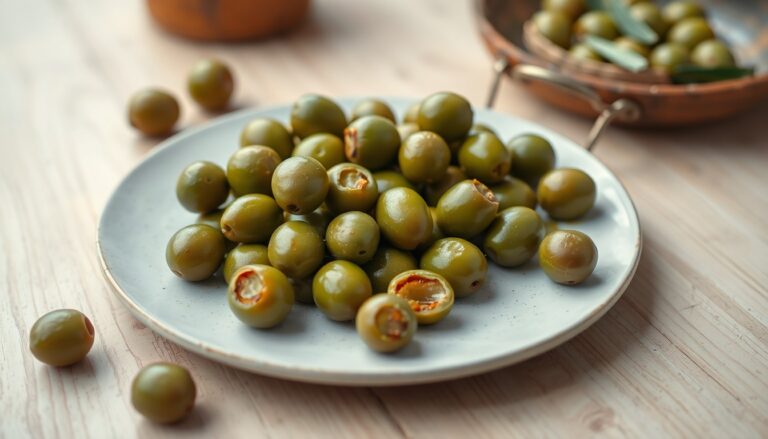
The green olive is the unripe fruit of the olive tree, picked before it matures and then debittered in brine. An emblem of Mediterranean cooking, it comes in many varieties: Picholine, Lucques, Manzanilla, Castelvetrano, as well as cracked and stuffed olives (pepper, almond, anchovy). At around 164 kcal per 100 g, it is moderately calorific and rich in healthy fats, especially monounsaturated fatty acids. It also provides fibre (3.6 g per 100 g) and little carbohydrate. More than just a nibble, the green olive earns its place in a balanced diet for its nutritional qualities and characteristic fruity flavour, as long as you keep an eye on its salt content.
Macronutrient breakdown
Nutrition table per 100 g
| Calories | 164 kcal |
| Kilojoules | 677 kJ |
| Protein | 1,2 g |
| Carbohydrate | 0,7 g |
| Fat | 16,6 g |
| Fibre | 3,6 g |
Micronutrients per 100 g
All measured nutrients, ranked by share of the daily reference intake.
- Vitamin K123,6 µg31 %
- Vitamin E3,3 mg28 %
- Copper0,14 mg14 %
- Omega-6 LA1,36 g14 %
- Calcium77,8 mg10 %
- Omega-3 ALA0,17 g9 %
- Total omega-30,19 g7 %
- Magnesium14,6 mg4 %
- Vitamin B9dietary folate equivalents0,85 µg
See the other 6 nutrients
- Vitamin C2,29 mg3 %
- Iron0,3 mg2 %
- Manganese0,04 mg2 %
- Potassium27,3 mg1 %
- Phosphorus7,08 mg1 %
- Vitamin A1,25 µg0 %
Anses Ciqual 2025. Source: Anses, 2025, Ciqual food composition table
Tips
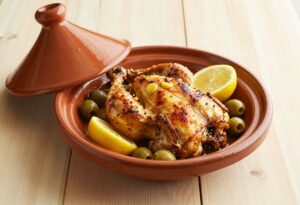
The green olive can be enjoyed in countless ways: plain with drinks, pitted in a mixed salad, blended into tapenade, added to a pizza, a savoury cake or a tagine. Its firm flesh and slightly bitter taste add character to slow-cooked dishes and cold preparations alike. In terms of nutrition facts, its fats are mostly monounsaturated fatty acids, the same as those in olive oil, while its fibre contributes to a feeling of fullness.
- Recommended portion: about ten olives (around 30 g) is enough to enjoy their flavour without too many calories.
- Watch out: the brine makes olives high in sodium. Rinse them or choose low-salt versions, especially if you are watching your blood pressure.
- Storage: once the jar is open, they keep for several weeks in the fridge in their brine.
For weight loss, the green olive is a good ally for a balanced aperitif: choose it over salted peanuts or crisps, which are higher in calories. Its calorie density is still notable because of the fat, so keep portions reasonable. You can find other tasty options in the nuts and seeds family, as well as the black olive, its riper and milder cousin.
Benefits and ways to use them: the green olive is a pillar of the Cretan diet, known for its balance of healthy fats, vegetables and wholegrain cereals. You can pair it with feta, sun-dried tomatoes, fresh basil or pine nuts for a Mediterranean touch. Also think of pasta with olives, salade niçoise or chicken with olives and preserved lemon.
For active people: the monounsaturated fatty acids in green olives provide lasting energy, useful outside intense sessions. As a snack, combine a few olives with raw vegetables or a piece of wholemeal bread for a filling savoury bite. Be careful with salt, though: during a period of heavy training, watch your hydration and moderate your intake of salty foods. To structure your eating around exercise, take inspiration from our advice on fitness nutrition. Eaten in moderation, the green olive adds flavour and healthy fats to your dishes without weighing down your overall calorie count.