Group · Dairy
Feta
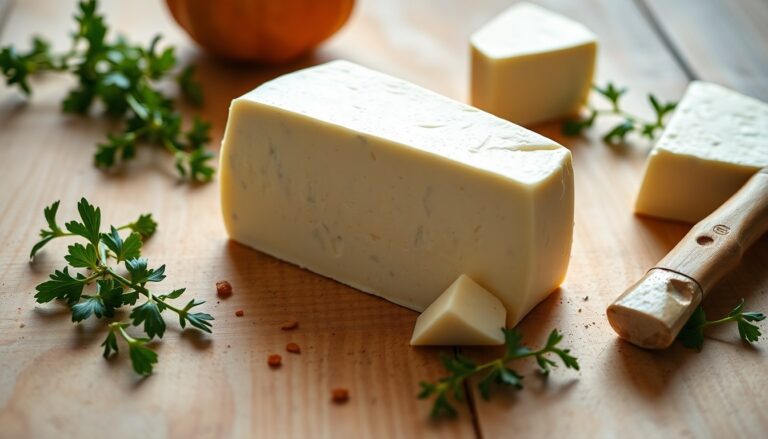
Feta is an emblematic cheese of Greek cuisine, traditionally made from sheep’s milk, sometimes with a little goat’s milk added. Recognisable by its crumbly texture, white colour and salty, slightly tangy taste, it is matured and stored in brine. Genuine feta has protected designation of origin status. In terms of nutrition facts, it provides around 284 kcal per 100 g, with 14.8 g of protein, 24.3 g of fat and only 0.45 g of carbohydrates. Rich in protein and calcium, it fits easily into a balanced diet, as long as you watch the portion because of its fat and salt content.
Macronutrient breakdown
Nutrition table per 100 g
| Calories | 284 kcal |
| Kilojoules | 1180 kJ |
| Protein | 14,8 g |
| Carbohydrate | 0,5 g |
| Fat | 24,3 g |
| Fibre | 0,2 g |
Micronutrients per 100 g
All measured nutrients, ranked by share of the daily reference intake.
- Iodine80 µg53 %
- Calcium220 mg28 %
- Phosphorus190 mg27 %
- Vitamin B120,53 µg21 %
- Vitamin B20,27 mg19 %
- Zinc1,2 mg12 %
- Vitamin B918,9 µg9 %
- Omega-3 ALA0,16 g8 %
See the other 13 nutrients
- Total omega-30,18 g7 %
- Vitamin K14,22 µg6 %
- Omega-6 LA0,56 g6 %
- Copper0,04 mg4 %
- EPA0,01 g4 %
- Vitamin E0,4 mg3 %
- Potassium66 mg3 %
- Magnesium12 mg3 %
- Vitamin B50,18 mg3 %
- Vitamin B10,02 mg1 %
- Vitamin B30,18 mg1 %
- Manganese0,02 mg1 %
- Iron0,08 mg1 %
Anses Ciqual 2025. Source: Anses, 2025, Ciqual food composition table
Tips
Feta can be enjoyed in countless ways, but its intense flavour means you can use a little for a lot of taste. Crumble it over a Greek salad with tomatoes, cucumber, red onion, olives and a drizzle of olive oil: this is the most classic and freshest way to eat it. You can also tuck it into a spinach pie, oven-roasted vegetables, an omelette or puff pastry parcels. Its texture withstands gentle cooking, which makes it soft without melting it completely.
For the portion, aim for around 30 g, about one small cube. At that amount, feta remains reasonable in calories while giving you useful protein and calcium. Keep in mind its high salt content from the brine: you can rinse it briefly in cold water to soften the taste and reduce sodium intake. Always store it in its liquid or in a homemade brine (salted water) in the fridge.
Nutritionally, feta contains no fibre but is rich in good-quality protein and fat. Its glycaemic index is very low because of its low carbohydrate content, which makes it compatible with slimming as long as you measure it out. If you are looking for a lower-fat option, turn to 0% fromage blanc or semi-skimmed milk ricotta, which are lighter. For a comparable Mediterranean profile, mozzarella offers a milder alternative.
- Active people: feta rounds out a recovery meal well by providing protein and calcium. Pair it with wholegrain starchy foods and vegetables for a balanced dish after exercise.
- As a snack, a few cubes with raw vegetables make a filling, low-sugar bite.
- Do not overdo it if you are watching your sodium or saturated fat intake.
Feta fits perfectly into the Cretan diet, rich in olive oil, vegetables and fresh produce. To compare its benefits and nutrients with other options, explore the dairy products family and their respective nutrition facts. Like any cheese, feta is to be enjoyed with pleasure and moderation: it is regularity and portion size that make all the difference in a balanced diet.
Pregnant? Feta made with pasteurised milk is permitted during pregnancy. See the rules in our guide to feta during pregnancy.
Recipes with feta

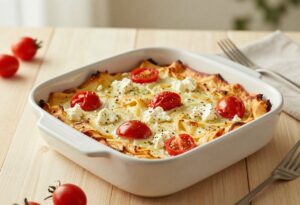
Guides about feta
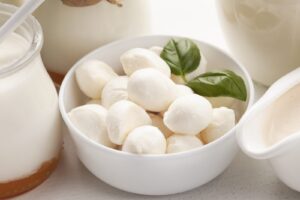
The 20 lowest-calorie cheeses (ranked by kcal per 100 g)

Cheese and diabetes: no sugar, but salt and fat
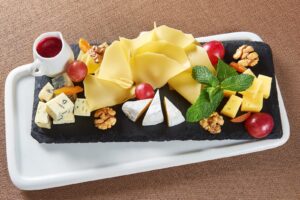
How much cheese a day? 30 g, and which to choose
