Group · Starchy foods
Sautéed potatoes
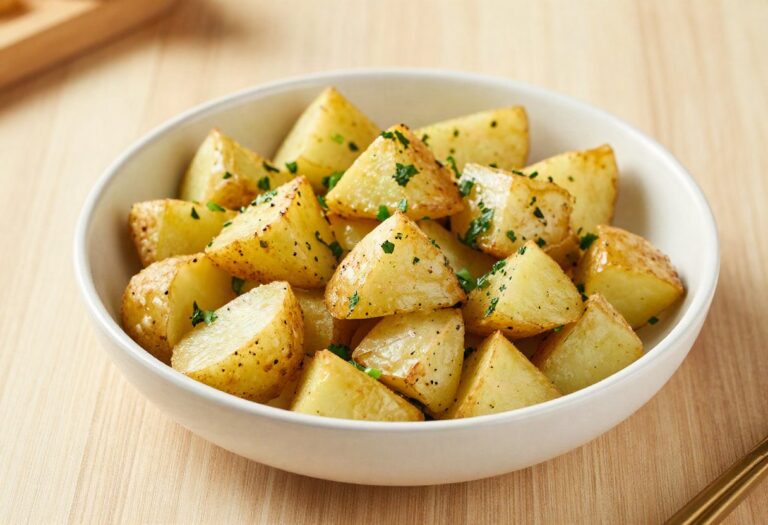
Sautéed potatoes are an indulgent dish of diced or quartered potatoes, browned in a pan in a little fat until they have a crisp crust and a soft centre. Often seasoned with garlic, parsley or thyme, they go with meat, fish and eggs. Nutritionally, they provide around 200 kcal per 100 g, complex carbohydrates (20.8 g), a little protein (2.44 g), fibre (2.33 g) and fat from cooking (11.4 g). Higher in calories than plain potato because of the frying, they remain a popular source of energy, to be included in moderation in a balanced diet.
Macronutrient breakdown
Nutrition table per 100 g
| Calories | 200 kcal |
| Kilojoules | 835 kJ |
| Protein | 2,5 g |
| Carbohydrate | 20,8 g |
| Fat | 11,4 g |
| Fibre | 2,4 g |
Tips
To enjoy sautéed potatoes without overdoing it, watch above all the amount of fat used and the portion size. Allow about 150 to 200 g cooked per person as a side. Cooking in a non-stick pan with a spoonful of olive oil limits calories while keeping the crispness you want.
- Choosing varieties: go for firm-fleshed varieties (Charlotte, Amandine, Ratte) that hold up well in the pan and do not fall apart.
- Texture tip: parboil the cubes for a few minutes in water or steam before browning them, which shortens the frying time and reduces fat absorption.
- Seasoning: garlic, shallot, fresh herbs, paprika or cumin are a good replacement for salt and add flavour.
- Storage: they reheat well in the oven or in a pan, but lose their crispness in the microwave.
In terms of nutrition facts, sautéed potatoes provide carbohydrates with a rather high glycaemic index, especially after prolonged cooking. They offer some potassium, vitamin C (sensitive to heat) and fibre, useful for fullness. Because their calorie density is higher than that of plain potato, it is better to keep them for a meal where fat intake is otherwise moderate.
For active people, these potatoes are a good source of carbohydrate to replenish glycogen stores after an intense session. Pair them with a source of protein (egg, chicken, fish) to optimise recovery. However, their fat content makes them less suitable just before exercise, because they take longer to digest. If you want a lighter option, turn to baked sweet potato or homemade mashed potato without too much butter.
If you are trying to slim down or follow a balanced diet, keep an eye on the cooking fat and serve your sautéed potatoes with vegetables to add volume to the dish without piling on calories. You can compare their intake with other starchy foods using the food calorie table to adjust your meals to your goals. Well prepared and sensibly portioned, they remain a simple pleasure compatible with a varied, balanced diet.