Group · Vegetables
Escarole
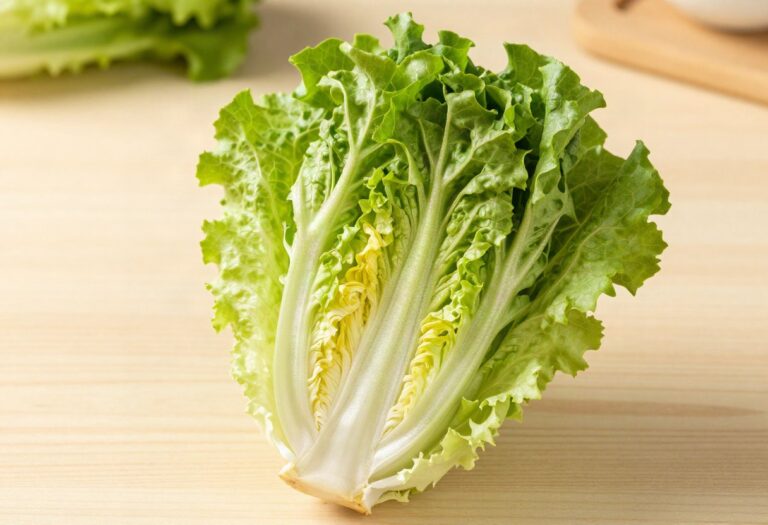
The escarole is a salad leaf from the large chicory family, recognisable by its broad, wavy, slightly crunchy leaves and its paler, more tender heart. A cousin of curly endive and chicory, it stands out for its gentle bitterness and good texture. It is mainly eaten raw in salads, but it also cooks very well, braised or in soup.
With only 20.5 kcal per 100 g, escarole is a very low-calorie leafy vegetable, rich in water and fibre (2.3 g). It provides minerals and vitamins while staying light, which makes it a valuable ally in a balanced, varied diet, in summer and autumn alike.
Macronutrient breakdown
Nutrition table per 100 g
| Calories | 21 kcal |
| Kilojoules | 86 kJ |
| Protein | 1,5 g |
| Carbohydrate | 2 g |
| Fat | 0,3 g |
| Fibre | 2,3 g |
Micronutrients per 100 g
All measured nutrients, ranked by share of the daily reference intake.
- Manganese0,42 mg21 %
- Potassium314 mg16 %
- Vitamin A125 µg16 %
- Vitamin B50,9 mg15 %
- Vitamin C11,5 mg14 %
- Copper0,1 mg10 %
- Vitamin B20,12 mg9 %
- Vitamin B10,08 mg7 %
- Vitamin B9dietary folate equivalents132 µg
See the other 11 nutrients
- Calcium53,7 mg7 %
- Zinc0,5 mg5 %
- Phosphorus30,3 mg4 %
- Magnesium14 mg4 %
- Iron0,38 mg3 %
- Vitamin B30,33 mg2 %
- Selenium0,6 µg1 %
- Vitamin B60,01 mg1 %
- Omega-6 LA0,08 g1 %
- Omega-3 ALA0,01 g1 %
- Iodine0,4 µg0 %
Anses Ciqual 2025. Source: Anses, 2025, Ciqual food composition table
Tips
The escarole is best enjoyed raw first, in a generous salad. Wash the leaves carefully, spin them dry, then dress with a light vinaigrette made with olive oil, a little garlic and a few walnuts. Its slight bitterness pairs very well with sweet ingredients (apple, grapes, beetroot) or savoury ones (bacon pieces, croutons, cheese). To soften its taste, mix it with a milder round lettuce or lamb’s lettuce.
As for nutritional values, escarole is a model of lightness: few calories, almost no fat (0.23 g), moderate carbohydrate (2 g) and a good amount of fibre. This fibre promotes fullness and healthy digestion, an asset if you are watching your figure. Its very low glycaemic index and high water content make it ideal for building big, filling plates without adding to the energy total.
- Seasonality: it is found mainly from late summer through autumn and winter, depending on the variety.
- Storage: keep it in the fridge wrapped in a damp cloth and eat it within 3 to 4 days.
- Cooking: braised in a pan, in a soup or added at the end of cooking to a soup, it develops a milder flavour.
To preserve its vitamins, choose gentle cooking for a short time. You can also combine it with other leafy vegetables such as watercress or rocket to vary flavours and nutrients. Find all the salads and leafy vegetables in the vegetables family.
For active people: escarole is not a source of energy or protein, but it complements a recovery meal perfectly. Voluminous and hydrating, it goes with a portion of protein (chicken, fish, eggs) and starchy foods to replenish your reserves after exercise, while providing fibre and micronutrients. Just remember to go easy on the dressing, because it is often the oil, not the salad, that pushes up the calories on your plate.
In short, escarole is a smart vegetable: low in calories, rich in fibre and versatile. Include it regularly, raw or cooked, in a varied diet to enjoy its benefits without monotony.