Group · Meat
Roast turkey
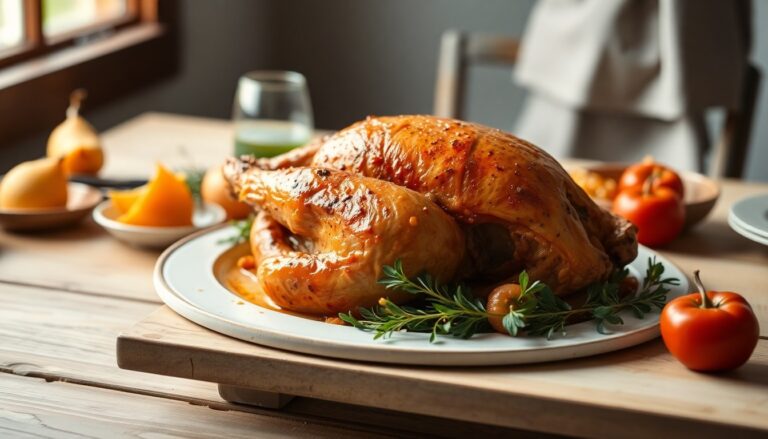
Roast turkey is an emblematic poultry meat, appreciated for its tender flesh and light nutritional profile. Cooked in the oven, sometimes after a marinade or seasoning with herbs, it comes in several cuts: the breast (fillet, escalope), the tastier and slightly fattier thigh, or the whole bird for special occasions. With around 151 kcal per 100 g, nearly 29.1 g of protein and only 3.84 g of fat, with no carbohydrate or fibre, it is among the most interesting lean meats. Rich in high-quality protein, it easily finds a place in a balanced diet, whether you are watching your weight or looking to vary your daily protein intake.
Macronutrient breakdown
Nutrition table per 100 g
| Calories | 151 kcal |
| Kilojoules | 636 kJ |
| Protein | 29,1 g |
| Fat | 3,9 g |
Micronutrients per 100 g
All measured nutrients, ranked by share of the daily reference intake.
- Vitamin B39,5 mg59 %
- Vitamin B60,64 mg46 %
- Vitamin B120,94 µg38 %
- Zinc3,75 mg38 %
- Phosphorus222 mg32 %
- Potassium483 mg24 %
- Vitamin B20,28 mg20 %
- Vitamin B50,95 mg16 %
See the other 16 nutrients
- Magnesium44,3 mg12 %
- Copper0,09 mg9 %
- Omega-6 LA0,86 g9 %
- Iron1,14 mg8 %
- Vitamin D0,3 µg6 %
- Vitamin B99 µg5 %
- Vitamin B10,05 mg4 %
- Iodine6 µg4 %
- EPA0,01 g3 %
- Total omega-30,06 g2 %
- Omega-3 ALA0,04 g2 %
- DHA0 g2 %
- Calcium9,66 mg1 %
- Manganese0,02 mg1 %
- Vitamin A4 µg1 %
- Vitamin E0,06 mg1 %
Anses Ciqual 2025. Source: Anses, 2025, Ciqual food composition table
Tips
Roast turkey is a valuable ally in the kitchen thanks to its versatility. Allow a portion of 100 to 150 g per meal, served with green vegetables and a source of wholegrain starchy foods for a complete plate. The breast, which is very lean, is best seared and then roasted gently to stay moist; the thigh, which is more flavoursome, withstands longer cooking. Avoid drowning the meat in fatty sauces or breadcrumb coatings, which push up the calorie intake with no nutritional benefit.
Nutrition facts and benefits: with nearly 29.1 g of protein per 100 g and no carbohydrate, roast turkey offers an excellent protein-to-calorie ratio. It provides complete protein (containing all the essential amino acids), B vitamins (notably B3 and B6), selenium, zinc and phosphorus. Its glycaemic index is zero, which makes it an asset for keeping blood sugar steady during a meal.
- Storage: keep cooked turkey for 2 to 3 days in the fridge in an airtight container, or freeze it in portions.
- Pairings: fresh herbs (thyme, rosemary), lemon, roasted vegetables, quinoa or sweet potato.
- Cooking methods: the oven, ideally without too much added fat. Gentle cooking preserves tenderness and nutrients.
For active people: roast turkey is a classic for both bulking and cutting. Its high protein density supports muscle recovery after exercise, while its low fat content makes it ideal during a definition phase. Include it in a post-workout meal with complex carbohydrates to restock glycogen. If you are looking for other protein-rich ideas, take a look at chicken breast or turkey breast, just as practical for varying your animal sources. To top up, protein snack ideas can help you spread your intake across the day.
Weight control: roast turkey remains one of the lowest-calorie meats, as long as you limit fatty additions (butter, creamy sauces) and the skin, which is higher in fat. To compare its energy content with other foods, see the calorie table. You will also find plenty of alternatives in the meat family, to put together varied, balanced menus without monotony.