Group · Dairy
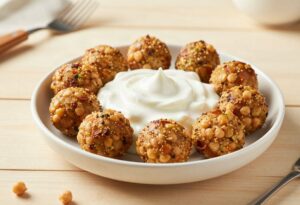
Plain yoghurt
Plain yoghurt is a great classic of dairy products, made by fermenting milk with specific lactic cultures (Lactobacillus bulgaricus and Streptococcus thermophilus). With no added sugar or flavouring, it has a creamy texture and a slightly tangy taste that is enjoyed every day. It comes in different forms: set, smooth, made with whole milk or low-fat. With only 72.9 kcal per 100 g, it combines good-quality protein (3.62 g), carbohydrate (7.98 g, mostly lactose) and little fat (2.6 g). A source of calcium and probiotics, it fits easily into a balanced diet, whether you are watching your weight or looking for a simple, filling snack.

Macronutrient breakdown
Nutrition table per 100 g
| Calories | 73 kcal |
| Kilojoules | 307 kJ |
| Protein | 3,7 g |
| Carbohydrate | 8 g |
| Fat | 2,6 g |
| Fibre | 0,2 g |
Micronutrients per 100 g
All measured nutrients, ranked by share of the daily reference intake.
- Iodine28 µg19 %
- Calcium132 mg17 %
- Vitamin B20,2 mg14 %
- Phosphorus94,6 mg14 %
- Potassium167 mg8 %
- Selenium3,67 µg7 %
- Vitamin B120,15 µg6 %
- Vitamin B50,35 mg6 %
- Vitamin B9dietary folate equivalents8,37 µg
See the other 17 nutrients
- EPA0,01 g4 %
- Zinc0,4 mg4 %
- Vitamin A27,9 µg3 %
- Magnesium11,5 mg3 %
- Vitamin B60,04 mg3 %
- Vitamin D0,13 µg3 %
- Vitamin B10,02 mg2 %
- Total omega-30,05 g2 %
- Vitamin C1,3 mg2 %
- Manganese0,03 mg1 %
- Copper0,01 mg1 %
- Omega-3 ALA0,02 g1 %
- Iron0,11 mg1 %
- Vitamin E0,08 mg1 %
- Vitamin K10,41 µg1 %
- Omega-6 LA0,05 g0 %
- Vitamin B30,05 mg0 %
Anses Ciqual 2025. Source: Anses, 2025, Ciqual food composition table
Tips
Versatile and inexpensive, plain yoghurt can be eaten at breakfast, as a snack or for dessert. Count one 125 g pot as the reference portion. To vary things without adding to the calorie bill, add fresh fruit, a spoonful of oat flakes, chia seeds or a drizzle of honey rather than buying sweetened shop-bought versions. It is also a good replacement for cream in cold sauces, marinades and light vinaigrettes.
In terms of nutrition facts, plain yoghurt provides protein, calcium, phosphorus and B vitamins. The live cultures make it a fermented food valued for digestive comfort. Its glycaemic index is moderate and it keeps you full for longer, two assets if you are trying to lose weight. If you want something even lighter, go for low-fat plain yoghurt or fat-free fromage blanc, which is higher in protein for fewer calories.
- Storage: keep it in the fridge at between 4 and 6 °C and respect the date shown to preserve the cultures.
- Cooking: stir it in off the heat or at the end of preparation to stop it from splitting.
- Clever pairings: red berries, cinnamon, lemon zest, homemade muesli.
For athletes, plain yoghurt is a practical recovery snack: its protein helps maintain muscle, while its carbohydrate helps to replenish stores after exercise. Mixed with a banana and a handful of flakes, it makes a simple, easily digested protein snack. You can also take inspiration from the ideas in fitness nutrition to include it in your training days, possibly alongside a shaker.
For weight control, plain yoghurt remains an ally of choice thanks to its low calorie density. The thing to watch is mainly the additions: too much sugar, granola or coulis quickly turns a light dessert into a high-calorie option. Choose natural, sensible toppings. Plain yoghurt naturally belongs in the dairy products family, and you can compare its figures with other foods using the calorie table to adjust your menus to your goals.
Recipes with plain yoghurt
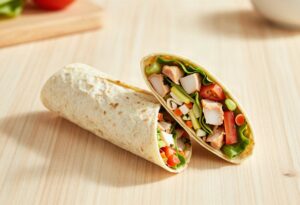
Chicken and raw vegetable wrap
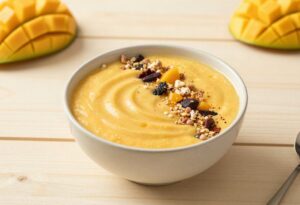
Mango smoothie bowl
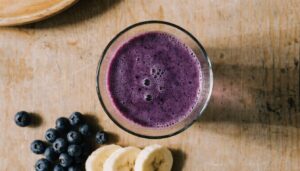
Banana and blueberry smoothie

Light Caesar salad
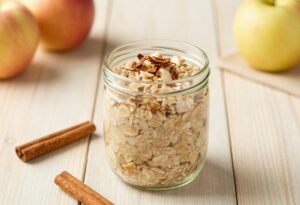
Apple and cinnamon overnight oats

Chocolate banana overnight oats

Oat and blueberry muffins

Healthy chocolate-vanilla marble cake
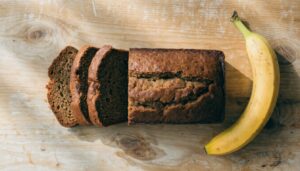
Healthy banana bread (no refined sugar)

Beef koftas with yoghurt sauce