Group · Starchy foods
Wholewheat spaghetti
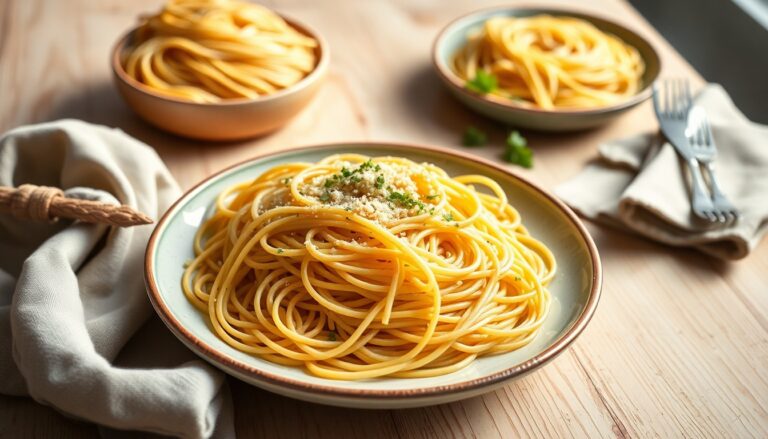
Wholewheat spaghetti is a long pasta made from wholemeal wheat flour, which keeps the bran and germ of the grain. This wholegrain version stands out from refined pasta with its darker colour, slightly more rustic taste and richness in fibre. Once cooked, it provides around 179 kcal per 100 g, with 7.88 g of protein, 31.3 g of carbohydrates and only 1.4 g of fat. A source of complex carbohydrates and fibre, it naturally has a place in a balanced diet. Versatile, it goes with tomato sauces, vegetables or sources of protein, and appeals as much to active people as to those who pay attention to their nutrition facts.
Macronutrient breakdown
Nutrition table per 100 g
| Calories | 179 kcal |
| Kilojoules | 758 kJ |
| Protein | 7,9 g |
| Carbohydrate | 31,3 g |
| Fat | 1,4 g |
| Fibre | 5,1 g |
Micronutrients per 100 g
All measured nutrients, ranked by share of the daily reference intake.
- Manganese1,2 mg60 %
- Copper0,27 mg27 %
- Phosphorus131 mg19 %
- Selenium9,9 µg18 %
- Zinc1,4 mg14 %
- Magnesium45,8 mg12 %
- Iron1,5 mg11 %
- Vitamin B10,1 mg9 %
See the other 11 nutrients
- Omega-6 LA0,61 g6 %
- Potassium98,7 mg5 %
- Calcium25,1 mg3 %
- Vitamin B60,04 mg3 %
- Omega-3 ALA0,05 g3 %
- Vitamin B50,16 mg3 %
- Vitamin B94,3 µg2 %
- Vitamin B30,23 mg1 %
- Vitamin E0,15 mg1 %
- Vitamin B120,02 µg1 %
- Vitamin A1,25 µg0 %
Anses Ciqual 2025. Source: Anses, 2025, Ciqual food composition table
Tips
To get the full benefits of wholewheat spaghetti, take care over the cooking and the accompaniments. Cooking it al dente (1 to 2 minutes less than the stated time) limits the rise in glycaemic index: the carbohydrates are then released more gradually. A reasonable portion is around 60 to 80 g of dry pasta, or about 180 to 200 g once cooked.
- Smart pairings: combine it with seasonal vegetables, a drizzle of olive oil, garlic and herbs. For a complete dish, add a source of protein such as fish, chicken or pulses.
- Cooking: salt the water moderately and avoid rinsing the pasta too much so it keeps its texture. Prefer gentle cooking for the accompaniments to preserve nutrients.
- Storage: cooked spaghetti keeps for 2 to 3 days in the fridge, perfect for healthy batch cooking.
In terms of nutrition, the major advantage of wholewheat spaghetti is its fibre content (about 5.1 g per 100 g cooked), higher than that of standard spaghetti. This fibre contributes to fullness and better digestive comfort. It also contains B vitamins and minerals such as magnesium and iron, which are more present in the whole grain than in refined versions. If you like wholegrain variants, also discover wholewheat macaroni or explore the whole family of starchy foods.
For active people, wholewheat spaghetti is an excellent fuel. A meal rich in complex carbohydrates 2 to 3 hours before exercise helps build up glycogen stores, essential for endurance. After training, it contributes to recovery by replenishing those stores, especially combined with a portion of protein. To go further on organising meals around activity, see our advice on nutrition for fitness.
Weight control: although cooked wholewheat spaghetti is low in calories, it is often the accompaniment (fatty sauces, cheese, cured meats) that weighs down the dish. Go for sauces based on tomato, vegetables and spices, and keep a portion suited to your activity. Rich in fibre and with a moderate glycaemic index, it is an interesting choice as part of a balanced diet. Also vary your sources of starchy food by including quinoa or brown rice to diversify your intake.