Group · Condiments & sauces
Baking powder
Baking powder is not a yeast: no living organism is involved. It is a blend of sodium bicarbonate, an acid (often a phosphate or cream of tartar) and a starch that stops the reaction from starting in the sachet. On contact with water and heat, it releases carbon dioxide.
On nutrition facts, the entry shows 108 kcal per 100 g and 26.9 g of carbohydrate. Its mineral figures look spectacular (6,620 mg of calcium and 6,050 mg of phosphorus per 100 g), but these are chemical salts, not a nutritional intake, as the next paragraph explains.

Macronutrient breakdown
Nutrition table per 100 g
| Calories | 108 kcal |
| Kilojoules | 461 kJ |
| Protein | 0,1 g |
| Carbohydrate | 26,9 g |
| Fibre | 0,2 g |
Micronutrients per 100 g
All measured nutrients, ranked by share of the daily reference intake.
- Phosphorus6050 mg864 %
- Calcium6620 mg828 %
- Iron11,1 mg79 %
- Magnesium33 mg9 %
- Copper0,01 mg1 %
- Manganese0,01 mg1 %
- Potassium12,5 mg1 %
- Zinc0,02 mg0 %
Anses Ciqual 2025. Source: Anses, 2025, Ciqual food composition table
Tips
Never count these minerals as an intake. The calcium and phosphorus shown are those of the phosphates in the formulation. And above all: a sachet weighs 11 g and raises a whole cake, which is less than a gram per slice. The food provides nothing, in either direction.
Sodium, however, deserves a mention. 9,250 mg per 100 g, because sodium bicarbonate is its main component. Here again, the amount per slice remains small; but people on a strictly low-sodium diet know this, and there are sodium-free raising powders based on potassium bicarbonate.
It acts twice. Modern baking powders are « double acting »: once on contact with the liquid, and a second time in the heat of the oven. That is why a batter should not wait too long before going into the oven: some of the gas has already escaped.
Do not force the dose. One 11 g sachet for about 500 g of flour. Beyond that, the cake rises quickly, collapses, and takes on a characteristic metallic taste. It is the most common mistake in home baking.
It expires. An opened or old sachet loses its raising power. A ten-second test: a spoonful in a glass of hot water should fizz vigorously. If not, it will not make anything rise.
Sources
Average nutrition values per 100 g, given for guidance (may vary by brand and preparation).
Recipes with baking powder
Voir les 14 recettes →
High-protein blueberry pancakes

Protein banana pancakes
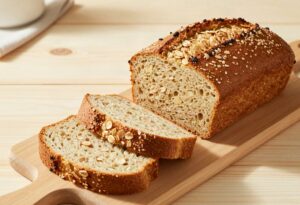
High-protein bread with oats and skyr

Chocolate protein mug cake

High-protein raspberry muffins

Oat and blueberry muffins

High-protein waffles

Healthy banana oat waffles

Butter-free chocolate almond cookies

Healthy carrot cake
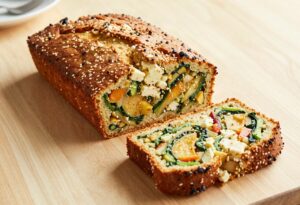
Vegetable and feta savoury cake