Becoming Vegetarian: A Beginner’s Guide

Whether it is down to ethical conviction, your health or the environment, becoming vegetarian appeals to more and more people. Industrial livestock farming contributes massively to greenhouse gas emissions, while growing pulses uses up to ten times less water. Yet changing your eating habits often raises legitimate worries about nutritional balance or how complicated meals will become. Done well, a vegetarian diet is perfectly balanced and beneficial. Poorly planned, it can expose you to a few avoidable deficiencies.
This practical guide explains how to become vegetarian gently, with concrete methods to balance your intakes and vary your menus. We will go through the essential habits that will help you make the transition last, and enjoy it.
- Understanding the basics so you can become vegetarian with confidence
- The 5 protein sources that replace meat effectively
- Nutrients to watch to protect your health
- How to make the change without frustration
- Practical tips for eating out and with others
- Store-cupboard ingredients for quick cooking
Understanding the basics so you can become vegetarian with confidence
A successful transition rests on three pillars: combining pulses and cereals, taking a B12 supplement and a gradual, flexitarian approach to protect your health in the long term.
Vegetarian, vegan or flexitarian: making the right choice
A vegetarian excludes animal flesh (meat and fish) but keeps eggs and dairy products. A vegan excludes every animal product, including honey. Veganism is a whole lifestyle that rejects all animal exploitation.
Flexitarianism means deliberately reducing your meat consumption. It is the ideal safety net for starting gently. You try new recipes without pressure and find your own balance.
Choose according to your ethics or your health. Assess your real daily needs. Pick the diet that respects your own rhythm and personal values.

Why change your diet in 2026?
This change supports your cardiovascular health. Less saturated fat lowers the risk of chronic disease. Your body gains vitality and feels lighter very quickly.
The ecological impact is also a major driver. Growing plants uses ten times less water than livestock farming. You drastically cut your personal carbon footprint every single day.
The ethical dimension is directly about animal welfare. Refusing animal suffering is a powerful motivation. It gives your plate a deeper meaning. You take concrete action to protect living things.
👉 Free tool: Calorie deficit: calculate it in 30 seconds, no sign-up needed.
The 5 protein sources that replace meat effectively
Contrary to the myth, it is easy to meet your protein needs without meat. The key is choosing the right sources and combining them to keep your energy up.
Pairing pulses with wholegrain cereals
To get complete protein, combine these foods:
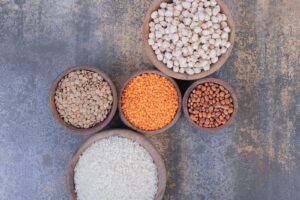
- Rice and lentils
- Semolina and chickpeas
- Sweetcorn and kidney beans
Your body needs all the essential nutrients. Cereals complement pulses perfectly thanks to the complementarity of their amino acids. It is a simple golden rule of nutrition. You thus get a balanced intake without any animal flesh.
A closer look at quinoa and beans. These foods are versatile in the kitchen. Use them in salads or spicy stews to vary your daily menus easily.
Tofu, tempeh and eggs for a variety of textures
Soya is a major option. Tofu is an incredible neutral base. It absorbs all the flavours of your favourite marinades as it cooks.
Tempeh has a unique nutty taste. Its fermentation makes it much easier to digest. It is a firm, protein-rich alternative. Dare to grill it with a little soy sauce to make it crispy.
Eggs play a key role for vegetarians. They provide protein of high biological value. They are a practical, quick fallback for rushed meals.
Nutrients to watch to protect your health
Replacing meat is a good start, but paying attention to certain specific micronutrients safeguards your long-term health.
Managing vitamin B12 and iron
B12 supplementation is essential, especially for vegans. It prevents serious neurological problems. Never neglect this crucial point.
Discover the sources of plant-based iron to vary your intakes:
- Lentils
- Sesame
- Spinach
- Pumpkin seeds
- Molasses
Improve iron absorption easily. Always add a source of vitamin C. A squeeze of lemon over your vegetables makes all the difference.
Calcium, zinc and omega-3 intakes
Calcium is found everywhere. Favour green vegetables and mineral waters. Almonds are also excellent daily allies.
| Nutrient | Main plant source | Key role |
|---|---|---|
| Zinc | Pumpkin seeds | Immunity |
| Omega-3 | Walnuts and flaxseed | Brain health |
| Calcium | Broccoli | Bone strength |
| B12 | Supplement | Nervous system |
A closer look at omega-3. Flaxseeds and chia seeds are essential. Eat them ground to release all their benefits. Read our complete guide to plant proteins and how to combine them.
Cooking techniques to optimise nutrient absorption
Soaking pulses is vital. It removes the antinutrients that block minerals. Your gut will thank you for this simple step.
Sprouting multiplies vitamins. It is a real burst of life on the plate. Sprouted seeds decorate and nourish healthily. Try fenugreek or lentils.
Natural fermentation turns simple foods into superfoods, boosting the bioavailability of minerals and the health of your microbiome.
How to make the change without frustration
The nutritional theory is covered; now let us move on to practice so that this change stays a daily pleasure.
Taking a gradual approach and listening to yourself
There is no need to change everything overnight. Start with a few vegetarian meals a week: the « meat-free Monday » idea is an excellent way in. This gentle method avoids the feeling of sudden deprivation.
Listen to your hunger cues. Your body is adapting to more fibre. Be kind to yourself during this process. Enjoyment should remain your main compass.
Replace rather than remove. Find equivalents that genuinely satisfy you. Culinary curiosity is your best ally here.
Adapting family dishes into plant-based versions
Transform your classics without fear. A lentil shepherd’s pie is delicious. Vegetable lasagne will quickly win over the whole family.
Alternatives for home baking. Use apple purée to replace eggs. Oat milk brings an incomparable sweetness. Your cakes will stay moist and tasty.
Explore new flavours (curries, pulses, spices) and replace gradually. Variety is the best guarantee that the change will last.
Practical tips for eating out and with others
The challenge is not limited to your kitchen, it also extends to your social interactions and outings.
Organising outings and meals at friends’ and family’s homes
Communicate with diplomacy and clarity. Tell your hosts in advance without demanding anything. Offer to bring a tasty dish to share to make organising the meal easier.
At a restaurant, look closely at the side dishes. Many dishes are easily adapted by leaving out the meat. Do not hesitate to ask the waiter questions. Chefs often enjoy taking up this culinary challenge to please you.
Stay calm in the face of criticism. Your choice is personal and deserves respect. Humour often defuses slightly tense moments at family or friends’ dinners.
Reading labels to spot hidden ingredients
Learn to decode labels. Gelatine hides in yoghurts and mousses. Carmine, or E120, is a red colouring made from crushed insects.
Beware of ultra-processed products. They often contain dairy derivatives or unnecessary animal rennet. Favour short, understandable ingredient lists. Your health will benefit as much as your ethical convictions.
Favour whole, unprocessed foods. It is the guarantee of a diet with no animal surprises. Cooking for yourself remains the safest solution to fully control your new diet.
Store-cupboard ingredients for quick cooking
To stick with it in the long run, your kitchen should be equipped to cope with any emergency or lack of time.
Dry staples and raw products to stock
Stock red lentils and rice. They are bases ready in ten minutes. Wholewheat pasta saves your rushed evenings.
Here are the essentials for your stores:
- Almond butter and other nut butters
- Tinned chickpeas and beans
- Coconut milk and chopped tomatoes
- Nutritional yeast for an umami flavour
Nuts are your best friends. They enrich your sauces in no time. Always keep walnuts and hazelnuts within reach.
Using herbs and spices to lift simple flavours
Spices transform an ordinary dish. Turmeric and cumin are essential. They bring warmth and depth to your vegetables.
Fresh herbs wake up the taste buds. Parsley and coriander are fantastic. Use them generously at the end of cooking. This adds an indispensable touch of freshness.
The art of seasoning is the secret of happy vegetarians: a simple pinch of smoked salt or chilli can transform a forgotten vegetable into a feast.
Tasty vegetarian recipes
To round off your gentle transition, treat yourself to a chickpea curry, a Buddha bowl or some baked falafels. Explore all our vegetarian and vegan recipes.
Adopting a lasting plant-based diet relies on gradual change, a variety of proteins and vigilance over vitamin B12. By learning how to become vegetarian at your own pace, you protect your health and the environment from today. Start this change now for radiant vitality and a more ethical future.

FAQ
What is the difference between a vegetarian, vegan and flexitarian diet?
A vegetarian diet excludes animal flesh (meat and fish) but generally allows eggs and dairy products. By contrast, veganism bans every product of animal origin, including honey. Flexitarianism, for its part, is a voluntary, flexible reduction in meat consumption without eliminating it completely from your daily life.
How can you replace meat to meet your protein needs?
You can easily meet your protein needs by relying on pulses such as lentils and chickpeas, or on soya products such as tofu and tempeh. Eggs are also a source of protein of high biological value. To get complete protein, it is advisable to combine cereals and pulses, such as rice with lentils or semolina with chickpeas.
Which essential nutrients should you watch when going vegetarian?
It is vital to monitor your vitamin B12 intake, as supplementation is essential for vegans and strongly recommended for vegetarians. You also need to pay particular attention to iron, zinc, calcium and omega-3. To optimise the absorption of plant-based iron, make sure you eat a source of vitamin C at the same time, such as a squeeze of lemon over your vegetables.
What are the steps to becoming vegetarian without frustration?
To make the transition a success, it is advisable to take a gradual approach, starting by including a few vegetarian meals a week, such as the « meat-free Monday » idea. You can gradually replace the meat in your classic family dishes, for example by cooking a lentil shepherd’s pie. Exploring new flavours and eating a varied diet are the keys to sustaining this lifestyle in the long term.
How do you handle meals at restaurants or at friends’ and family’s homes?
When you go out, do not hesitate to read the menu to spot side dishes or to ask the waiter questions, as many dishes can be adapted. If you are invited to friends’ or family’s homes, explain your eating habits clearly in advance and offer to bring a tasty vegetarian dish to share. Planning ahead and diplomacy let you enjoy these social occasions calmly.
Why is it important to read the labels of processed products carefully?
Reading labels is essential to spot hidden ingredients of animal origin, such as gelatine in some yoghurts or carmine, a colouring made from insects. Favour products with a short, understandable ingredient list. For greater peace of mind and better health, choosing whole foods and cooking for yourself remains the most reliable solution.
This article is for information only and does not replace the advice of a healthcare professional. If you have any doubt, suspect a deficiency or have a medical condition, ask your doctor for advice.