Diverticula: causes, symptoms and prevention

Might you have a diverticulum, an irregular pouch in the colon often linked to diverticulosis or diverticulitis? Did you know these abnormalities affect 50% of people over 50, yet often stay silent? Find out how they form (pressure in the bowel, a diet low in fibre), the worrying symptoms (sharp pain on the left side of the abdomen, fever, changes in bowel habits) and the keys to avoiding complications. A suitable lifestyle, rich in vegetables, wholegrain cereals and physical activity, can reduce the risks. Understanding these digestive conditions is essential to act before inflammation sets in.
👉 Free tool: BMI calculator: calculate it in 30 seconds, no sign-up needed.
- What is a diverticulum, and how does it differ from diverticulosis and diverticulitis?
- The causes: why and how do diverticula form?
- Symptoms of diverticulitis: how do you recognise a flare-up?
- Risk factors and complications of diverticulitis
- Prevention and diet: the keys to living comfortably with diverticula
- What should you remember about diverticula and diverticulitis?
What is a diverticulum, and how does it differ from diverticulosis and diverticulitis?
Definition: a diverticulum, a small hernia of the bowel
A diverticulum looks like a small irregular pouch that forms in the wall of the colon. Imagine a bicycle inner tube that swells too much, creating a bulge where the tyre is weak. This hernia appears when the pressure inside the colon pushes the lining through weak spots in the muscular wall, often close to blood vessels. It is common after 50, affecting more than 30% of people over 60, most often in the sigmoid colon and the left colon.
Diverticula, diverticulosis, diverticulitis: don’t mix them up
Diverticulosis describes the presence of several diverticula in the colon. It affects more than 30% of people over 60, but often stays silent, with no symptoms. Diverticulitis, on the other hand, occurs when a diverticulum becomes inflamed or infected. This immune system reaction can cause intense abdominal pain, nausea, sudden changes in bowel habits (constipation or diarrhoea) and even a mild fever. In short: diverticulosis is a benign structural abnormality, whereas diverticulitis is an inflammatory complication that needs medical follow-up. Did you know that around 25% of people with diverticulosis will develop diverticulitis during their lifetime?
The causes: why and how do diverticula form?
The role of pressure in the colon
Diverticula arise from excessive, prolonged pressure in the colon. This pressure pushes the lining through the weak points of the muscular wall, particularly where blood vessels pass through. They often develop in the sigmoid colon, the lower left part of the large intestine. The process unfolds over years, helped along by the weakening of the bowel wall with age. After 40, the gradual thickening of the bowel’s muscle layer increases this pressure.
Diet and lifestyle: the main culprits
A diet low in fibre is the main factor. Soluble fibre (cooked vegetables, oats, fruit such as apples) softens stools, while insoluble fibre (wheat bran, pulses) adds bulk. Without it, stools harden, forcing the colon to contract harder. A sedentary lifestyle, obesity, smoking and excessive alcohol consumption increase the risk by disrupting the microbiota. A diet rich in red meat or ultra-processed foods speeds up their formation.
From diverticulosis to diverticulitis: the trigger
Diverticulosis, very common after 50, often causes no symptoms. It turns into something more serious when faecal matter or food residue builds up in the diverticula. These deposits irritate the wall and trigger inflammation (diverticulitis), sometimes with a bacterial infection. Although 15% of cases lead to serious complications (abscess, perforation), most escape lasting effects. Medical follow-up is advised to avoid recurrences, along with adequate hydration and a balanced diet.
Symptoms of diverticulitis: how do you recognise a flare-up?
Abdominal pain, the main symptom
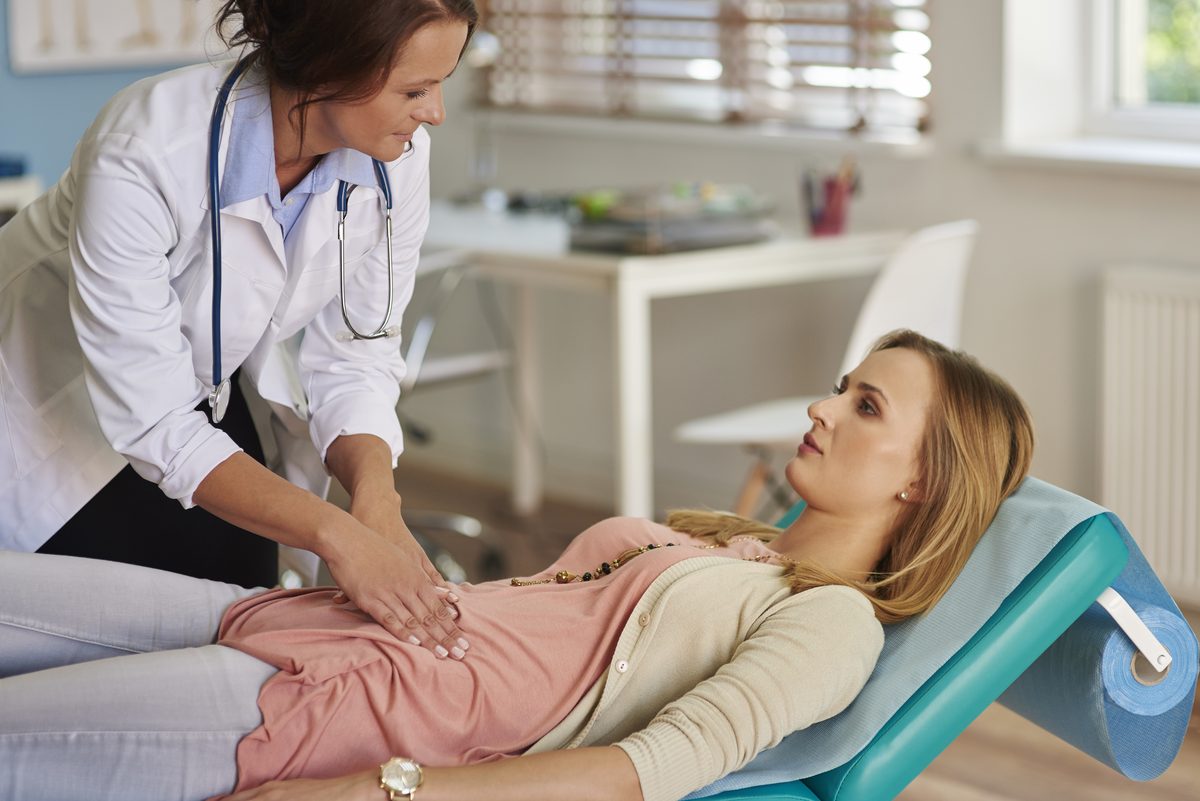
Abdominal pain is the most common sign, affecting 90% of patients. It is concentrated in the lower left part of the abdomen, often described as intense pressure or sharp pain. It can come on suddenly or build up gradually, sometimes lasting several hours. Touching this area causes sharp pain, and it may be accompanied by bloating or an unusual feeling of fullness.
Other warning signs
Besides pain, other symptoms deserve immediate attention:
- Nausea or vomiting, linked to inflammation near the colon
- Fever (often moderate) with chills, a sign of infection
- Abdomen tender to the touch, sometimes rigid
- Constipation (more common than diarrhoea), caused by inflammation slowing transit
A combination of these symptoms, especially if they appear together, increases the risk of complications such as an abscess or perforation.
When should you see a doctor?
Don’t delay seeing a doctor if you have persistent pain in the lower abdomen, especially if it comes with a fever or changes in bowel habits.
It is essential to see a doctor if you have constant, unexplained abdominal pain, especially if it comes with a fever and noticeable changes in your bowel habits.
You need urgent medical attention if you notice a high fever, persistent vomiting, blood in your stools or unbearable pain. These signs can point to serious complications (15 to 25% of cases), such as an abscess or perforation, which need immediate treatment to avoid peritonitis.
Risk factors and complications of diverticulitis
Who is most at risk?
- Age: the risk rises after 50, with higher prevalence after 70. The bowel walls weaken with age, making it easier for diverticula to form.
- Obesity: being significantly overweight increases abdominal pressure, which forces the colon to work harder to pass stools, creating weak spots.
- Smoking and excessive alcohol consumption disrupt the digestive system by reducing the blood supply to tissues and weakening the bowel wall.
- A sedentary lifestyle: lack of exercise slows bowel transit, increasing pressure in the colon and promoting constipation.
- Certain medicines: steroids, opioids or NSAIDs such as ibuprofen, which can irritate the bowel lining or reduce gut motility.
- A low vitamin D level, linked to chronic inflammation and impaired local immune defences.
Diverticula and stress: what is the link?
Stress is not a direct cause, but it disrupts the digestive system by activating the « fight or flight » response, diverting blood to the muscles and brain. This worsens constipation or bloating, increasing pressure in the colon. Although the evidence is limited, studies suggest that practices such as meditation or yoga reduce inflammatory episodes by improving gut motility and limiting the hormonal imbalances linked to stress.
Summary table: diverticulosis vs. diverticulitis
| Feature | Diverticulosis | Diverticulitis |
|---|---|---|
| Definition | Presence of pouches in the colon. | Inflammation or infection of the pouches. |
| Symptoms | Most often no symptoms. | Abdominal pain, fever, nausea. |
| Severity | Benign. | Risk of complications. |
| Management | Prevention with fibre. | Antibiotics or surgery. |
Possible complications of diverticulitis
Around 15% of cases lead to serious complications, often linked to perforation of the diverticula:
- Abscess: a pocket of pus drained after antibiotics, sometimes needing surgery.
- Peritonitis: a life-threatening emergency after a diverticulum ruptures, with a risk of sepsis.
- Fistula: an abnormal passage between the colon and another organ (bladder, vagina), causing recurrent infections.
- Bowel obstruction: partial or complete blockage of the colon, causing vomiting and intense pain.
- Haemorrhage: sudden bleeding, often due to a burst blood vessel, needing endoscopy or surgery.
These complications need urgent treatment. A diet rich in fibre (wholegrain cereals, vegetables) and stopping smoking reduce the risks. Adequate hydration and regular physical activity (walking, swimming) complete effective prevention.
Prevention and diet: the keys to living comfortably with diverticula
Adopt a preventive lifestyle
Regular physical activity (walking, yoga) stimulates transit by encouraging natural bowel movements. Maintain a healthy weight to reduce pressure on the colon, a trigger factor. Drink 1.5 to 2 litres of water a day: fibre needs good hydration to soften stools and help them pass. Limit tobacco and alcohol, which weaken the bowel wall. Finally, respond quickly to the urge to open your bowels: waiting makes constipation worse. Studies show that even 30 minutes of walking a day reduces the risk of diverticulitis.
A high-fibre diet: your best ally
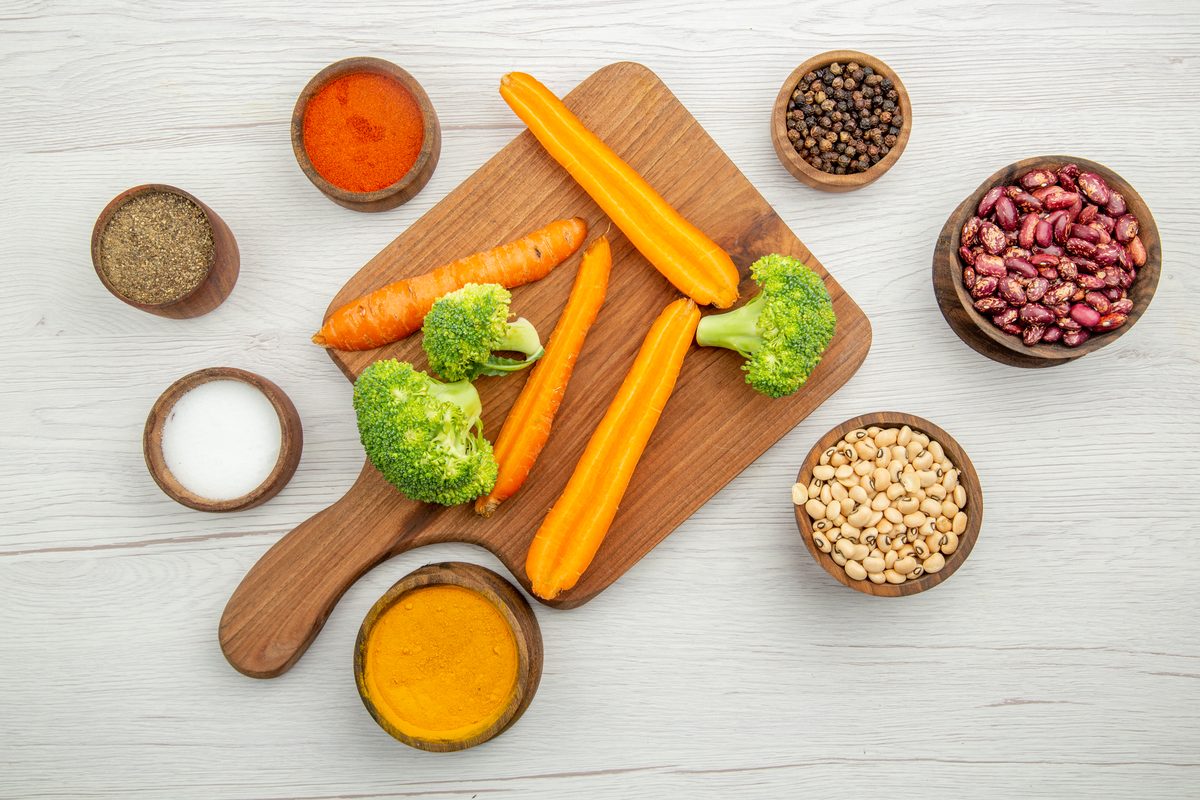
Fibre prevents constipation, the main cause of pressure in the colon. Aim for 25g a day for women and 38g a day for men, increasing gradually to avoid bloating. Key sources:
- Fruit and vegetables: 5 portions a day, with the skin on (apples, pears, citrus fruit, spinach, broccoli). A raw carrot (2g of fibre) or a cup of kale (5g) is enough.
- Wholegrain cereals: wholemeal bread, brown rice (6g per cup), quinoa (5g). Swap white rice for wild rice for a balanced meal.
- Pulses: lentils (8g per half cup) or chickpeas (7g) in salads, purées or homemade soups.
- Seeds and bran: psyllium (5g per spoonful) or wheat bran (12g per cup) to sprinkle on yoghurt or soups.
Avoid red meat and sweets. Opt for lean protein (fish, poultry) and natural sweeteners. Read labels: choose foods with at least 3g of fibre per portion.
Food myths: can you eat nuts, seeds and popcorn?
Contrary to a widespread belief, recent studies show that eating nuts, seeds or popcorn does not increase the risk of diverticulitis and may even be beneficial.
Once banned, these foods are now considered safe thanks to their fibre and antioxidants. Nuts (almonds, hazelnuts) and seeds (flax, chia) are ideal as a snack or added to dishes. Chew them well or blend them for smooth digestion. Avoid them temporarily during a flare-up. A 20g portion of nuts (about 10 hazelnuts) is enough for a balanced intake. Popcorn, without added butter or sugar, remains a moderate option for a light meal.
What should you remember about diverticula and diverticulitis?
Diverticula are pouches in the wall of the colon. If they become inflamed, it is diverticulitis. These two conditions, often confused, have different implications.
The key points to remember
- Diverticulosis: Presence of diverticula without symptoms. Affecting 30% of people over 60, it is often symptomless and discovered by chance.
- Diverticulitis: Inflammation of the diverticula showing up as abdominal pain (left side), fever and changes in bowel habits. Around 25% of people with diverticulosis will develop diverticulitis.
- Risk factors: Older age, a diet low in fibre, obesity, smoking, or anti-inflammatory medicines (e.g. aspirin).
- Prevention: A high-fibre diet (pulses, vegetables) and physical activity reduce the risks. Nuts and popcorn are no longer ruled out, but are best avoided during a flare-up.
- Complications: 15% of cases lead to abscesses, perforations or bleeding. Seeing a doctor is essential if you have prolonged pain or a fever.
- Diagnosis and treatment: A CT scan confirms the diagnosis. Treatment varies: rest, an adapted diet, antibiotics or surgery for complications.
A healthy lifestyle prevents risks. Medical advice is crucial when symptoms persist, to avoid serious complications.
Diverticulosis (pouches in the colon) is common and benign, whereas diverticulitis (inflammation) causes abdominal pain, fever or changes in bowel habits. A high-fibre diet, hydration and physical activity reduce the risks. Contrary to received wisdom, nuts, seeds and popcorn do not need to be avoided. If symptoms persist, you should see a doctor.
If your doctor has advised psyllium, here are the official instructions for taking it: psyllium, dose and precautions.
FAQ
What are the main causes of diverticulitis?
Diverticulitis occurs when diverticula (small pouches in the wall of the colon) become inflamed or infected. This is often triggered by faecal matter or food debris building up in these pouches, creating a breeding ground for bacterial infection. Risk factors include a diet low in fibre, chronic constipation, obesity, smoking and certain medicines such as non-steroidal anti-inflammatory drugs (NSAIDs). Although stress is not a direct cause, it can worsen digestive problems and indirectly encourage acute episodes.
How do diverticula affect your stools?
With simple diverticulosis (diverticula without inflammation), stools are generally normal, and most people have no symptoms. However, if diverticulosis develops into diverticulitis, changes in bowel habits can occur, such as sudden constipation or diarrhoea. During a flare-up, abdominal pain and digestive discomfort can also affect how you pass stools. In a stable phase, a high-fibre diet and good hydration help normalise transit.
Which foods should you avoid to prevent complications?
Current recommendations simply advise against a diet that is very low in fibre (red meat, ultra-processed products) and excessive in saturated fat. Nuts, seeds and popcorn, long suspected, are now considered harmless by recent studies. During a diverticulitis flare-up, a low-residue diet (e.g. fruit juice without pulp, white rice) is recommended to rest the digestive system. For prevention, favour fruit, vegetables, wholegrain cereals and pulses to support regular transit.
What painful symptoms are linked to diverticula?
Pain is the key symptom of diverticulitis. It is usually felt in the lower left abdomen and can be sudden and intense, or build up gradually. It is often accompanied by fever, nausea and changes in bowel habits (constipation or diarrhoea). When diverticula are simple (diverticulosis), they do not cause sharp pain, but sometimes bloating or mild cramps. Persistent pain always warrants a medical consultation to rule out complications.
Do diverticula pose serious health risks?
Diverticulosis (the presence of diverticula) is a benign condition, found in more than 50% of people over 60, and is harmless in itself. Inflammatory diverticulitis, however, can lead to complications in 15% of cases: abscess, bowel obstruction, or peritonitis if there is a perforation. These situations need urgent treatment. For people with no symptoms, no specific treatment is required, but monitoring and a suitable lifestyle are advised to prevent flare-ups.
Does stress play a role in the development of diverticula?
Stress is not a direct factor in the formation of diverticula, but it can worsen digestive symptoms. It sometimes promotes constipation or bowel spasms, increasing pressure in the colon and potentially the risk of diverticulitis. The mechanisms linked to the « second brain » in the gut (the gut-brain axis) explain this indirect impact. For sensitive patients, stress management methods (yoga, meditation) are recommended to support digestive health.
How do you identify a diverticulitis flare-up?
Diverticulitis shows up as persistent abdominal pain, often in the lower left, together with a fever, chills or a sudden change in bowel habits (constipation or diarrhoea). Nausea or tenderness when the abdomen is touched are also common. If these symptoms appear, it is crucial to see a doctor to confirm the diagnosis through tests (CT scan) and start suitable treatment, including antibiotics if there is an infection.
Which fruits should you avoid with diverticula?
During an acute flare-up, it is best to avoid fruit that is high in fibre or seeds (e.g. strawberries, raspberries, kiwi with the skin). Opt for cooked fruit (peeled apples, compotes) or juices without pulp. In a stable phase, no specific restriction is needed: the fibre in fruit (pears, apples with the skin) is even beneficial for transit. The old advice to avoid tomato pips or cucumber seeds is no longer supported by current research.
Are diverticula linked to the signs of colon cancer?
Diverticula and colon cancer are two distinct conditions, even though they share some risk factors (age, a diet low in fibre). The symptoms of cancer (unexplained weight loss, repeated rectal bleeding, persistent changes in bowel habits) differ from those of diverticulitis. It is still important to have a medical check-up if you have worrying symptoms, especially after 50, to rule out a more serious condition.
Read also
Food guides: Walnuts, Apple, Hazelnut, Wholemeal bread, Wild rice, Chickpeas
Recipes to try: Kale, apple and walnut salad, Lamb’s lettuce, walnut and apple salad, Apple and cinnamon porridge