Dietary fibre: benefits and sources
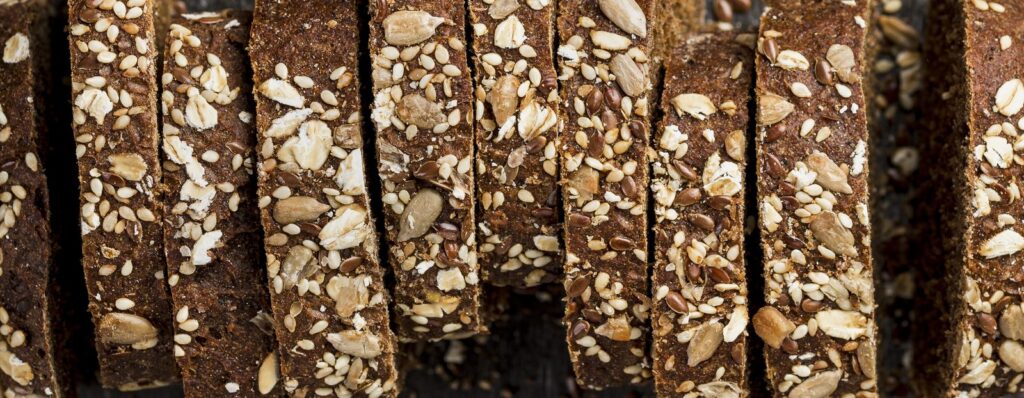
Often overlooked, dietary fibre is nonetheless essential to health. Digestion, fullness, blood sugar, cholesterol, the gut microbiome: the benefits are many, and most of us do not eat enough of it.
👉 Free tool: Calorie needs – calculate in 30 seconds, no sign-up.
Two types of fibre
- Soluble fibre (oats, pulses, apples): it forms a gel that slows the absorption of sugars and helps lower cholesterol.
- Insoluble fibre (vegetables, wholegrains, bran): it supports bowel regularity.
Why eat more of it?
Fibre increases fullness (useful for weight control), steadies blood sugar (relevant to the glycaemic index), feeds the gut microbiome and helps maintain healthy cholesterol levels. The recommended target is around 25 to 30 g a day.
The best sources
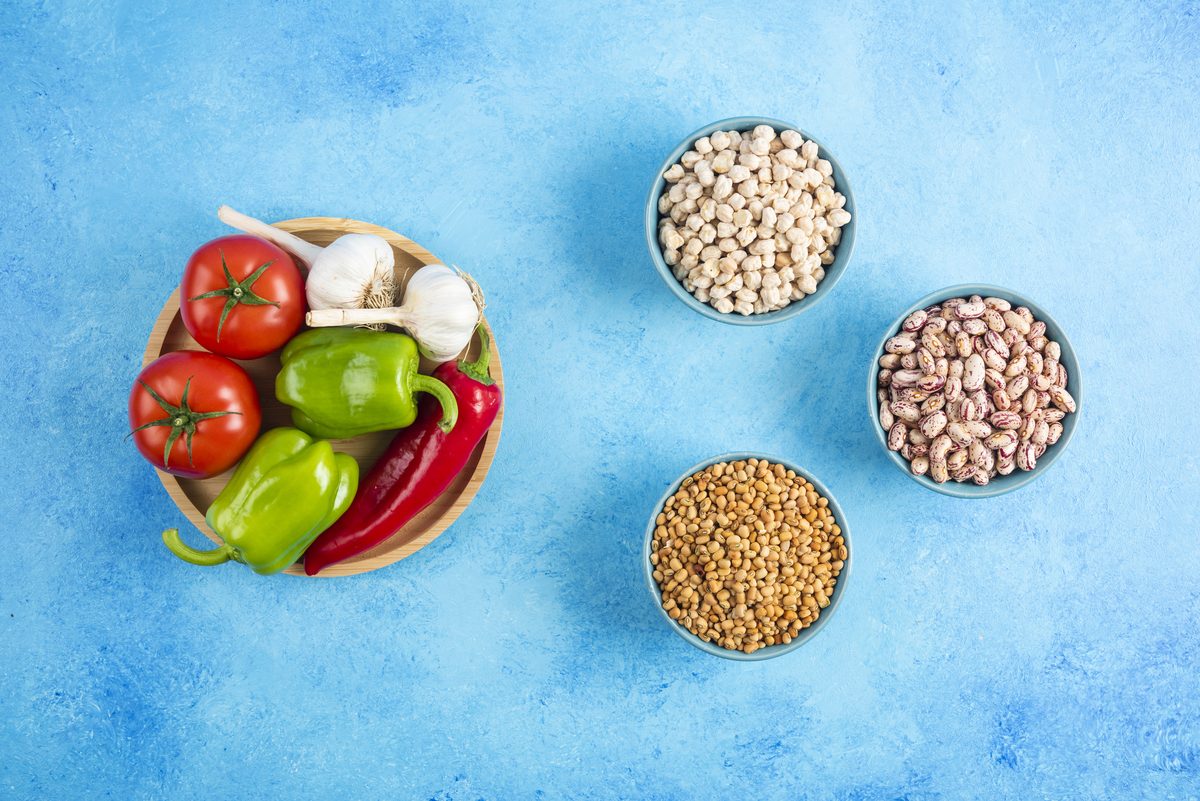
Lentils, chickpeas, rolled oats, vegetables, fruit with its skin on and nuts and seeds are excellent sources. Increase your intake gradually and drink plenty of water.
High-fibre recipes
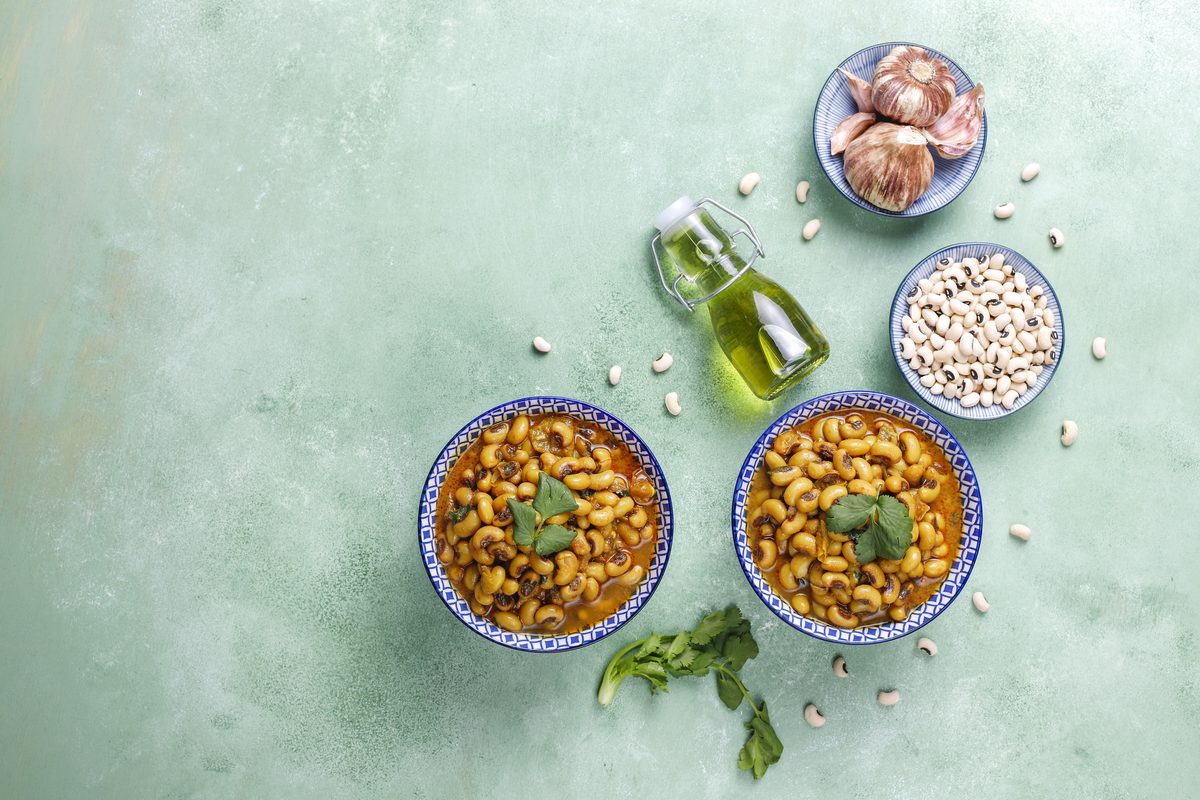
Stock up with split pea soup, lentil dahl or oat porridge. Browse our low-GI recipes too.
Do you take psyllium as a supplement? Dose, water and timing according to the European Medicines Agency: psyllium before bed.
Further reading
Food pages: Split pea soup, Split peas, Apple
Recipes to try: Apple and cinnamon porridge, Apple and cinnamon overnight oats, Homemade Bircher muesli


