Famille d'aliments · Seafood
Les seafood, densité nutritionnelle exceptionnelle.
Oysters, mussels, prawns, langoustines, clams, squid… Seafood is a nutritional treasure often kept for festive occasions. That is a shame: very rich in protein, low in calories, and packed with iodine, zinc, iron and omega-3, it deserves a more regular place at the table. As long as you choose it well and keep it properly chilled.
Foods in the group

Prawn
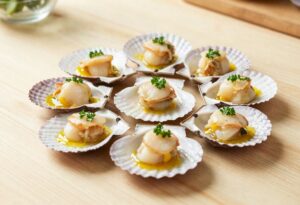
Queen scallops
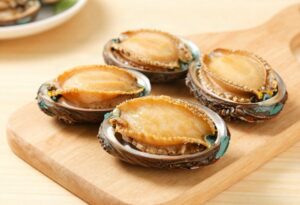
Raw abalone
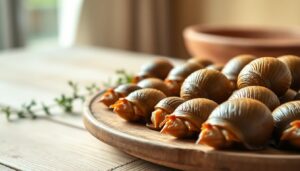
Raw snail

Red crab
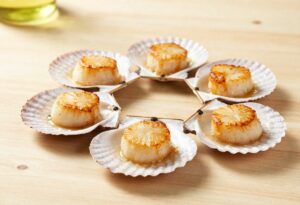
Scallops
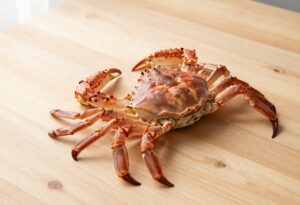
Spider crab
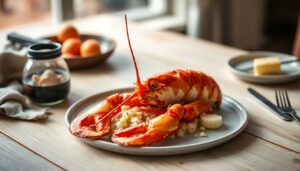
Spiny lobster
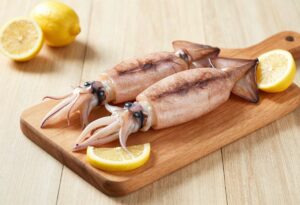
Squid
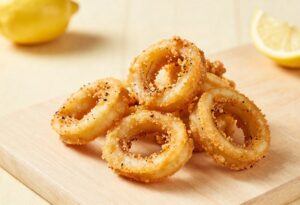
Squid (calamari)

Surimi
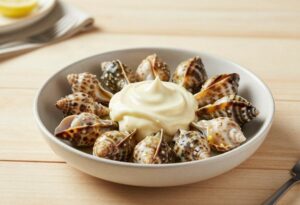
Whelk (bulot)
A concentrate of rare nutrients
Seafood is among the most micronutrient-dense foods there is. A portion of 6 oysters covers more than 100% of daily needs for zinc and vitamin B12, for under 70 calories. Mussels are an exceptional source of iron and manganese. Prawns provide highly digestible protein and antioxidant selenium.
Their ratio of nutrients to calories is unbeatable, which makes them valuable allies for anyone watching their weight while trying to avoid deficiencies.
The health benefits
A mine of essential minerals
Iodine (essential for the thyroid), zinc (immunity and reproduction), selenium (antioxidant), iron (blood cell formation), copper (nervous system): seafood concentrates a variety of minerals that is rare in other foods. This is particularly useful for people who are low in iron or zinc, which is common on restrictive diets.
Lean, high-quality protein
Like fish, seafood provides complete protein with very little fat. A 100 g portion of prawns supplies 20 g of protein for only 90 kcal, an ideal ratio for athletes and low-calorie diets.
A source of omega-3
Molluscs (mussels, oysters, clams) contain long-chain omega-3, which benefits the cardiovascular system. Less concentrated than in oily fish, but worthwhile.
How to choose well
Freshness is non-negotiable. Seafood is among the most perishable foods, and poor storage exposes you to serious food poisoning. A few basic rules:
- Buy from a trusted fishmonger or a shop with fast stock turnover
- Shellfish should be tightly closed or close when tapped: throw away any open ones that do not react
- Fresh prawns and langoustines: black, shiny eyes, firm flesh, a briny, sea-like smell (never ammonia)
- Eat on the day of purchase, or the next day at the latest
- Keep them chilled: use a cool bag from the market to home
Cooking and preparation
Seafood lends itself to many preparations, but a few principles always apply:
- Short cooking times: seafood toughens quickly and loses its flavour when overcooked
- Steamed in white wine (marinière), griddled, in risotto, in bouillabaisse: the classics that show it at its best
- Raw (oysters especially): preserves all their nutritional qualities, but requires impeccable freshness
- Avoid deep-fried foods and very rich sauces, which cancel out the nutritional benefit
What to choose
- For zinc and vitamin B12: oysters (the all-round champions)
- For iron: mussels, clams, cockles
- For lean protein: prawns, langoustines, king prawns
- For festive occasions: spiny lobster, lobster, scallops
- For sustainability and budget: mussels, sardines, mackerel (on the fish side)
Precautions and limits
Raw or lightly cooked seafood is not recommended for pregnant women, young children and people with weakened immune systems because of the risk of Listeria and norovirus. Thorough cooking removes these risks.
As for allergies, seafood is among the major allergens: introduce it gradually to children and watch for reactions.
Going further
Seafood is not just a party dish. Once a week, mussels in white wine with a green salad make a healthy, economical and nutritionally remarkable dinner. Vary your sources of marine protein by alternating with fish and cutting back on meat: that is the spirit of the Cretan diet.