Group · Herbs & spices
Curry powder
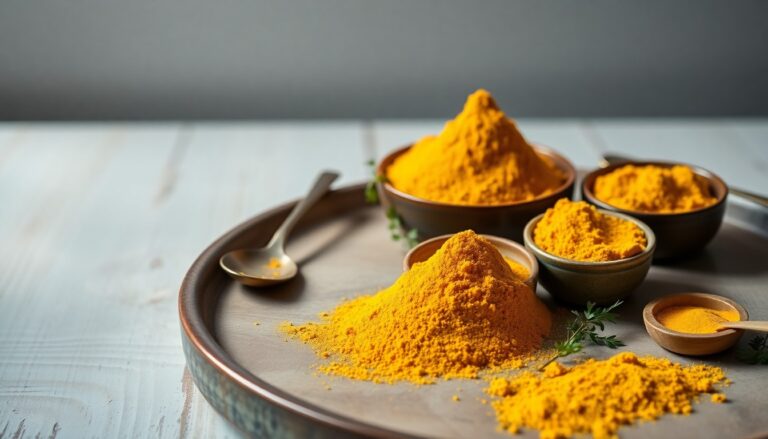
Curry powder is not a single spice but a carefully balanced blend, inherited from Indian and Asian cooking. It typically contains turmeric, coriander, cumin, fenugreek, ginger, pepper and sometimes chilli or cardamom. Its golden colour and warm aroma make it a staple of slow-cooked dishes, sauces and marinades. Beyond flavour, curry powder concentrates fibre, minerals and interesting aromatic compounds. Like all spices, it is used in small amounts and gives plenty of taste for very few calories actually eaten, which makes it a valuable ally in a balanced, flavourful diet.
Macronutrient breakdown
Nutrition table per 100 g
| Calories | 301 kcal |
| Kilojoules | 1230 kJ |
| Protein | 14,5 g |
| Carbohydrate | 2,7 g |
| Fat | 14 g |
| Fibre | 53,2 g |
Micronutrients per 100 g
All measured nutrients, ranked by share of the daily reference intake.
- Manganese8,3 mg415 %
- Vitamin E25,2 mg210 %
- Iron19,1 mg136 %
- Vitamin K199,8 µg133 %
- Copper1,2 mg120 %
- Magnesium255 mg68 %
- Calcium525 mg66 %
- Potassium1170 mg59 %
- Vitamin B9dietary folate equivalents56 µg
See the other 11 nutrients
- Phosphorus367 mg52 %
- Zinc4,7 mg47 %
- Vitamin B33,26 mg20 %
- Vitamin B51,07 mg18 %
- Vitamin B10,18 mg16 %
- Vitamin B20,2 mg14 %
- Omega-3 ALA0,26 g13 %
- Vitamin B60,11 mg8 %
- Vitamin C0,7 mg1 %
- Iodine0,5 µg0 %
- Vitamin A0,92 µg0 %
Anses Ciqual 2025. Source: Anses, 2025, Ciqual food composition table
Tips
Curry powder comes in several strengths: mild, medium or hot (madras), depending on how much chilli it contains. You can also tell the milder yellow curries from the spicier versions. To bring out its aromas, fry it for a few seconds in a little fat before adding the rest of the ingredients: the heat releases the volatile compounds and softens any bitterness.
How to eat curry powder
- In vegetable, lentil or chickpea curries, perfect for plant-based cooking.
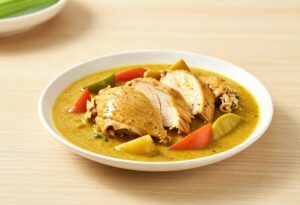
- As a marinade for chicken, fish or tofu, mixed with plain yoghurt.
- Sprinkled over eggs, rice, soups or squash velouté.
- In an original vinaigrette or a coconut milk sauce.
Nutrition facts and benefits. Per 100 g, curry powder provides 325 kcal, 14.5 g of protein, 2.63 g of carbohydrates, 14 g of fat and above all 53.2 g of fibre. These figures are impressive, but remember that a real portion is counted in grams: a teaspoon provides only a few calories. The blend concentrates aromatic compounds from turmeric powder, coriander seeds and cumin, spices valued for their antioxidant content. You can also explore the whole herbs and spices family to vary your seasonings.
Tips for active people. Curry powder is an excellent way to make your recovery meals more appetising without raising the calorie total. Add it to a base of rice, sweet potato and chicken for a post-workout meal rich in carbohydrates and protein, pleasant to eat even when your appetite is low. It also lifts pulse dishes, sources of plant protein useful for building and maintaining muscle. To go further on the active person’s plate, read our guide to nutrition for fitness.
Weight control. Curry powder is a smart ally when you are slimming: it brings an intensity of flavour that reduces the need for salt, fatty sauces or sugar. Beware of ready-made preparations such as curry sauce, though, which are often high in fat and cream. Stick to the plain powder and add as much as you like.
Storage. Keep curry powder in an airtight jar, away from light and damp. Its aroma fades with time, so buy it in small quantities and replace it regularly to get the most from its flavour. To compare the calorie density of foods, take a look at the calorie table.