Group · Dairy
Protein powder (whey or plant-based)
Protein powder (whey from milk, or plant-based from pea, rice or soy) is a concentrated protein supplement, widely used in sports nutrition. Handy for topping up your intake around training, it does not replace a varied diet but helps you reach your protein goals.
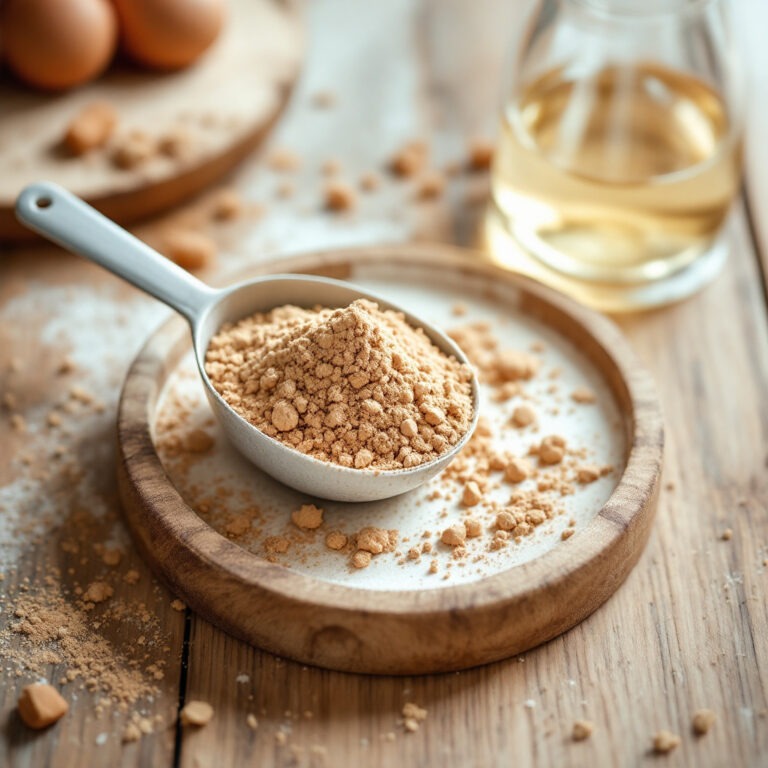
Macronutrient breakdown
Nutrition table per 100 g
| Calories | 352 kcal |
| Kilojoules | 1472 kJ |
| Protein | 78,2 g |
| Carbohydrate | 6,3 g |
| Fat | 1,6 g |
| Fibre | 3,1 g |
Micronutrients per 100 g
All measured nutrients, ranked by share of the daily reference intake.
- Phosphorus1321 mg189 %
- Vitamin B22,02 mg144 %
- Vitamin B122,45 µg98 %
- Vitamin B55,52 mg92 %
- Zinc6,18 mg62 %
- Calcium469 mg59 %
- Vitamin B10,61 mg55 %
- Magnesium195 mg52 %
See the other 9 nutrients
- Selenium26,7 µg49 %
- Vitamin B60,61 mg43 %
- Potassium500 mg25 %
- Vitamin B933 µg17 %
- Iron1,13 mg8 %
- Vitamin B31,14 mg7 %
- Copper0,05 mg5 %
- Omega-6 LA0,26 g3 %
- Omega-3 ALA0,03 g2 %
USDA FoodData Central (SR Legacy)
Tips
Protein powder can be mixed with water or milk in a shaker, or added to recipes such as protein pancakes, a protein smoothie or a protein mug cake.
- Nutrition values: very high in protein (often 70-85% of the weight), with little carbohydrate and fat.
- For athletes: useful for meeting protein needs when bulking or cutting; whey is quick to absorb, and plant-based versions suit vegans.
It is only a supplement: the priority remains whole protein sources (eggs, meat, fish, pulses). Choose one with few additives and no added sugars.
Sources
Average nutrition values per 100 g, given as a guide only (they may vary by brand and preparation).
Recipes with protein powder (whey or plant-based)
Voir les 17 recettes →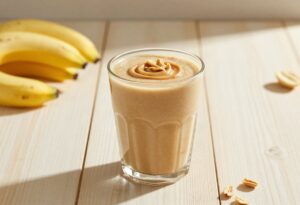
Banana and peanut butter protein smoothie
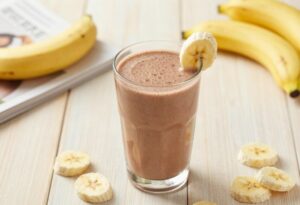
Banana and cocoa recovery shake
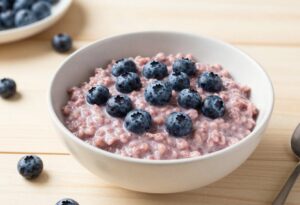
Blueberry protein porridge

High-protein blueberry pancakes

Protein banana pancakes
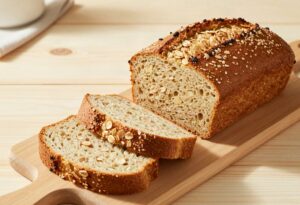
High-protein bread with oats and skyr
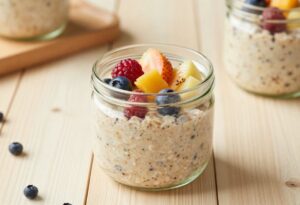
Protein overnight oats

Chocolate protein mug cake

High-protein raspberry muffins
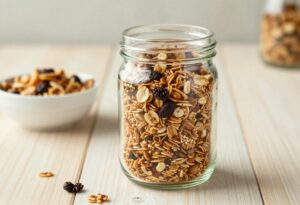
Homemade protein granola

High-protein waffles