Foods high in iodine: the ranking, iodised salt and the seaweed trap
The short answer
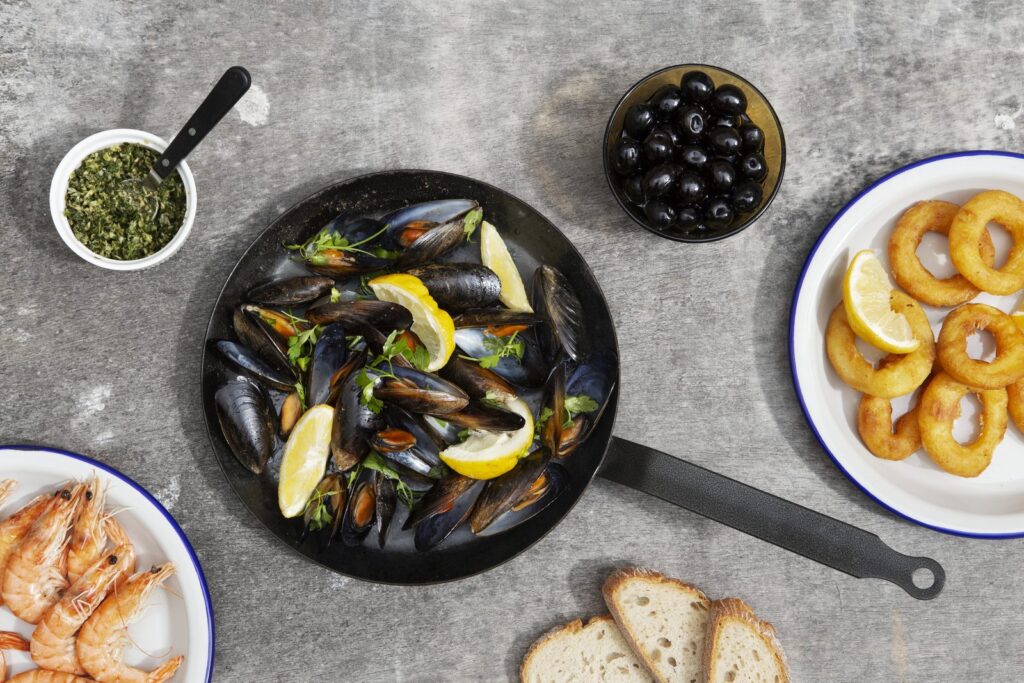
Iodine comes mainly from the sea and from iodised salt. Winkles come first with 570 µg per 100 g, nearly four times the daily reference of 150 µg, followed by haddock, brown shrimp and smoked haddock. Milk and eggs are useful top-up sources. Seaweed, on the other hand, contains so much that it poses the opposite problem: 1 g of dried Breton kombu provides 4,590 µg, more than seven times the safety limit.
The ranking, sorted by what a portion really provides
| Food | Portion | Iodine | Share of 150 µg | Calories |
|---|---|---|---|---|
| Winkles, cooked | 100 g | 570 µg | 380% | 109 kcal |
| Haddock, steamed | 100 g | 260 µg | 173% | 89 kcal |
| Brown shrimp, cooked | 100 g | 260 µg | 173% | 89 kcal |
| Smoked haddock | 100 g | 255 µg | 170% | 97 kcal |
| Lobster | 100 g | 240 µg | 160% | 86 kcal |
| Plaice | 100 g | 191 µg | 127% | 89 kcal |
| Pollack, cooked | 100 g | 150 µg | 100% | 98 kcal |
| Tuna, cooked | 100 g | 150 µg | 100% | 136 kcal |
| Cod, cooked | 100 g | 121 µg | 81% | 100 kcal |
| Mussels, cooked | 100 g | 106 µg | 71% | 108 kcal |
| Oysters | 100 g | 101 µg | 67% | 67 kcal |
| Brown crab, cooked | 100 g | 100 µg | 67% | 124 kcal |
| Semi-skimmed milk | 250 ml | 65 µg | 43% | 119 kcal |
| Hard-boiled eggs | 2 eggs, 100 g | 50 µg | 33% | 134 kcal |
| Mackerel, cooked | 100 g | 46 µg | 31% | 228 kcal |
| Natural yoghurt | 125 g | 35 µg | 23% | 91 kcal |
Lean fish beat oily fish
For iodine, the usual hierarchy is reversed: haddock (260 µg), pollack (150 µg) and cod (121 µg) provide far more than mackerel (46 µg). One portion of white fish covers the reference for a day, or almost.
Dairy products and eggs, the everyday top-up
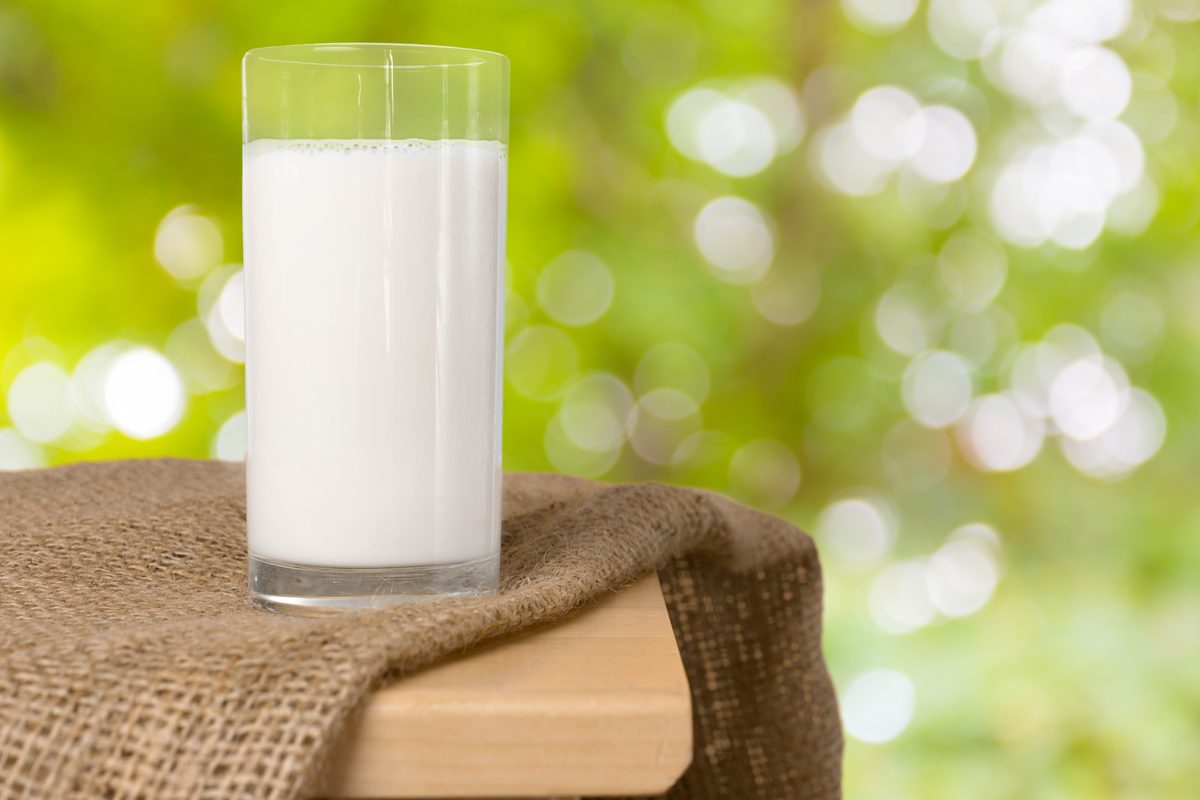
A large glass of milk provides 65 µg, two eggs 50 µg, a yoghurt 35 µg. These are modest amounts, but regular ones: that is what makes them useful. Meat contains very little, 6 µg per 100 g of steak, 4 µg for chicken breast.
Iodised salt, the simplest step
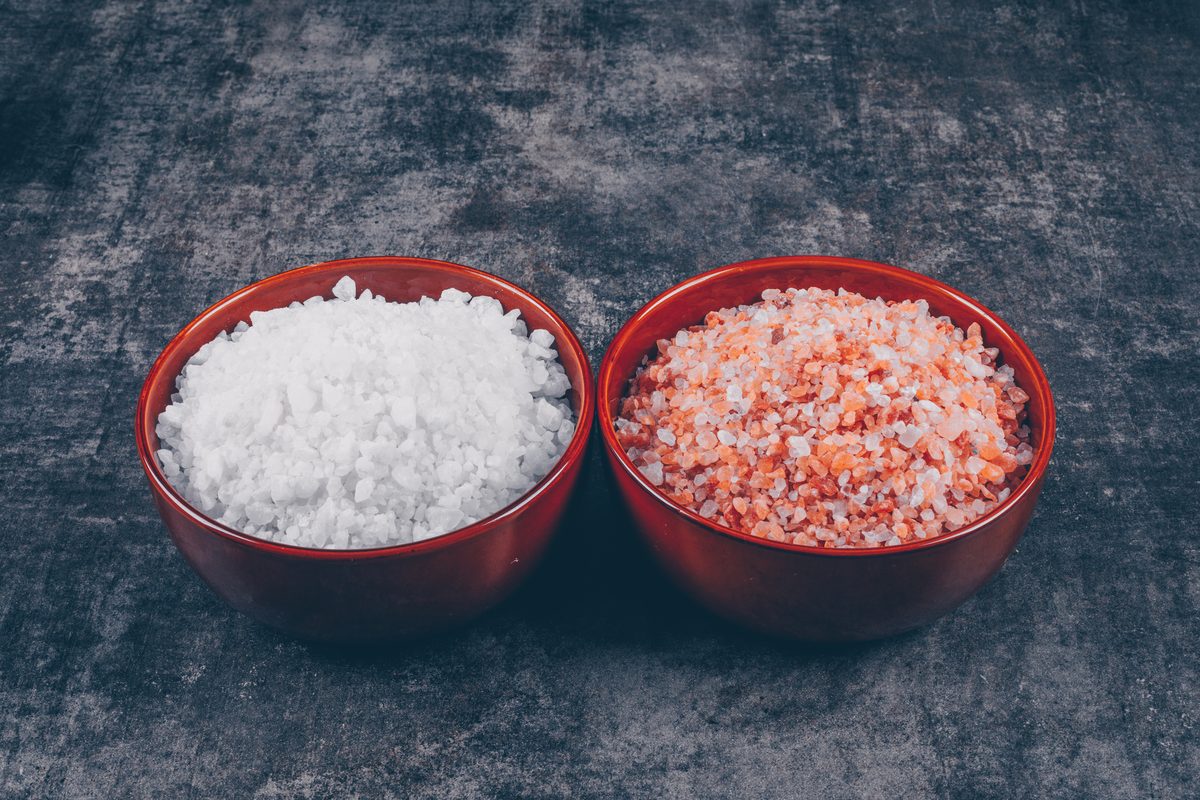
According to Ciqual, iodised white salt contains 1,860 µg of iodine per 100 g, non-iodised salt 1.8 µg, a thousand times less. For 5 g of salt, the limit the WHO sets for all the salt of the day, that gives 93 µg with iodised salt, or 62% of the reference, and practically nothing with non-iodised white salt. The point is not to salt more, but to choose iodised salt for the salt you already use. This is particularly useful for anyone who eats little fish and few dairy products.
Seaweed: too much, not too little
| Dried seaweed | Iodine per 1 g | Share of the 600 µg limit |
|---|---|---|
| Breton kombu | 4.590 µg | 765% |
| Royal kombu | 4.100 µg | 683% |
| Japanese kombu | 2.330 µg | 388% |
| Dulse | 229 µg | 38% |
| Sea spaghetti | 90 µg | 15% |
| Sea lettuce | 85 µg | 14% |
| Nori | 56 µg | 9% |
A single gram of kombu exceeds the safety limit several times over. In its opinion of 25 June 2018, Anses reports that Croatia recommends not exceeding 0.3 g of kombu per day, and it advises against seaweed-based foods and supplements without medical advice, for people with a thyroid problem, heart disease or kidney failure, for those taking a medicine containing iodine or lithium, and for pregnant or breastfeeding women. It also considers that seaweed is not a sensible way to correct an iodine deficiency, given how much its content varies. The nori used in sushi is much less concentrated.
How much iodine per day
| Profile | Adequate intake | Safety limit |
|---|---|---|
| Adult | 150 µg/day | 600 µg/day |
| Pregnant or breastfeeding woman | 200 µg/day | 600 µg/day |
| Teenager aged 15 to 17 | 130 µg/day | 500 µg/day |
| Child aged 11 to 14 | 120 µg/day | 450 µg/day |
| Child aged 1 to 10 | 90 µg/day | 200 to 300 µg/day |
During pregnancy, the requirement rises to 200 µg, because iodine is essential for the child’s brain development. A day that reaches it: 100 g of pollack (150 µg), a large glass of milk (65 µg) and the iodised salt used in cooking (93 µg), giving 308 µg, without coming close to the limit. A supplement should only be decided with your doctor or midwife. For diet during this period, see our guide to eating during pregnancy.
Frequently asked questions
Which food is richest in iodine?
Excluding seaweed, winkles (570 µg per 100 g), then haddock and brown shrimp (260 µg). Kombu seaweed contains far more, to the point of being dangerous in quantity.
Which fish is richest in iodine?
Haddock, fresh or smoked, with about 255 to 260 µg per 100 g. Plaice, pollack and cod follow.
Should you use iodised salt?
For the salt you already use, yes: 5 g of iodised salt provides 93 µg, 62% of the reference, against almost nothing for non-iodised salt. The point is not to eat more of it.
Is seaweed a good source of iodine?
Too good: 1 g of dried kombu exceeds the safety limit several times over. Anses advises against it without medical advice for pregnant or breastfeeding women and for people with a thyroid, heart or kidney problem.
How much iodine per day?
Anses sets 150 µg per day for adults, 200 µg during pregnancy and breastfeeding, with a safety limit of 600 µg.
The other rankings
Same method, based on the Ciqual table: foods high in iron, foods high in magnesium, foods high in potassium, foods high in calcium, foods high in zinc, foods high in selenium, foods high in vitamin B12, foods high in vitamin C, foods high in vitamin D, foods high in omega-3, highest-protein foods, vegetables high in fibre, least sugary fruits.
Our sources
- Ciqual 2025 table (Anses), Iodine column in µg/100 g, cross-checked with the site’s food pages.
- Anses, Les références nutritionnelles en vitamines et minéraux, March 2021.
- Anses, opinion of 25 June 2018 on the risk of excess iodine intake linked to seaweed consumption (referral 2017-SA-0086).