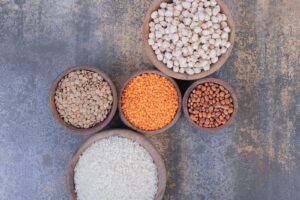
The Cretan Diet: Good for Your Heart

Tired of restrictive diets that promise quick results but are hard to stick to? The Cretan diet, inspired by the habits of the people of Crete, who were studied in the 1950s for their low rate of cardiovascular disease, offers a lasting alternative that is good for your health. This way of eating, recognised by UNESCO as cultural heritage, is based on simple foods: plenty of vegetables, olive oil, pulses and fish. Find out how this diet helps prevent chronic disease, supports longevity and suits everyone thanks to its balance and Mediterranean flavours.
👉 Free tool: Calorie deficit: work it out in 30 seconds, no sign-up required.
- What is the Cretan diet and where does it come from?
- What are the main principles of Cretan eating?
- What are the proven health benefits of the Cretan diet?
- How do you put together meals on the Cretan diet?
- Adopting the Cretan diet day to day: practical advice and tips
- The Cretan diet: a legacy for a healthier, longer life
What is the Cretan diet and where does it come from?
More than a diet: a Mediterranean way of life
The Cretan diet, which emerged in the 1960s, embodies a way of life rooted in the culinary traditions of Crete, southern Italy and Spain. It is based on simple foods: fresh fruit and vegetables (such as tomatoes and aubergines), wholegrain cereals (barley, oats), pulses (lentils, beans) and above all extra virgin olive oil, used every day. Sharing meals, a symbol of solidarity, strengthens family and community ties.
Cretans favour grilled fish, goat’s or sheep’s cheeses, and emblematic vegetarian dishes such as stuffed vine leaves or Cretan salads with feta and olives. This simplicity, combined with daily physical activity (walking, farm work), explains its worldwide popularity.
Discovering its benefits: from Crete to UNESCO
In 1948, the Rockefeller Foundation noted the exceptional health of Cretans despite a frugal diet. The American physician Ancel Keys, in his « Seven Countries Study » (1950-1970), found a cardiovascular risk 30% lower among Cretans. His work highlighted the virtues of the unsaturated fats in olive oil, which can limit « bad » cholesterol (LDL) and protect the heart.
In 2010, UNESCO added the Mediterranean diet to its list of intangible cultural heritage. It includes everyday practices such as family meals, local markets and traditional festivals. Women, the keepers of ancestral recipes, play a key role in passing this culture on. Despite criticism of Keys’s methods, a 2017 study confirms its benefits: prevention of cardiovascular disease and diabetes, and even a reduced risk of Alzheimer’s disease.
What are the main principles of Cretan eating?
The Cretan diet draws on the eating habits of Cretans, who are known for their health. Based on plant foods, plant-based fats and moderate amounts of animal protein, it supports cardiovascular health, longevity and the prevention of chronic disease.
The Cretan food pyramid: what to eat and how often
The Cretan diet organises food into three levels. Plant foods (vegetables, fruit, cereals) form the daily base. Plant-based fats, above all olive oil, are eaten daily along with 30 g of nuts. Animal protein (fish twice a week, white meat 2 to 4 times a week) is occasional, while red meat is limited. This structure guarantees nutritional balance and lasting fullness.
Summary table of Cretan diet foods
| Food category | Frequency | Examples and tips |
|---|---|---|
| Plant foods (Vegetables, Fruit, Pulses, Cereals) | Plentiful, at every meal | Vegetables (e.g. pepper) cooked or raw. Fresh fruit (citrus) for vitamin C. Pulses (lentils) for protein. Choose wholemeal bread for fibre. |
| Plant-based fats and Nuts | Daily | Extra virgin olive oil for fatty acids and vitamin E. 30 g of walnuts/almonds for omega-3. |
| Dairy products and Eggs | Moderate | Goat’s/sheep’s cheeses (e.g. feta) and plain yoghurt. Eggs (max. 5 a week). |
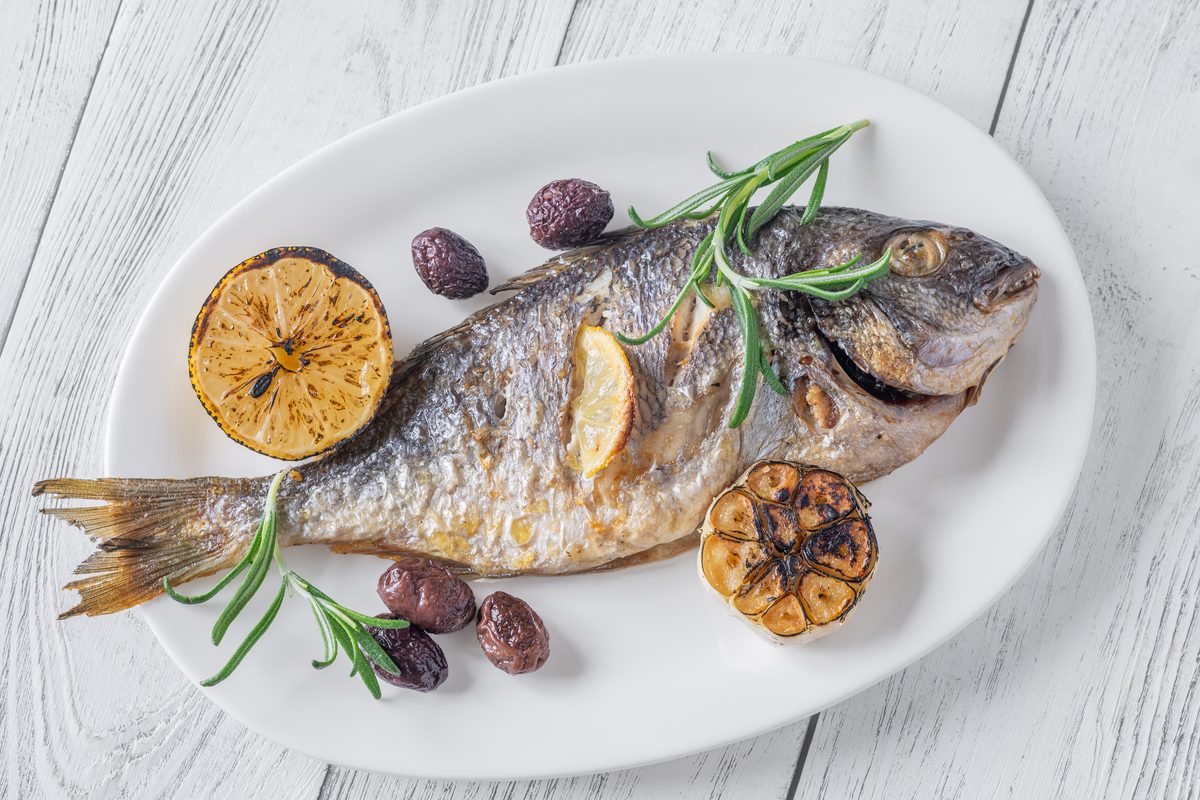
| Fish and seafood | Limited (twice a week) | Choose sardines (omega-3) and hake. Avoid swordfish. |
| White meat (Poultry) | Limited (2-4 times a week) | Cook chicken/turkey without the skin to limit saturated fat. |
| Red meat and sugary foods | Low and occasional | Make it a rare treat. Replace sweets with fresh fruit. |
| Drinks | Plentiful (water) / Moderate (wine) | Drink water freely. One glass of red wine for its antioxidants. |
What are the proven health benefits of the Cretan diet?
Recognised protection for the heart and arteries
The Cretan diet is recognised worldwide for its beneficial effects on cardiovascular health. The Lyon study showed that patients following this diet after a heart attack saw their risk of recurrence fall by 81%, with an overall 70% drop in deaths from all causes.
A major study, the Lyon Diet Heart Study, showed a 70% drop in deaths from all causes among patients who followed this diet after a heart attack.
The unsaturated fatty acids in extra virgin olive oil, combined with the fibre and antioxidants in fruit and vegetables, improve cholesterol levels and blood vessel function. The Spanish PREDIMED study confirmed a 30% reduction in serious cardiovascular events among 7,500 high-risk participants.
An ally for longevity and brain health
Research shows that the Cretan diet supports healthy longevity. Telomeres, the ends of chromosomes linked to cellular ageing, are better preserved thanks to this way of eating. A study led by Dr Immaculata De Vivo found that strong adherence to the diet was equivalent to 18 months of cellular rejuvenation for each point scored.
This effect reduces the risk of neurodegenerative diseases such as Alzheimer’s and Parkinson’s. Antioxidants protect neurons from oxidative stress, a key mechanism in these conditions.
Other significant benefits for general wellbeing
The benefits of the Cretan diet include:
- Weight and diabetes control: healthy weight loss and better blood sugar regulation thanks to wholegrain cereals and pulses.
- Prevention of some cancers: a protective role for antioxidants against breast and colon cancer.
- Fertility and pregnancy: a 40% increase in the chances of pregnancy with assisted conception, and protection of the child against asthma and allergies.
- Metabolic health: reduced risk of metabolic syndrome through better insulin sensitivity.
These results rest mainly on observational studies, although trials such as PREDIMED have confirmed specific cardiovascular benefits. The diet’s effectiveness comes from the synergy between its foods, which are rich in anti-inflammatory compounds and antioxidants.
How do you put together meals on the Cretan diet?
The importance of ingredient quality
The benefits of the Cretan diet depend on the quality of the ingredients. Extra virgin olive oil is crucial. It contains polyphenols such as oleuropein, which protect the heart, reduce inflammation and slow cellular ageing. A good oil shows its quality through notes of bitterness and a peppery kick.
Choose local, seasonal vegetables and fruit, which are richer in nutrients. Wholegrain cereals provide fibre, vitamins and minerals. Opt for gentle cooking methods such as steaming or sweating to preserve nutritional quality. Fresh herbs replace salt for seasoning. Gentle methods keep the vitamins and antioxidants in vegetables.
Example dishes and a typical menu for one day
Here is how to structure your meals with traditional Cretan dishes. By following this model, you will enjoy a balanced diet while discovering Mediterranean flavours:
- Breakfast: Sheep’s milk yoghurt with Cretan honey and walnuts, with a seasonal fruit such as a fig or an apricot. A cup of mint tea can replace coffee.
- Lunch: Dakos, a toasted barley rusk topped with crushed tomatoes, feta cheese and olive oil. Served with a green salad dressed with a drizzle of extra virgin olive oil. The tomatoes provide antioxidants such as lycopene.
- Mid-morning snack: a handful of almonds and a piece of fruit (peach, apricot) or homemade stewed fruit with no added sugar.
- Dinner: Grilled sardine fillet with crushed potatoes in olive oil and a portion of steamed green vegetables. For a starter, a lentil soup.
This way of eating, inspired by the traditions of Crete, improves cardiovascular health and supports longevity thanks to a diet rich in antioxidants. The people of Crete, studied in the 1950s, showed excellent health linked to their diet. It is simple cooking centred on the quality of the produce and on keeping its natural flavours. One study even showed a 70% reduction in deaths after a heart attack among followers of this diet.
Adopting the Cretan diet day to day: practical advice and tips
How do you fit it into a busy life?
Do you dream of enjoying the benefits of the Cretan diet but lack the time? You can fit it into a modern routine with meal prep. At the weekend, prepare steamed vegetables and pulses, which are ideal for quick meals. Frozen raw vegetables and tinned pulses are valuable allies for simplifying everyday cooking without compromising on nutrition. Dishes such as moussaka or stuffed peppers, easy to make in large quantities, fit this practical approach perfectly.
Recognised by UNESCO, the Mediterranean diet is more than a list of foods; it is a set of skills, practices and traditions that values « eating together ».
Tips for getting started and avoiding pitfalls
Adopting this way of eating can seem complicated at first. Here is a list of good practices for a smooth transition:
- Make a gradual transition: gradually replace butter with olive oil, then add more vegetables to each meal.
- Manage seasonality: adapt your recipes to the seasons. In winter, rely on squash, cabbage and root vegetables. Frozen produce is a practical way to keep things fresh.
- Beware of « false friends »: ready meals labelled « Mediterranean » often hide salt and unhealthy fats. Choose home-made dishes.
- Rethink your shopping list: focus on fruit, vegetables, wholegrain cereals, pulses and good-quality extra virgin olive oil.
By following these steps, you will easily fit the Cretan diet into your routine while keeping its nutritional richness. Aromatic herbs such as oregano or herbes de Provence add flavour without salt, while respecting the spirit of sharing and conviviality that belongs to this way of eating.
The Cretan diet: a legacy for a healthier, longer life
The Cretan diet embodies an ancestral way of life, inspired by the Cretans whose health was studied by Ancel Keys. This model, recognised by UNESCO in 2010, is based on whole foods and home cooking.
Key takeaways
Adopting this diet means choosing a balanced way of life. Its strengths? A 30% reduction in cardiovascular risk and support for longevity. Traditional dishes such as moussaka or dolmades make the most of fresh vegetables, pulses and extra virgin olive oil.
- Olive oil, the cornerstone of the diet, provides anti-inflammatory fatty acids. One tablespoon a day is enough.
- Studies show that it reduces the risk of type 2 diabetes by 19% and protects memory thanks to antioxidants.
Accessible to everyone, it can be adapted for vegetarians. Replace animal protein with lentils or chickpeas. Meals become a celebration of simplicity and quality.
The Cretan diet, recognised by UNESCO, is a Mediterranean way of life that supports heart health, longevity and brain wellbeing. By favouring plant foods, olive oil and fish, while limiting meat and sugar, it fits easily into daily life. Adopt it gradually for a sustainable and tasty way of eating.

FAQ
What are the staple foods of the Cretan diet?
The Cretan diet is based on the daily consumption of plant-based foods. Fresh, seasonal fruit and vegetables form the base, with one raw and one cooked at every meal. Wholegrain cereals such as brown rice, wholewheat pasta and wholemeal bread provide fibre and vitamins. Pulses (lentils, chickpeas) provide protein. Olive oil, used daily, replaces other fats. Nuts (walnuts, almonds) are recommended at 30 g a day. Goat’s or sheep’s dairy products are eaten in moderation, while fish and seafood appear about twice a week.
How do you follow the Cretan diet day to day?
To adopt the Cretan diet, favour gentle cooking such as steaming or sweating. Start by replacing butter with extra virgin olive oil. Gradually increase the vegetables you eat at each meal. Use spices and aromatic herbs to limit salt. Include nuts (30 g) every day and replace refined cereals with wholegrain ones. Plan your meals with pulses as the main dish at least twice a week. Opt for oily fish two to three times a week. Finally, drizzle your dishes with olive oil and drink plenty of water, with an occasional glass of red wine during meals.
Which foods should you avoid on the Cretan diet?
Foods to limit or avoid include red meat (beef, pork), to be eaten at most once or twice a month. Dairy products made from cow’s milk, such as butter and cream, should be replaced with goat’s or sheep’s products. Ready meals described as « Mediterranean » should be avoided, as they are often high in salt and saturated fat. Tropical oils such as coconut oil, which is very high in saturated fatty acids, should be avoided. Refined cereals (white bread, white pasta) should be replaced with wholegrain ones. Finally, large predatory fish (swordfish, shark) should be avoided because of their heavy metal content.
Can the Cretan diet help you lose weight?
The Cretan diet is not specifically designed for weight loss, but it encourages natural slimming thanks to its nutritional balance. Studies show that it leads to weight loss equivalent to other diets, with better blood sugar control. Its effectiveness comes from a diet rich in fibre (vegetables, wholegrain cereals) and plant protein (pulses), which promotes fullness. However, its success also depends on regular physical activity. For optimal weight loss, it is advisable to cook without added fat and to control the amount of olive oil used.
What are the traditional Cretan breakfasts?
The traditional Cretan breakfast often consists of sheep’s or goat’s milk yoghurt with honey and walnuts. This trio provides protein, beneficial fatty acids and antioxidants. It is served with a seasonal fruit (fig, apricot) and sometimes a slice of wholemeal bread with olive oil and herbs. In some regions you will also find banana pancakes with homemade jam. This morning meal is complete, balanced and rich in essential nutrients, with a moderate calorie content (around 400-450 kcal).
Which breakfasts suit the Mediterranean diet?
Mediterranean breakfasts rely on fresh, whole foods. Here are some examples: sheep’s milk yoghurt with red berries and flaxseed, multigrain bread with mashed avocado and sesame seeds, oat porridge made with goat’s milk and flaked almonds, banana and buckwheat flour pancakes with walnuts and honey. You can also opt for an exotic fruit salad with plant-based yoghurt and oat flakes, or a spinach omelette with a slice of wholemeal bread and olive oil. These breakfasts provide fibre, protein and healthy fats, with a low glycaemic index.
What are the emblematic dishes of Cretan cooking?
Traditional Cretan cooking showcases local and seasonal produce. Dakos, a toasted barley rusk topped with crushed tomatoes, olive oil and feta cheese, is a must. Faki black lentil soup, flavoured with garlic and lemon, is a simple, nutritious dish. Stifado, a lamb and onion stew made with raki, illustrates slow-cooked cuisine. Psarosoupa, a rockfish soup, is a coastal speciality. Vegetables stuffed with fresh herbs and local spices (chard, courgettes) reflect the abundance of plant foods. Finally, olive oil, found everywhere, goes into many recipes.
Which bread is recommended on the Cretan diet?
The Cretan diet favours wholemeal or multigrain breads, rich in fibre, vitamins and minerals. Barley bread, traditional in Crete, is particularly recommended. You will also find wholegrain breads (rye, millet, oat), to be eaten in moderation (1 to 2 slices per meal). Wholemeal pitta bread is a good alternative for open sandwiches or stuffing. White bread and pastries, rich in refined carbohydrate, should be limited. For people wanting to cut down on carbohydrate, alternatives such as oat bran bread or quinoa flatbreads can be included occasionally.
What is the difference between the Cretan diet and the Mediterranean diet?
The Cretan diet is a specific variant of the Mediterranean diet, with regional particularities. It stands out for a higher consumption of olive oil (up to 40% of fat intake), and more frequent use of pulses as the main source of protein. Dairy products come mainly from goats and sheep, with fewer cow’s milk products. Meat, especially red meat, is even more limited than in other Mediterranean diets. The traditional Cretan diet more often includes local wild herbs and vegetables that are uncommon outside the region. Finally, the cultural dimension of « eating together » is stronger in Crete, with a strong link between food and social life.
Further reading
Food profiles: Olive oil, Goat, Lentils, Oats, Walnuts, Wholemeal bread
Recipes to try: Warm goat’s cheese salad, Goat’s cheese and grilled courgette tartine, Lentil balls in tomato sauce