Magnesium: benefits, signs of deficiency and foods high in magnesium
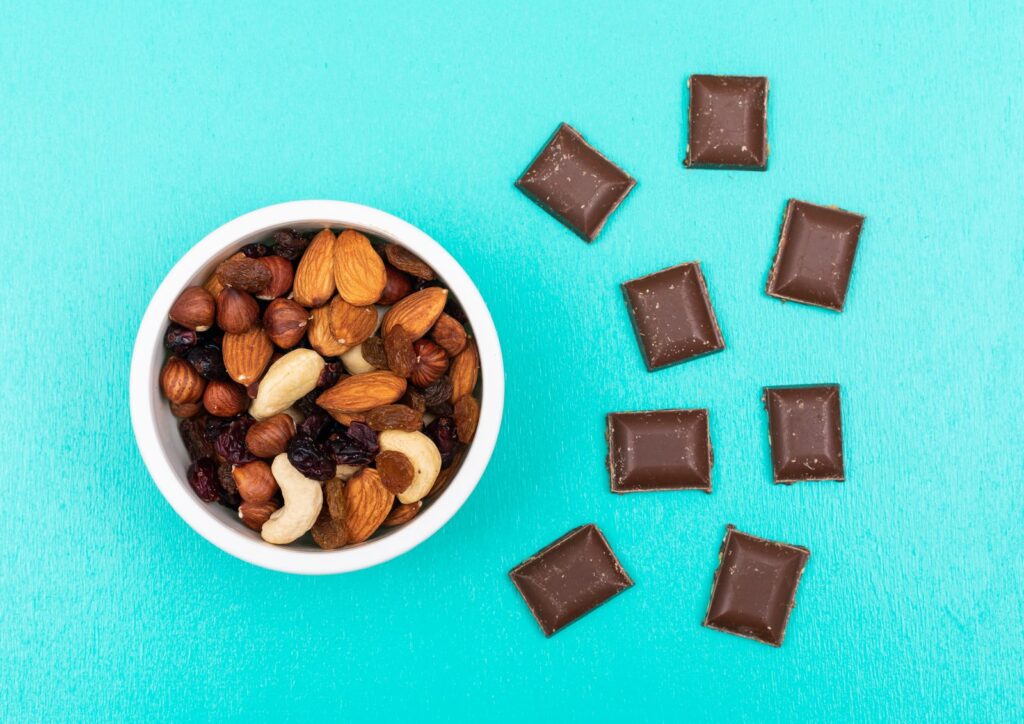
Magnesium is involved in more than 300 enzyme systems, from energy production to muscle contraction. The French agency Anses sets the adequate intake at 380 mg a day for men and 300 mg for women, and this figure matches the average intake of the French population measured by the INCA 3 survey. In other words, a varied diet with seeds, nuts, wholegrains and pulses is usually enough. Supplements have far more modest effects than advertising suggests, and a ceiling of 250 mg a day applies to them. Here is where things stand, with official figures.
👉 Free tool: Calorie needs – calculate in 30 seconds, no sign-up.
What is magnesium for?
An adult contains about 25 g of magnesium, according to Anses: 50 to 60% is in the bones, about 25% in the muscles, and only 1% circulates outside the cells. It is the second most abundant cation inside cells, after potassium.
Its roles, according to the Anses report:
- energy production and all the reactions that use ATP, the cells’ « energy currency »;
- the metabolism of carbohydrate, fat, protein and nucleic acids;
- maintaining the electrical potential of cell membranes and the transport of ions;
- regulating potassium and calcium.
This is why the European regulation on health claims (No 432/2012) allows a food that contains enough magnesium to state that it contributes to a reduction in tiredness and fatigue, to normal energy-yielding metabolism, to normal functioning of the nervous system, to normal psychological function, to normal muscle function and to the maintenance of normal bones and teeth. Be careful: these sentences describe the role of a nutrient in someone who lacks it, not the effect of a capsule in someone who does not.
How much do you need?
There is no validated biological marker of magnesium status, Anses points out. It is therefore impossible to calculate an « average requirement » as is done for iron. The agency followed the EFSA approach: an adequate intake based on the intakes observed in the population, here the average consumption of the French in INCA 3, excluding supplements.
| Population | Anses adequate intake (mg/day) |
|---|---|
| Infants under 6 months | 25 |
| Infants aged 6 months and over | 80 |
| Children aged 1 to 3 | 180 |
| Children aged 4 to 6 | 210 |
| Children aged 7 to 10 | 240 |
| Adolescents aged 11 to 14 | 265 |
| Boys aged 15 to 17 | 295 |
| Girls aged 15 to 17 | 225 |
| Adult men | 380 |
| Adult women, pregnant or breastfeeding women | 300 |
A few points to put these figures in context:
- The older values were higher. In 2001 Afssa proposed 420 mg for men and 360 mg for women, figures that are still often quoted. Anses replaced them in 2021.
- EFSA uses 350 mg for men and 300 mg for women, according to the comparison table in the Anses report.
- Why 225 mg for girls and 295 mg for boys? Because the adequate intake reflects the average intake measured, and Anses sets separate values when the intakes of girls and boys aged 15 to 17 differ in a statistically significant way in INCA 3. This is not a demonstrated « lower » physiological need in girls, but a reflection of what they eat.
- Pregnancy and breastfeeding do not change the reference: EFSA considers that the increase in need is small and offset by adaptation mechanisms.
- The link with diabetes. A meta-analysis of 13 cohorts (Dong, 2011, 536,318 participants) associates a higher intake with a lower risk of type 2 diabetes (RR 0.78 between high and low intakes). Anses notes that its reference falls in the upper range of these studies, which would be favourable if the link were proven. This is an observed association, not proof that a supplement prevents diabetes. See our guide to type 2 diabetes and diet.
Signs of a shortfall: what is established and what is not
A true deficiency, with low blood magnesium (hypomagnesaemia), is a medical situation. Anses describes digestive and kidney problems, and hypomagnesaemia that can lead to low blood calcium and potassium, with heart and neurological symptoms. The kidney regulates magnesium finely, and when intakes stay low for a long time, magnesium from the bones is mobilised to keep the blood level between 0.75 and 0.96 mmol/L.
This means two things:
- a normal blood level does not prove that your stores are full, since the bones compensate;
- conversely, tiredness, stress, cramps or a twitching eyelid are not specific signs of a lack of magnesium. We found no official source that attributes them to magnesium. They have many other causes, and it is for your doctor to judge if they persist.
The situations that genuinely put you at risk of a deficiency are mostly medical: chronic digestive disorders, kidney disease, certain treatments. If that is your case, testing and correction go through your doctor.
The best food sources
According to Ciqual, Anses notes, the richest foods are nuts, chocolate, coffee, wholegrains, shellfish and some mineral waters. The full ranking, portion by portion, is in our guide to foods high in magnesium. Here is a selection to help you get your bearings.
| Food (Ciqual) | Magnesium (mg per 100 g) | Share of the women’s AI (300 mg) | Share of the men’s AI (380 mg) |
|---|---|---|---|
| Dried pumpkin seeds | 592 | 197% | 156% |
| Sunflower seeds | 364 | 121% | 96% |
| Flaxseeds | 336 | 112% | 88% |
| Dried chia seeds | 335 | 112% | 88% |
| Cooked periwinkles | 310 | 103% | 82% |
| Dry-roasted cashew nuts | 280 | 93% | 74% |
| Almonds with skin | 270 | 90% | 71% |
| Raw wholegrain buckwheat | 231 | 77% | 61% |
| 70% dark chocolate | 200 | 67% | 53% |
| Walnuts (kernels) | 140 | 47% | 37% |
| Oat flakes | 101 | 34% | 27% |
| Plain tofu | 100 | 33% | 26% |
| Cooked brown rice | 57.8 | 19% | 15% |
| Cooked spinach | 54.4 | 18% | 14% |
| Wholemeal bread | 54.2 | 18% | 14% |
| Cooked chickpeas | 44 | 15% | 12% |
| Cooked green lentils | 34 | 11% | 9% |
| Raw banana | 28 | 9% | 7% |
Beware of reading traps: nobody eats 100 g of pumpkin seeds. A small 30 g handful provides about 178 mg, which is still excellent. Conversely, pulses and wholegrain cereals look average per 100 g, but portions of 150 to 250 g are normal, which makes them very useful day to day. Sesame (324 mg per 100 g of seeds according to Ciqual) also deserves a place, as do black beans and other dried pulses.
What about water?
Water can provide a significant share, provided you choose it well. According to Ciqual, one litre of Rozana contains 160 mg of magnesium, one litre of Hépar 119 mg, one litre of Evian 26 mg, one litre of Volvic 8 mg and tap water about 10 mg (an average value, which varies from place to place). One litre of Rozana therefore covers 53% of a woman’s adequate intake, while one litre of Evian covers less than 9%.
Two caveats: the most magnesium-rich waters are often high in sodium or sulphates, and magnesium added to waters counts towards the safety limit set by EFSA. The full ranking and the label pitfalls are in our guide which water to drink for magnesium.
A typical day above 300 mg
Using Ciqual values, here is a realistic example, with no supplement:
| Time | Food and quantity | Magnesium (mg) |
|---|---|---|
| Breakfast | 50 g of oat flakes | 50 |
| Snack | 30 g of almonds with skin | 81 |
| Lunch | 200 g of cooked green lentils | 68 |
| Dinner | 150 g of cooked brown rice | 87 |
| Dessert | 20 g of 70% dark chocolate | 40 |
| Total from food | 326 | |
| Drink | 1 litre of Hépar | 119 |
This day exceeds a woman’s AI without even counting the water, and comes close to a man’s. Without the almonds, the brown rice and the lentils, it would lose more than 230 mg. That is the whole point of « wholegrain »: according to Ciqual, 150 g of cooked white rice provides only 14 mg of magnesium, against 87 mg for the same amount of brown rice.
To work out portions of nuts and chocolate, see our guides how many almonds a day and how much dark chocolate a day.
Supplements: what the studies say
Magnesium is sold for cramps, stress and sleep problems. Here is what the systematic reviews show.
| Use | Study | Result |
|---|---|---|
| Night-time leg cramps | Cochrane, Garrison et al., 2020 (11 trials, 735 participants) | In fairly elderly adults (61 to 69 years on average) with cramps of unknown cause: no significant difference from placebo (−9.59% cramps per week, interval from −23.14% to +3.97%). |
| Anxiety and stress | Boyle et al., 2017, systematic review (18 studies) | Results suggesting an effect on subjective anxiety in vulnerable people (mild anxiety, premenstrual syndrome), but poor-quality evidence; no study measured stress with a validated tool. |
| Insomnia in older adults | Mah and Pitre, 2021, meta-analysis (3 trials, 151 participants) | Falling asleep 17.36 minutes faster on average; sleep duration not significantly improved; low to very low quality evidence. |
The conclusion is clear: the evidence is weak. Magnesium is not a proven « natural anti-stress remedy », and it does not prevent idiopathic cramps. If you want to improve your sleep or manage stress better, our guides foods and sleep and diet and stress management go further, with other levers.
If you take a supplement: dose, form, limit
The limit of 250 mg a day
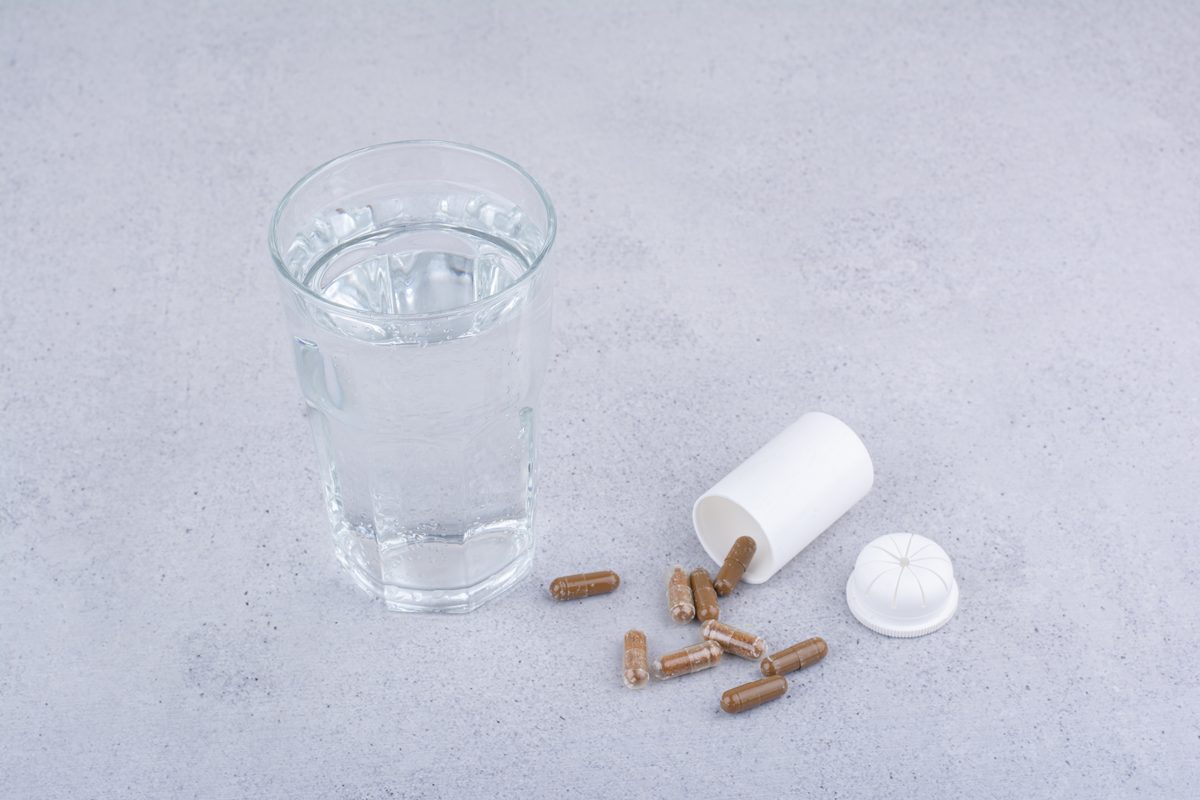
In 2015 EFSA confirmed a tolerable upper intake level of 250 mg a day for added magnesium: dissociable salts (chloride, sulphate, lactate, etc.) and magnesium oxide, taken as supplements or added to drinks and foods. It is based on the absence of diarrhoea at this level of additional intake and applies to anyone over 4 years old, Anses notes. Magnesium naturally present in food is not part of this calculation.
The first sign of an excess is therefore digestive: loose stools, diarrhoea. Severe forms (accumulation in the blood) mainly affect people whose kidneys work poorly. Everything is detailed in our guide too much magnesium: symptoms and maximum dose.
Which form should you choose?
Supplements come as oxide, chloride, citrate, lactate, bisglycinate, glycerophosphate and so on. Bisglycinate and citrate are often presented as better tolerated than oxide, but we found no official opinion ranking these forms against each other. What is established is that magnesium salts can cause diarrhoea: this is precisely the effect on which EFSA based its limit. Above all, remember to look at the amount of elemental magnesium per dose (not the weight of the salt) and to stay under 250 mg a day without medical advice. Our best magnesium supplement comparison details the products, their form and their actual dose.
And vitamin B6?
Many supplements combine magnesium and vitamin B6, claiming that it improves absorption. We found no official source confirming this benefit, so we cannot recommend it as a selection criterion.
Common myths about magnesium
« Most French people are short of magnesium »
This needs nuance. The Anses adequate intake was set precisely from the average consumption observed in France. Part of the population is below it, of course, but the message « everyone is deficient » rests on no official figure that we could find.
« Chocolate is the best source »
70% dark chocolate is rich (200 mg per 100 g), but pumpkin seeds contain three times as much, and a plate of pulses or wholegrains provides as much as a square of chocolate, without the sugar.
« A one-month course recharges your batteries »
None of the reviews cited above shows an effect on fatigue in a person without a deficiency. The authorised claims describe the role of the nutrient, not a promise of energy.
Magnesium-rich recipes
Stock up with the lentil and spinach dahl, date, almond and cocoa energy balls or an oat porridge with red berries sprinkled with pumpkin seeds. Homemade hummus, with its sesame tahini and chickpeas, is also a good ally.
Precautions
- If you have kidney failure, do not take a magnesium supplement without medical advice.
- Add up all sources of added magnesium: supplement, very magnesium-rich water, magnesium-based laxatives or antacids.
- If you take long-term medication, ask your pharmacist whether the supplement needs to be taken at a different time.
- Cramps, tiredness or palpitations that last warrant a medical consultation, not self-medication.
To go further, explore our micronutrition guides.
💼 Careers & guidance: interested in this field professionally? Discover our career profiles: micronutritionist.
Frequently asked questions
How much magnesium a day?
Anses sets an adequate intake of 380 mg a day for men and 300 mg for women, including during pregnancy and breastfeeding. These figures include all food sources.
Which food is highest in magnesium?
Among everyday foods, pumpkin seeds (592 mg per 100 g according to Ciqual), then sunflower seeds, flaxseeds and chia seeds, cashew nuts and almonds. Wheat bran and cocoa powder are even richer, but little is eaten.
Does magnesium help with cramps?
Not for night-time cramps of unknown cause in older adults: the 2020 Cochrane review finds no significant difference from placebo.
Can you take too much magnesium?
Yes, through supplements. EFSA sets the limit at 250 mg a day of added magnesium. Beyond that, diarrhoea is the most common effect. Severe forms mainly affect people with kidney failure.
Do you need more magnesium during pregnancy?
No, according to Anses and EFSA: the adequate intake stays at 300 mg a day. EFSA considers that the slight rise in need is offset by adaptation mechanisms, including during breastfeeding, when about 25 mg a day passes into the milk.
Does coffee provide magnesium?
A little. Ciqual gives 391 mg per 100 g of instant coffee powder, but a cup contains only a few grams of powder: the amount per cup stays low, in the order of a few milligrams. It is not a reason to drink more.
Which water is highest in magnesium?
Among common waters, Rozana (160 mg per litre) and Hépar (119 mg per litre) according to Ciqual. Also check their sodium and sulphate content.
This article is for information only and does not replace the advice of your doctor or a dietitian.
Our sources
- Anses. Avis et rapport d’expertise collective relatifs à l’actualisation des références nutritionnelles françaises en vitamines et minéraux (saisine 2018-SA-0238). March 2021.
- Anses. Table de composition nutritionnelle des aliments Ciqual. 2025.
- European Commission. Regulation (EU) No 432/2012 establishing a list of permitted health claims made on foods. Official Journal of the European Union, 2012.
- Garrison SR, Korownyk CS, Kolber MR et al. Magnesium for skeletal muscle cramps. Cochrane Database of Systematic Reviews, 2020. PMID 32956536.
- Dong JY, Xun P, He K, Qin LQ. Magnesium intake and risk of type 2 diabetes: meta-analysis of prospective cohort studies. Diabetes Care, 2011. PMID 21868780.
- Boyle NB, Lawton C, Dye L. The Effects of Magnesium Supplementation on Subjective Anxiety and Stress: A Systematic Review. Nutrients, 2017. PMID 28445426.
- Mah J, Pitre T. Oral magnesium supplementation for insomnia in older adults: a Systematic Review and Meta-Analysis. BMC Complementary Medicine and Therapies, 2021. PMID 33865376.