Famille d'aliments · Nuts & seeds
nuts & seeds: packed with nutrients.
Almonds, walnuts, hazelnuts, pistachios, cashews, chia, flax and pumpkin seeds… Nuts and seeds are among the most nutrient-dense foods there are: plant protein, good fats, fibre, vitamins, minerals and antioxidants. A small handful a day is enough to transform your diet. Here is how to choose them well and fit them in.
Foods in the group
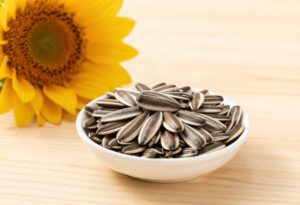

True nutritional powerhouses
Per 100 g, nuts and seeds are probably the foods that provide the widest range of nutrients. A handful of almonds a day means: 6 g of protein, 3 g of fibre, calcium, magnesium, vitamin E and good unsaturated fats. A tablespoon of chia seeds gives you more calcium than a glass of milk, plus plenty of plant-based omega-3.
They are emblematic foods of the Cretan diet and of all the longevity diets studied around the world (the “Blue Zones” diets).
The health benefits
Well-recognised cardiovascular protection
Regular consumption of nuts (around 30 g a day) is associated with a 20 to 30% reduction in the risk of cardiovascular disease, according to meta-analyses. Unsaturated fatty acids, antioxidants and fibre are responsible.
A beneficial effect on weight
Contrary to popular belief, nuts do not make you put on weight when eaten in reasonable amounts. Rich in protein and fibre, they keep you full for a long time and are a good replacement for processed snacking.
Brain support
Walnuts in particular are especially good for the brain, thanks to their omega-3 ALA and polyphenol content. The kernel’s resemblance to a brain is just a coincidence, but the benefit is very real.
Sources of hard-to-find minerals
Magnesium (almonds, cashews), selenium (Brazil nuts), zinc (pumpkin seeds), calcium (sesame seeds, almonds): nuts and seeds fill common gaps in the modern diet.
Which ones to choose
- Almonds: magnesium, calcium, fibre. Versatile and easy to add anywhere.
- Walnuts: omega-3 ALA, polyphenols. Best once a day.
- Hazelnuts: vitamin E, polyphenols, a good protein/fat ratio.
- Cashews: magnesium, iron, zinc. Milder in taste.
- Pistachios: protein, lutein for the eyes. Eat them in their shells to slow down your eating.
- Brazil nuts: THE source of selenium. 2 a day is enough (3 to 4 at most so as not to overdo it).
- Chia, flax and hemp seeds: plant-based omega-3, fibre, to sprinkle on everything
- Pumpkin, sunflower and sesame seeds: zinc, iron, calcium
Raw, toasted or roasted?
Plain, unsalted versions are best for your health. Dry-toasted nuts keep most of their nutrients, but lose some of their heat-sensitive vitamin E. Steer clear of shop-bought salted and caramelised versions: because of the heavy addition of salt, sugar and oils, they amount to empty calories.
How to fit them into your day
- At breakfast: almonds or walnuts in an oat porridge, chia seeds in a yoghurt
- As a snack: a small handful of nuts (25 to 30 g) with a piece of fruit
- In salads: walnuts, pumpkin seeds, sunflower seeds
- As a topping: on soups, vegetarian bowls, ratatouille
- As a butter: almond, hazelnut or peanut butter (no added sugar) on bread or in a sauce
- Ideal after exercise: see our ideas for high-protein snacks
How much per day?
A small handful (25 to 30 g) a day is a reasonable target. Beyond that, the calorie intake becomes significant and can tip your energy balance if you do not compensate elsewhere. Nuts are not a “magic food” to eat without limit: they are an excellent food to eat in moderation.
Going further
Nuts and seeds go wonderfully with pulses and cereals in a mostly plant-based diet. For athletes and people cutting back on meat, they are one of the pillars to include without fail. See also our advice on nutrition for fitness.
Guides to read

Bone health: preventing osteoporosis through diet

Liver Health: Friendly Foods and the Truth About Detox
Gluten-free eating: a guide to flours and alternatives

Keto and low-carb diet: principles and foods

DASH Diet: Lower Your Blood Pressure Through Food

The Cretan Diet: Good for Your Heart

How many seeds per day? What 30 g of each seed provides
