Foods high in vitamin D: the ranking by real portion
The short answer
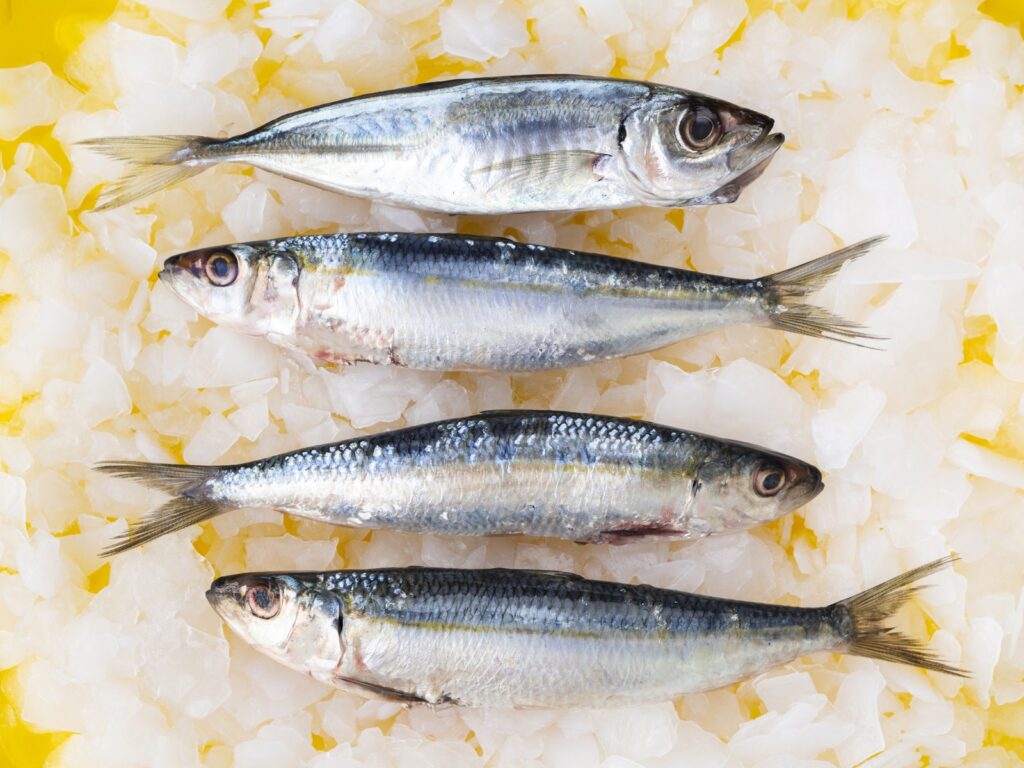
The smoked herring comes first with 22 µg of vitamin D per 100 g, or 147% of the daily reference of 15 µg. Greenland halibut, tilapia, cod liver and trout follow. The finding is clear: outside fish, almost no food provides vitamin D in a useful amount. Two eggs give 1.3 µg, a large glass of unfortified milk next to nothing.
The ranking, sorted by what a portion really provides
| Food | Portion | Vitamin D | Share of 15 µg | Calories |
|---|---|---|---|---|
| Smoked herring | 100 g | 22 µg | 147% | 167 kcal |
| Greenland halibut | 100 g | 21.2 µg | 141% | 168 kcal |
| Tilapia | 100 g | 19.6 µg | 131% | 92 kcal |
| Swordfish, cooked | 100 g | 16.6 µg | 111% | 266 kcal |
| Cod liver, tinned | 30 g | 16.3 µg | 109% | 130 kcal |
| Rainbow trout, cooked | 100 g | 15 µg | 100% | 143 kcal |
| Pilchards in tomato sauce, tinned | 100 g | 14 µg | 93% | 157 kcal |
| Pickled herring | 100 g | 13.2 µg | 88% | 189 kcal |
| Sardines in tomato sauce, tinned | 100 g | 12.5 µg | 83% | 194 kcal |
| Sardine, grilled | 100 g | 12.3 µg | 82% | 194 kcal |
| Herring, grilled | 100 g | 10.8 µg | 72% | 193 kcal |
| Mackerel, baked | 100 g | 7.7 µg | 51% | 228 kcal |
| Gilt-head bream | 100 g | 7.2 µg | 48% | 96 kcal |
| Smoked salmon | 50 g | 2.7 µg | 18% | 92 kcal |
| Tuna, cooked | 100 g | 1.8 µg | 12% | 136 kcal |
| Soft-boiled eggs | 2 eggs, 100 g | 1.3 µg | 9% | 142 kcal |
Oily fish, and a few surprises
Herring, trout, sardine, pilchard: one portion of these fish covers between 72 and 147% of the reference. Two surprises in Ciqual: tilapia, a lean fish at 92 kcal, provides 19.6 µg, and farmed trout reaches the reference on its own. Mackerel, often cited, covers only half of it, and cooked tuna barely 12%.
Tinned fish does as well as fresh
Tinned sardines in tomato sauce provide 12.5 µg per 100 g, grilled sardine 12.3 µg. A tin of sardines or pilchards remains the cheapest and simplest way to cover the reference.
Outside fish, very few sources
| Food | Portion | Vitamin D | Share of 15 µg |
|---|---|---|---|
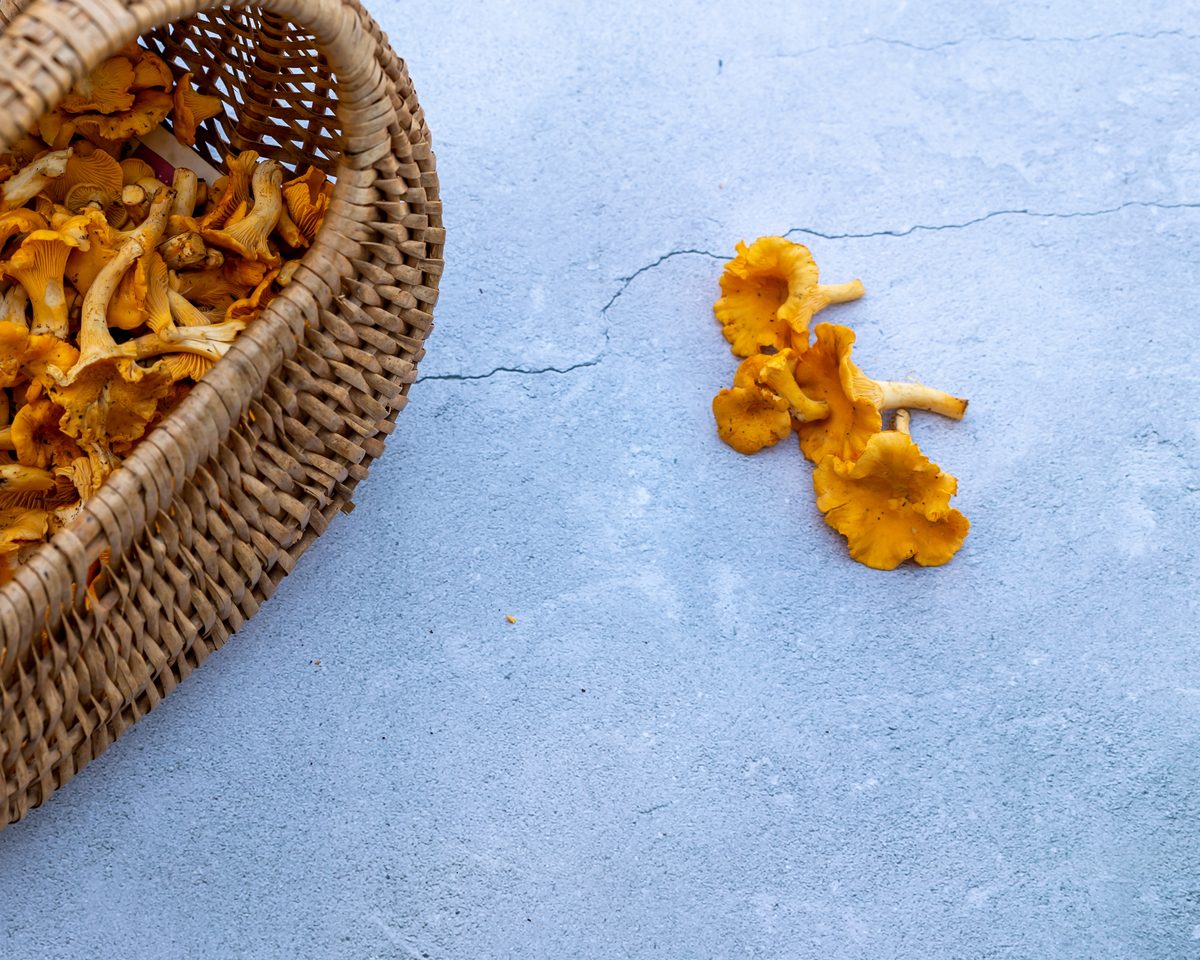
| Chanterelles, raw | 150 g | 8 µg | 53% |
| Porcini, raw | 150 g | 4.7 µg | 31% |
| Semi-skimmed milk fortified with vitamin D | 250 ml | 2 µg | 13% |
| Eggs | 2 eggs, 100 g | 1.3 µg | 9% |
| Button mushrooms | 150 g | 0.5 µg | 3% |
| Semi-skimmed milk, unfortified | 250 ml | less than 0.4 µg | less than 3% |
Wild mushrooms, chanterelles and porcini, are the only notable plant source, but a seasonal one. The button mushroom, grown away from light, contains almost none. Fortified milks and yoghurts provide a top-up, the others practically nothing. For a vegan diet, food alone is therefore not enough to reach the reference.
How much vitamin D per day
Anses sets an adequate intake of 15 µg per day for the whole population from the age of one, pregnancy and breastfeeding included. The safety limit is 100 µg per day from the age of 11, and 50 µg from 1 to 10.
Unlike other vitamins, food is not the only source: the skin makes vitamin D under the effect of sunlight. But without fish on the menu, 15 µg per day is out of reach from your plate: you would need more than twenty eggs. The PNNS (the French national nutrition and health programme) recommends fish twice a week, one of them an oily fish: that is what does most of the work. Who should consider a supplement, and at what dose, is explained in our guide vitamin D: role, deficiency and supplementation, and the products are compared in our vitamin D comparison.
Cod liver oil contains 250 µg per 100 g according to Ciqual: a 5 g teaspoon provides about 12.5 µg. It is a supplement more than a food, not to be combined with other sources without medical advice.
Frequently asked questions
Which food is richest in vitamin D?
Per 100 g, tinned cod liver, with 54.3 µg. Per portion, smoked herring: 22 µg per 100 g, or 147% of the reference.
Which fish is richest in vitamin D?
Smoked herring, Greenland halibut and tilapia, all above 19 µg per 100 g. Trout and sardines follow.
Are eggs rich in vitamin D?
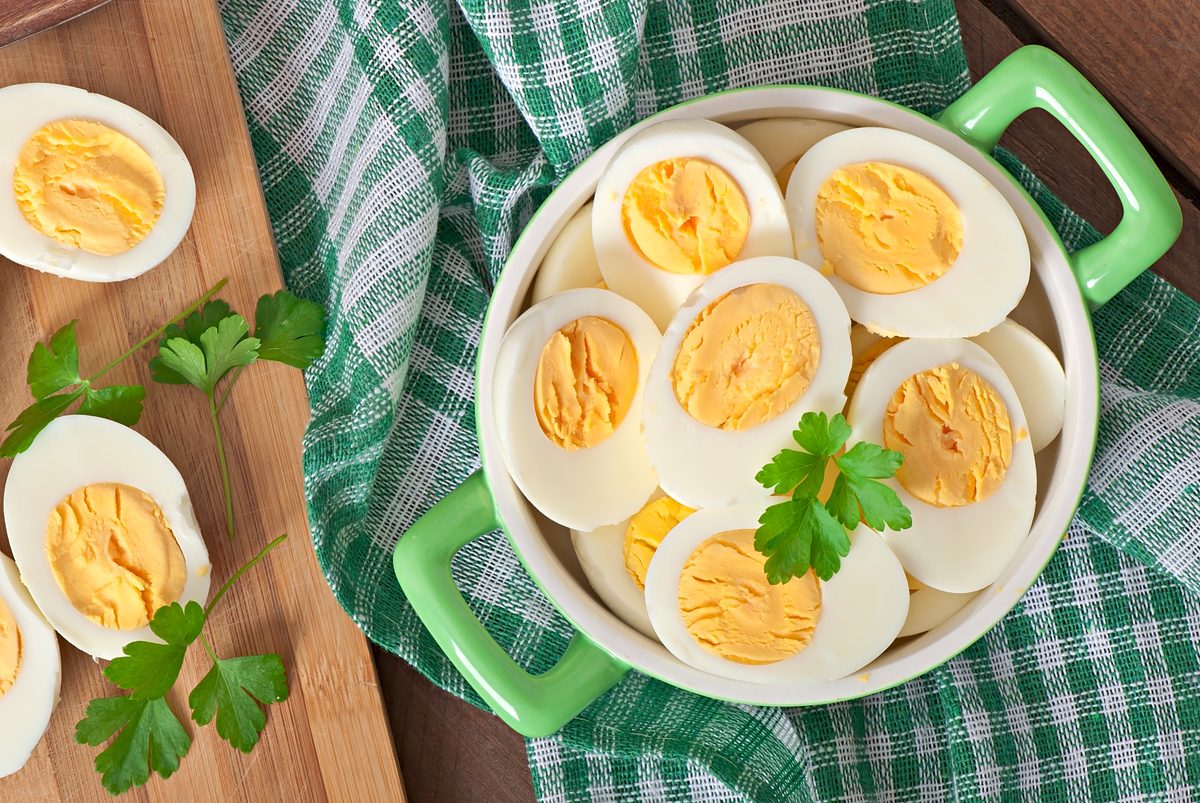
Not very: two eggs provide about 1.3 µg, or 9% of the reference. You would need more than twenty to reach 15 µg.
Is there vitamin D in plant foods?
Almost none. Only wild mushrooms contain any: 5.3 µg per 100 g in raw chanterelle, 3.1 µg in porcini. The button mushroom has only 0.3 µg.
Does milk contain vitamin D?
Unfortified milk, practically none: less than 0.15 µg per 100 g. Fortified milk provides 0.78 µg, or about 2 µg per large glass.
How much vitamin D per day?
Anses sets 15 µg per day from the age of one, with a safety limit of 100 µg per day for adults and teenagers.
The other rankings
Same method, based on the Ciqual table: foods high in iron, foods high in magnesium, foods high in potassium, foods high in calcium, foods high in zinc, foods high in selenium, foods high in iodine, foods high in vitamin B12, foods high in vitamin C, foods high in omega-3, highest-protein foods, vegetables high in fibre, least sugary fruits.
Our sources
- Ciqual 2025 table (Anses), Vitamin D column in µg/100 g, cross-checked with the site’s food pages. Portions are shown in each table.
- Anses, Nutritional reference values for vitamins and minerals (in French), March 2021.