Empty Calories: Health Effects and Alternatives

Do you often feel tired despite eating plenty? Empty calories, found in fizzy drinks, crisps, ready meals and alcohol, could be the cause. These foods provide energy without any vitamins, minerals or fibre, which leads to a nutritional imbalance. Eating too much of them promotes weight gain, deficiencies and a higher risk of diabetes or high cholesterol. Find out how to read food labels to spot these traps, while following the WHO recommendation (free sugars limited to 10% of daily energy intake) and choosing simple alternatives such as fresh fruit or nuts.
👉 Free tool: Calorie needs – calculate it in 30 seconds, no sign-up.
- What is an empty calorie? Definition and explanation
- Where do empty calories hide? The foods to watch
- What are the risks of a diet rich in empty calories?
- The empty calorie concept: a notion that needs nuance
- How to cut down on empty calories day to day: our practical tips
- Towards a more balanced diet: the key recommendations
What is an empty calorie? Definition and explanation
An empty calorie, or hollow calorie, is energy supplied by foods without essential nutrients. These products, such as fizzy drinks or processed snacks, deliver calories in the form of sugar or fat, but lack vitamins, minerals or fibre.
By contrast, nutrient-dense foods such as vegetables and wholegrain cereals provide energy and micronutrients. This distinction rests on nutrient density, the ratio of nutrients to calories.
The fundamental difference: energy without nutrients
An empty calorie is an energy intake with no benefit. It comes from foods high in sugar or fat, but with no vitamins, minerals, fibre or protein. It is like filling a tank without servicing the engine: the energy is there, but the body lacks the elements it needs to use it.
Essential nutrients are vital: vitamins regulate bodily functions, minerals strengthen bones and muscles, and fibre supports digestion. Their absence in empty calories leads to imbalances, even when calorie intake is sufficient.
“Full” calories: the concept of nutrient density
Foods with a high nutrient density provide the most nutrients per calorie. Broccoli provides vitamins C and K, fibre and antioxidants, unlike a fizzy drink. This density is measured by the micronutrient content (vitamins, minerals) per 100 calories.
As early as 1816, François Magendie showed that animals fed only on empty calories died within 30 to 40 days, demonstrating that energy alone is not enough to survive.
Fruit, vegetables, lean protein and wholegrain cereals are all among the “full” calories. Eating them regularly reduces the risk of deficiencies and supports a balanced metabolism, unlike processed foods.
Where do empty calories hide? The foods to watch
Sugary products and added fats
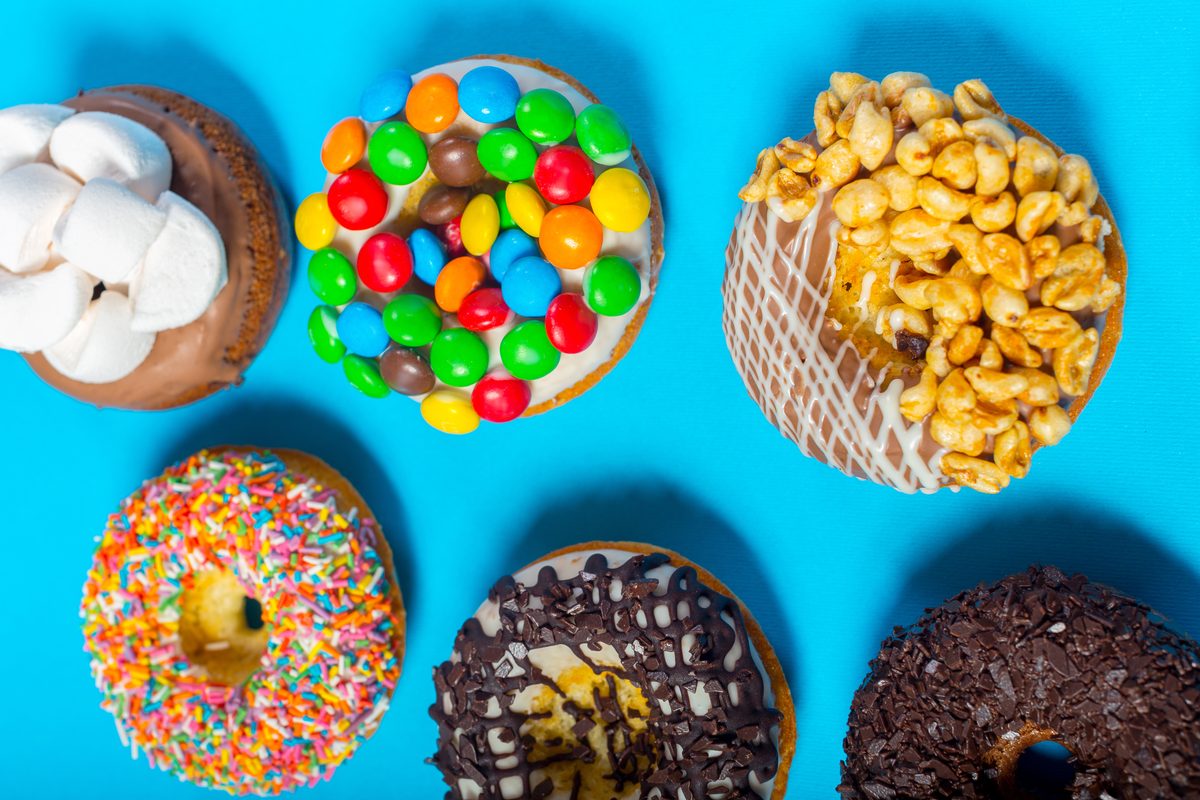
Sweets, shop-bought cakes and biscuits are major sources of empty calories. They provide energy through sugar and fat, but lack vitamins, minerals or fibre. Chips, crisps and refined oils add saturated fat with no nutritional value.
A 50 g chocolate bar can reach 250 calories, with 80% from sugar and fat. Even “light” biscuits often hide saturated fat and refined sugars.
Choose fresh fruit or unrefined vegetable oils. Dried fruit, despite its sugar, also provides fibre and minerals.
Drinks: fizzy drinks, alcohol and shop-bought juices
A 33 cl can of fizzy drink contains on average 130 calories with no nutrients. Shop-bought nectars have a similar profile: 120 calories for 250 ml of orange juice, the equivalent of 3 spoonfuls of sugar.
Alcohol is a major source of empty calories: 7 kcal per gram. A glass of wine (150 ml) delivers 100-150 calories, with no nutritional benefit. Light beer (125 ml) reaches 50 calories.
Choose water, herbal teas or homemade juices made with whole fruit to keep the fibre and vitamins. A squeeze of lemon in water is an alternative with no empty calories.
Ultra-processed foods: the everyday trap
Industrial products often combine sugar, salt and fat. Frozen pizzas, cheap cured meats and shop-bought sauces are examples. A “four cheese” pizza can come to 300 calories per quarter pizza, with 12 g of fat.
- Sugary products: sweets, shop-bought cakes, biscuits, chocolate bars.
- Drinks: fizzy drinks, energy drinks, nectars, squashes, alcohol.
- Savoury snacks: crisps, cheese crackers, pretzels.
- Processed foods: ready meals, ready-made sauces, cured meats.
Read the labels: a long list of ingredients or high levels of “of which sugars” signal empty calories. Choose home cooking with wholewheat pasta, fresh vegetables and grilled chicken rather than a frozen meal.
What are the risks of a diet rich in empty calories?
Weight gain, overweight and obesity
Empty calories come mainly from sugars and fats. They provide energy without lasting fullness. If this energy is not burned off, it is stored as fat. A can of fizzy drink (around 150 calories) contains only sugar, unlike a calorie-equivalent portion of plain Greek yoghurt, which is rich in protein and calcium. Shop-bought pastries, high in sugar and fat, illustrate the risk: a slice of apple tart (400-500 calories) provides only empty calories, whereas a banana (120 calories) provides potassium, magnesium and fibre.
Regularly eating foods such as fizzy drinks or pastries promotes weight gain. According to the WHO, fat should not exceed 30% of total energy intake, and free sugars should stay under 10% (ideally 5%). Going over these limits increases the risk of obesity, with studies showing a 1.6 times higher risk for people who drink fizzy drinks every day. Fried foods (chips, crisps) make matters worse by combining empty calories with saturated fat.
The risk of nutritional deficiencies
A diet dominated by empty calories creates a paradox: a person can be overweight and still suffer from deficiencies. These foods lack vitamins, minerals and fibre. A lack of iron causes anaemia, and a vitamin C deficiency weakens immunity. A historic 1816 study showed that animals fed only on empty calories died within 30-40 days, proving that energy alone is not enough to sustain life.
This imbalance leads to fatigue, digestive problems and weaker immunity. Fibre deficiency, present in 90% of empty-calorie foods, also explains chronic constipation. Vitamin D deficiencies, common among people who drink alcohol, increase the risk of osteoporosis, while a lack of magnesium disrupts sleep and promotes anxiety.
Impact on chronic diseases
Eating too many empty calories raises the risk of:
- Type 2 diabetes, linked to excess blood sugar and insulin resistance
- High blood pressure linked to the hidden salt in snacks (e.g. 100 g of crisps = 1 g of salt)
- Excess LDL cholesterol (“bad cholesterol”), linked to the saturated fat in fried foods
- Cardiovascular problems accelerated by chronic inflammation
A diet made up mostly of empty calories carries a double risk: weight gain and nutritional deficiencies.
These foods disrupt metabolism. Vitamin D or iron deficiencies promote infections, chronic fatigue and mood disorders. Alcohol, a major source of empty calories, blocks the absorption of vitamin B1, which is essential for the nervous system, and of zinc, which is key for male fertility. Shop-bought sauces (ketchup, mayonnaise) add hidden salt and sugar to the picture, amplifying cardiovascular risks.
The empty calorie concept: a notion that needs nuance
A view of food that is sometimes too narrow
The term “empty calorie” can oversimplify our relationship with food. Every calorie provides energy, but the problem lies in excess or an overall imbalance. Occasionally eating treat foods is compatible with a balanced diet. What matters is prioritising the overall nutritional quality of your everyday meals. Studies, such as the one by François Magendie in 1816, show that energy-rich foods without nutrients (sugar, butter) are not enough to survive on, underlining that a diet is not limited to its energy density.
The difference to know: empty calories vs negative calories
So-called negative-calorie foods, such as celery, chicory or cucumber, are supposed to take more energy to digest than they provide. This concept remains theoretical and debated. Unlike empty calories (very high in calories and devoid of nutrients), these foods are low in calories and rich in water or fibre. However, none of them actually burns more calories than it provides. Their value lies in their low energy density, which promotes fullness without excess calories. Diets based on these foods, combined with exercise, can support weight loss thanks to their fibre content and filling effect.
How to cut down on empty calories day to day: our practical tips
Learn to read food labels
To spot empty calories, read the labels. A short, simple list of ingredients is better. Be wary of terms such as “glucose-fructose syrup” or “maltodextrin”, which are hidden sugars: 75% of processed products use them. For example, a fruit yoghurt can contain 15 g of sugars per 100 g, part of it in the form of corn syrup. The nutrition table shows “saturated fat” and “of which sugars”: indicators of low nutritional quality. An instant soup can contain 18 g of saturated fat per 100 g, often from partially hydrogenated fats.
- Check the sugar content: above 15 g/100 g, the calories are probably empty (e.g. fizzy drinks with 10 g sugar/100 ml). Breakfast cereals often reach 25 g/100 g.
- Spot hidden sugars: dextrose, corn syrup or concentrated fruit juice in fruit yoghurts (50% of products). Energy bars often contain them under the name “natural flavourings”.
- Look at the fat: choose products with <10 g of saturated fat/100 g. Avoid “partially hydrogenated vegetable fats”, which are linked to cardiovascular disease.
Comparison: empty-calorie food vs nutrient-dense food
| Feature | Chocolate bar (30 g) | Handful of almonds (25 g) |
|---|---|---|
| Calories | ~ 150 kcal | ~ 150 kcal |
| Protein | ~ 1.5 g | ~ 5 g |
| Fibre | < 1 g | ~ 3 g |
| Vitamins and minerals | Very low | Rich in vitamin E, magnesium, manganese |
| Added sugars | ~ 15 g | 0 g |
Almonds provide 3 times more protein, 3 times more fibre and essential micronutrients. A chocolate bar mainly provides fast sugars, responsible for a blood sugar spike followed by fatigue. The fibre in almonds slows the absorption of sugars and improves fullness, reducing snacking.
Choose homemade food and healthy alternatives
Homemade recipes let you control the ingredients. A banana and almond smoothie (1 banana, 10 almonds, 150 g of plain yoghurt) replaces sugary drinks. Energy balls (50 g of rolled oats, 30 g of crushed walnuts, 2 tbsp of honey) avoid shop-bought bars. For quick meals, go for carrot sticks with homemade hummus (200 g of chickpeas, 2 tbsp of olive oil, 1 tbsp of lemon juice).
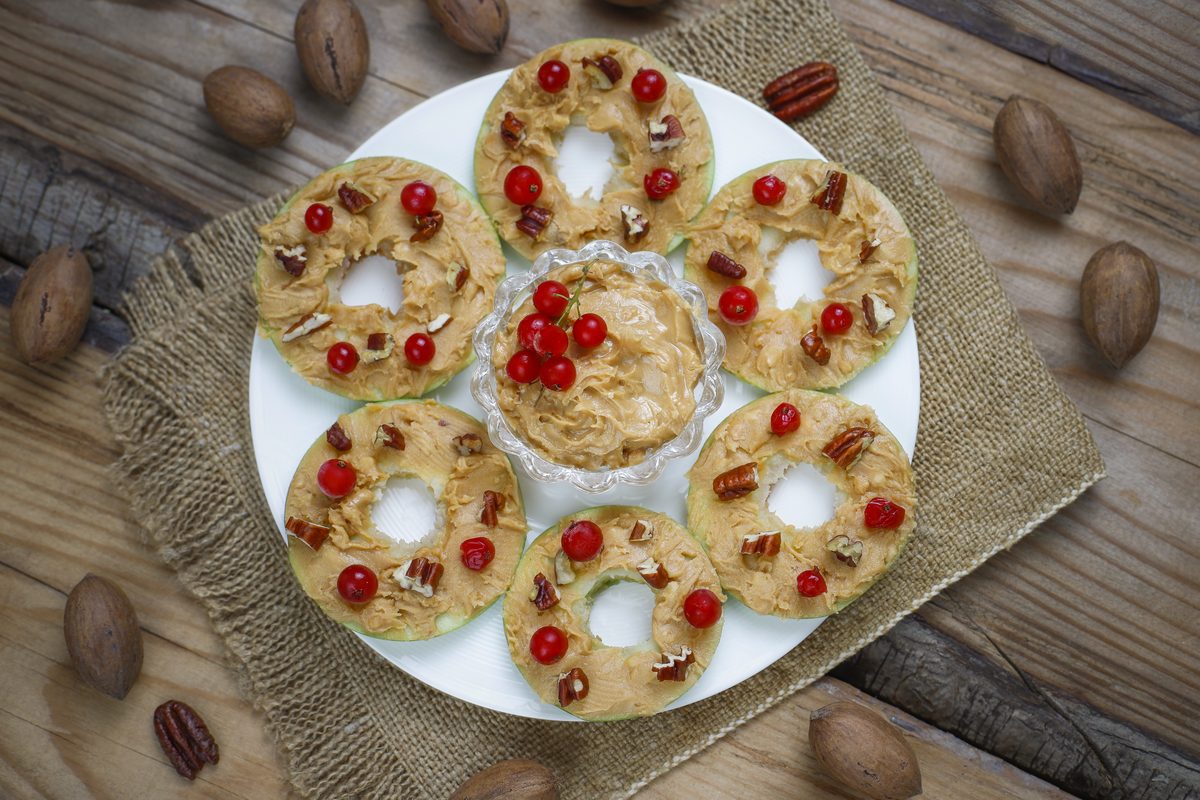
- A piece of fresh fruit (apple, banana)
- A handful of nuts (almonds, walnuts)
- Plain yoghurt or fromage frais
- Raw vegetables (carrot, celery) with hummus
- Dark chocolate >70% cocoa
Homemade snacks such as beetroot hummus (200 g of chickpeas, 1 cooked beetroot, 2 tbsp of olive oil) served with cucumber sticks provide nutrients without excess sugar. An oven-baked oat cookie (100 g of rolled oats, 1 tbsp of honey) is a simple alternative to shop-bought biscuits.
Towards a more balanced diet: the key recommendations
WHO guidelines on sugars and fats
Empty calories often come from excess sugars and fats. The World Health Organization (WHO) recommends limiting free sugars to 10% of daily energy intake (50 g for an adult), ideally 5% (25 g). A can of fizzy drink can contain up to 40 g of sugar, exceeding these limits. For fat, the WHO advises not exceeding 30% of calorie intake. In France, children consume 15% of their energy as free sugars on average, compared with 11.5% for adults.
Balance above all: enjoy in moderation
There is no need to ban empty calories entirely. Pleasure and sharing meals with others remain essential. Adopt simple habits: prefer homemade dishes, read the labels, choose nutritious snacks (fruit, nuts), and limit alcohol and fizzy drinks. A glass of water or a herbal tea can replace a sugary drink. Balance rests on variety and moderation.
Empty calories, found in sugary and fatty foods, provide energy without nutrients, leading to weight gain and deficiencies. The WHO recommends sugars <10% and fat <30% of energy intake. Choosing fresh foods, cooking at home and reading labels allows you to cut back through moderation. Balance, the key to a healthy diet, rests on informed choices.
FAQ
What are empty calories?
Empty calories are foods or drinks that provide energy (measured in kcal) but contain little or no essential nutrients such as vitamins, minerals, fibre, protein or fatty acids. They come mainly from added sugars, saturated or trans fats, and alcohol. For example, a 330 ml can of fizzy drink contains around 130 kcal from sugar, with no significant supply of micronutrients.
The foods concerned include fizzy drinks, shop-bought cakes, crisps, ready meals and alcoholic drinks. These products are often processed and combined with other additives.
Which food has 0 calories?
Strictly speaking, zero-calorie foods do not exist, but some provide a negligible amount. This is the case for vegetables with a very high water content such as cucumber (about 16.8 kcal/100 g), chicory (17 kcal/100 g) or asparagus (20.7 kcal/100 g). Drinks such as water, unsweetened tea or black coffee provide no calories. Reduced-sugar or reduced-fat products can also be very low in calories.
Note that so-called “negative-calorie” foods (such as celery) require energy to digest, but this expenditure is tiny compared with the calories they provide.
What is a hollow calorie?
The term “hollow calorie” is a synonym for “empty calorie”. It refers to calories that do not contribute to the body’s nutritional needs. For example, a 100 g filled biscuit can contain 500 kcal, but only sugars and fat with no vitamins or fibre. These calories promote an unbalanced diet if they replace nutritious foods.
This concept is used to raise awareness of the risks of a diet too rich in ultra-processed products.
Can you lose weight with empty calories?
Eating too many empty calories makes weight loss difficult. These foods are often high in calories and not very filling, which encourages you to exceed your daily needs. For example, 100 g of crisps (547 kcal) does not give the same fullness as 100 g of green vegetables (25-30 kcal). However, occasionally eating empty calories as part of a balanced diet does not prevent weight loss as long as your overall intake is lower than your energy expenditure.
To lose 4 kg, for example, you would need a deficit of 35,000 kcal over several weeks, combining a balanced diet with physical activity.
Is 0 calories possible?
Foods with 0 calories do not exist in practice, but some come close. For example, 100 g of cos lettuce provides 15 kcal, and 100 g of clear, fat-free soup less than 10 kcal. Artificial sweeteners (stevia, aspartame) and sugar-free gum are sold as “zero calorie”, but they sometimes contain traces of carbohydrate.
Sugar-free fizzy drinks or reduced-sugar yoghurts can show 0 kcal thanks to substitutes, but their regular consumption is still debated in nutrition.
Which food contains no calories?
The only foods close to 0 kcal are very watery vegetables (cucumber, lettuce), pure spices (depending on the quantities), and unsweetened drinks (water, tea). For example, 100 g of cucumber (96% water) provides 15 kcal. Supplements such as pure vitamins or minerals provide no calories, but they are not considered foods.
Products labelled “zero calorie” should be checked on the label: European regulations allow this term if the content is below 4 kcal/100 g.
Which snack does not make you put on weight?
A balanced snack favours foods that are low in calories but rich in nutrients. Examples: a handful of nuts (15 g = 90 kcal), carrot sticks with hummus (50 kcal for 100 g of carrot + 50 kcal of hummus), or a plain unsweetened yoghurt (70 kcal/100 g). Fresh fruit (apple, orange) or unsweetened wholegrain cereals are also options.
To avoid: processed snacks (crisps, chocolate bars) where 30 g can exceed 150 kcal with little fibre or protein.
Which snack contains zero calories?
No snack has zero calories, but some are practically negligible. For example, 100 g of clear soup (about 10 kcal) or a cup of brewed green tea (0 kcal without sugar). Foods with a very low energy density, such as chicory (17 kcal/100 g), can be eaten in large quantities without a significant impact.
For a filling effect, pair these foods with protein or fibre: for example, celery sticks with guacamole (1 tablespoon = 45 kcal).
Which diet should you follow to lose 4 kg?
To lose 4 kg in 4 to 8 weeks, a reduced-calorie diet combined with physical activity is recommended. Example: cut your intake by 500 kcal/day for a deficit of 3,500 kcal/week. Prioritise “full” calories: vegetables (100 g = 20-80 kcal), lean protein (eggs, chicken = 150-200 kcal/100 g), and wholegrain cereals (quinoa, 120 kcal/100 g cooked).
Avoid restrictive short-term diets. The WHO recommends slow weight loss (0.5-1 kg/week) by moderating foods high in empty calories (added sugars, saturated fat) and limiting alcohol (7 kcal/g). Medical supervision is advised for weight loss of more than 5 kg.
Read also
Food pages: Almond
Recipes to try: Vegetarian hummus and crudités wrap, Freekeh and vegetable salad, Banana and almond porridge


