Cheesecake in pregnancy: can you eat it safely?
The short answer
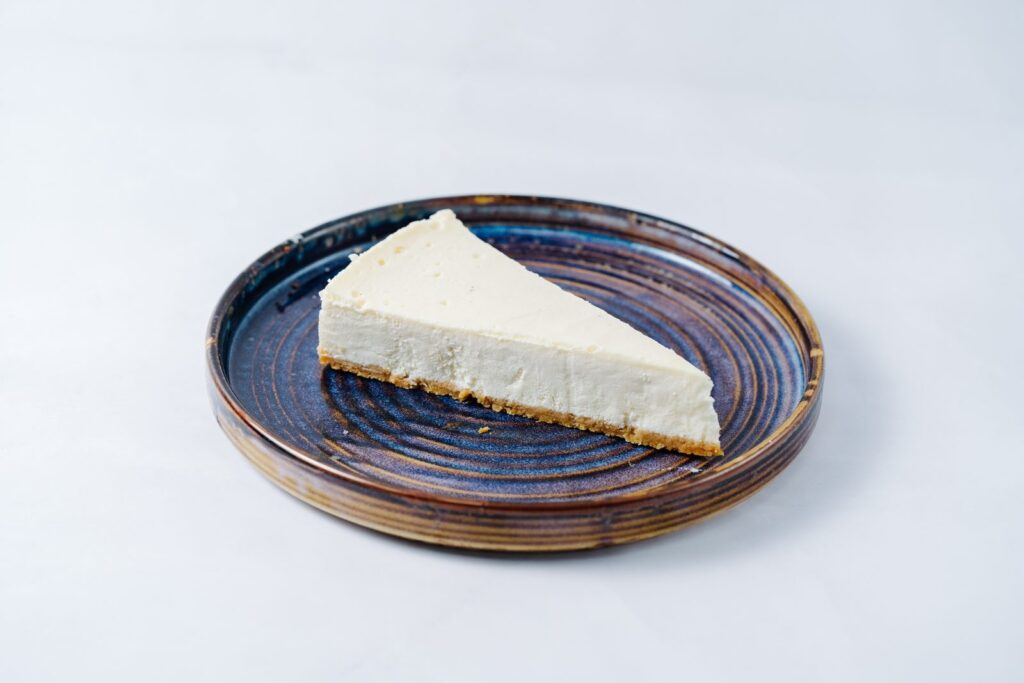
Yes, you can eat cheesecake while pregnant, as long as it is baked and made with pasteurised cheeses. Philadelphia-style cream cheese, ricotta, mascarpone and fromage blanc sold in supermarkets are pasteurised, and baking in the oven cooks the eggs. The risk comes from Listeria, a bacterium that can be found in raw-milk cheeses and multiply in the fridge, and from salmonella in raw eggs. So avoid no-bake cheesecake made with raw eggs, versions made with raw-milk cheese, and slices when you know neither the recipe nor the date.
These guidelines follow the official French recommendations. If you are unsure about a specific food, your midwife or doctor can advise you.
The real risk: listeriosis and salmonellosis
During pregnancy, two foodborne infections matter for a dessert like cheesecake:
- Listeriosis, caused by the bacterium Listeria monocytogenes. It is rare: fewer than fifty cases a year in pregnant women in France according to Santé publique France, a number divided by ten since the mid-1980s. But it is serious: the bacterium can cross the placenta, and a quarter of pregnancy-related cases end in stillbirth. A peculiarity of Listeria: it keeps multiplying in the fridge. Cooking destroys it.
- Salmonellosis, linked to raw or undercooked eggs. Manger Bouger lists chocolate mousse, tiramisu and homemade preparations made with raw eggs among the foods to avoid during pregnancy.
Toxoplasmosis, the other major infection monitored during pregnancy, does not concern cheesecake, unless it is topped with poorly washed fresh fruit.
The cheeses in cheesecake: which are safe?
| Cheese used | Pasteurised? | Pregnant |
|---|---|---|
| Philadelphia-style cream cheese | Yes, in supermarkets | 🟢 allowed |
| Spreadable fresh cheese, such as Saint Môret or Carré frais | Yes, in supermarkets | 🟢 allowed |
| Fromage blanc, petit-suisse | Yes, in supermarkets | 🟢 allowed |
| Mascarpone | Yes, in supermarkets | 🟢 allowed in a baked preparation |
| Ricotta | Yes, in supermarkets | 🟢 allowed |
| Farmhouse fresh cheese, faisselle or brousse made with raw milk | No | 🔴 avoid, except in a thoroughly baked preparation |
The rule is simple: read the label. The words « au lait cru » (raw milk) are mandatory on cheeses that contain it. All common industrial fresh cheeses are made from pasteurised milk.
Baked, no-bake, in a restaurant: the traffic light
| Version | Pregnant | Why |
|---|---|---|
| Homemade baked cheesecake, pasteurised cheeses | 🟢 yes | cooked eggs, pasteurised cheeses |
| Packaged shop-bought cheesecake, chilled aisle | 🟢 yes | controlled manufacture; respect the use-by date |
| Frozen cheesecake, defrosted in the fridge | 🟢 yes | eat soon after defrosting |
| No-bake cheesecake, egg-free, set with gelatine, pasteurised cheeses | 🟠 with conditions | no raw egg; make it yourself and eat it within 3 days |
| Cheesecake in a restaurant or pâtisserie | 🟠 with conditions | ask whether it is baked and whether it contains raw eggs |
| No-bake cheesecake with raw eggs | 🔴 avoid | risk of salmonella |
| Unbaked cheesecake made with raw-milk cheese | 🔴 avoid | risk of listeriosis |
| Slice that has been open for more than 3 days | 🔴 avoid | Listeria multiplies in the cold |
The classic New York cheesecake is baked in the oven: it is the safest version. The « no bake » cheesecake is more variable: some recipes use only fresh cheese, cream and gelatine, others raw whipped egg whites. If in doubt, choose the baked version.
New York, Basque, Japanese, no-bake: all the cheesecakes
There is not just one cheesecake but several families, which raise different questions during pregnancy:
| Type | Preparation | Pregnant |
|---|---|---|
| New York, baked | cream cheese, eggs, sugar, baked for a long time until the centre is set | 🟢 allowed with pasteurised cheeses |
| Japanese, soufflé | whipped whites and cheese, baked in a bain-marie | 🟢 allowed, well cooked |
| Basque, so-called burnt | baked in a very hot oven, deliberately runny in the centre | 🟠 with conditions: choose one that is well set in the middle |
| No-bake, set with gelatine or agar-agar, egg-free | fresh cheeses and cream, set in the fridge | 🟢 allowed if all the cheeses are pasteurised |
| No-bake, with raw eggs | raw beaten eggs folded into the cream | 🔴 avoid |
| Homemade frozen cheesecake | depends on the recipe | 🟢 without raw egg; 🔴 with raw eggs, which freezing does not make safe |
Basque cheesecake deserves particular caution: its signature is a creamy, almost liquid centre, which means the eggs in the middle are not completely cooked. During pregnancy, ask for it well cooked or choose another style.
What shop-bought cheesecakes contain
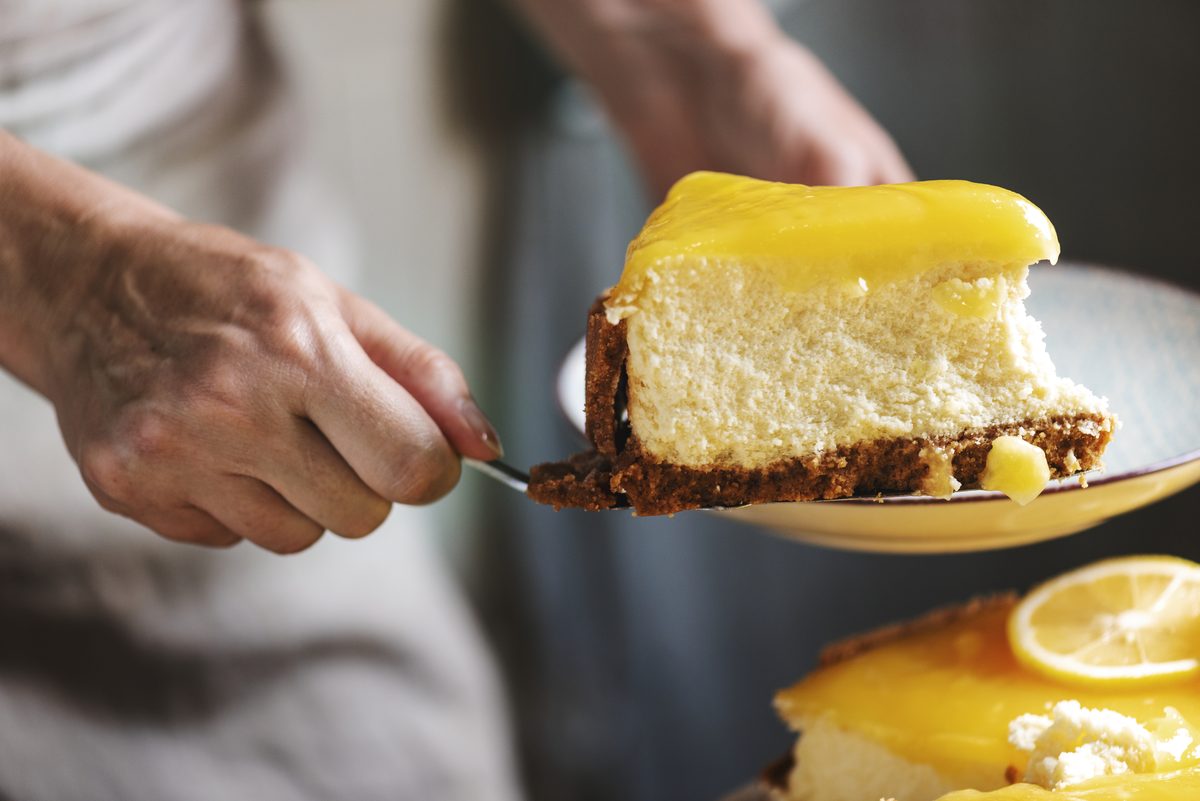
We recorded the ingredient lists of 28 cheesecakes sold in France, as shown on Open Food Facts:
| What you find on the label | Survey result |
|---|---|
| Eggs in the recipe | 27 out of 28, mostly baked cheesecakes |
| Gelatine, a sign of a cold-set recipe | 4 out of 28 |
| A « pasteurised » mention for an ingredient | 14 out of 28 |
| Alcohol | none |
| Sugars, most common value | 26.5 g per 100 g, from 19 to 35 g |
Unlike shop-bought tiramisus, most of which contain alcohol, the cheesecakes surveyed contain none, and almost all are baked recipes. A cheesecake from the chilled aisle, before its use-by date and kept cold, is therefore generally a good dessert choice during pregnancy. That leaves the sugar: around 26 g per 100 g, equivalent to the WHO’s ideal daily target for free sugars in a single slice.
How much and how often
Once the safety question is settled, cheesecake is still a rich dessert:
| Per slice | Calories | Sugars | Saturated fat | Calcium |
|---|---|---|---|---|
| Industrial cheesecake, 100 g | 337 kcal | 21.3 g | 11.4 g | 55 mg |
| Our lighter cheesecake, one slice | 258 kcal | less than the industrial version | less | more, thanks to the fromage blanc |
A slice of industrial cheesecake contains 21 g of sugars, almost the whole ideal daily budget of free sugars set by the WHO, around 25 g. During pregnancy, energy needs increase only slightly, especially in the third trimester. A slice now and then, as a dessert, is perfectly compatible; making it a daily snack is not. With gestational diabetes, cheesecake is one of the desserts to keep for special occasions: see our guide to eating during pregnancy.
Cream cheese, ricotta, fromage blanc: the cheeses compared
All pasteurised fresh cheeses sold in shops are fine during pregnancy. But they do not give the same cheesecake, either on the scales or for calcium. Here is what they provide according to Ciqual:
| 100 g of | Calories | Fat | Saturated fat | Protein | Calcium |
|---|---|---|---|---|---|
| Mascarpone | 369 kcal | 37.0 g | 25.9 g | 6.0 g | 130 mg |
| Spreadable fresh cheese, cream cheese type | 225 kcal | 20.7 g | 13.0 g | 6.3 g | 98 mg |
| Reduced-fat spreadable fresh cheese | 133 kcal | 7.5 g | 4.9 g | 10.8 g | 151 mg |
| Ricotta | not measured | 10.7 g | 7.4 g | 8.1 g | 314 mg |
| Plain petit-suisse, 4% fat | 88 kcal | 3.9 g | 2.7 g | 9.7 g | 103 mg |
| Plain fromage blanc, 2 to 3% | 76 kcal | 3.2 g | 2.1 g | 7.3 g | 131 mg |
| Plain fromage blanc, 0% | 48 kcal | less than 0.1 g | less than 0.15 g | 7.3 g | 150 mg |
Replacing half the cream cheese with fromage blanc divides the fat of that half by six, without changing anything about safety: both are pasteurised. Ricotta is the calcium champion, three times more than cream cheese. Mascarpone is the fattiest of the lot: it is the cheese of tiramisu more than of cheesecake. For the base, count the biscuits too: 100 g of speculoos provide 476 kcal and 32.5 g of sugars according to Ciqual.
Vegan cheesecake: beware of plant-based « cheeses »
Some lactose-free or vegan cheesecakes replace fresh cheese with a preparation based on cashew nuts, soya or plant-based drink. During pregnancy, Santé publique France does not recommend these cheese substitutes made from plant-based drinks: they can be contaminated with Listeria during manufacture, or if their storage temperature is not respected. They are not cooked, and the cold does not stop the bacterium.
If you cannot digest lactose, a baked cheesecake made with a lactose-free pasteurised fresh cheese remains a safer option than a raw version made with plant-based substitutes.
Storing, freezing, buying by the slice
- In the fridge: Anses recommends a fridge set to +4 °C at most. A homemade cheesecake keeps covered, on a shelf, and should be finished within three days.
- In the freezer: freezing a cheesecake is practical, but it does not make it safe. Santé publique France points this out about fish: freezing does not eliminate Listeria. Defrost it in the fridge and eat it soon after.
- By the slice, in a pâtisserie or from a caterer: for products sold by the cut, Anses advises eating them as soon as possible. Avoid keeping a bought slice for several days at the back of the fridge.
- Packaged: respect the use-by date, and once opened, follow the duration given on the label.
Our pregnancy-safe cheesecake recipe
Our lighter cheesecake ticks all the boxes:
- pasteurised cheeses: shop-bought fromage blanc and ricotta;
- cooked eggs: 45 minutes in the oven at 150 °C;
- less fat than the New York recipe, thanks to fromage blanc instead of cream cheese;
- keep it in the fridge and finish it within 3 days.
If you add fresh red berries on top, wash them carefully: this is the rule against toxoplasmosis for all fruit eaten raw.
Toppings: what changes everything
| Topping | Pregnant | Why |
|---|---|---|
| Cooked red berry coulis, compote | 🟢 allowed | cooked fruit |
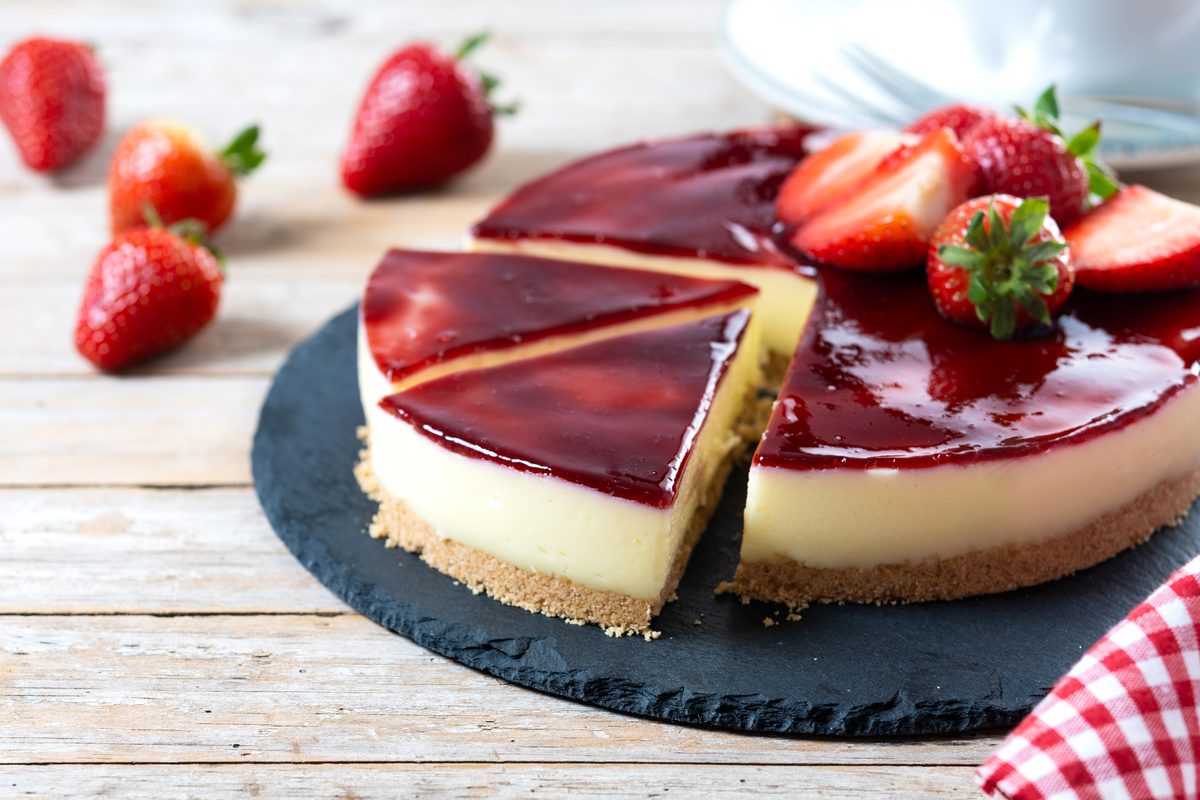
| Fresh fruit: strawberries, raspberries, blueberries | 🟢 if washed carefully | toxoplasmosis: raw fruit must be washed; in a restaurant, prefer the coulis |
| Caramel, speculoos, chocolate | 🟢 allowed | no particular risk, but extra sugar |
| Shop-bought whipped cream from a can or tub | 🟢 allowed | pasteurised cream; keep it cold |
| Mousseline cream or mousse made with raw eggs | 🔴 avoid | raw eggs |
| Alcohol-based glaze, fruit macerated in alcohol | 🔴 avoid | no alcohol during pregnancy |
With gestational diabetes, cheesecake remains an occasional dessert: 100 g of shop-bought cheesecake provide 337 kcal and 21 g of sugars according to Ciqual. A small slice, at the end of a meal rather than as an isolated snack, is the usually advised way to enjoy it; follow the instructions of the team looking after you.
Useful nutrients during pregnancy
Cheesecake is not a health food, but its cheeses provide protein and calcium. Fromage blanc and ricotta are good sources of calcium: 314 mg per 100 g of ricotta according to Ciqual. To meet calcium needs during pregnancy, plain dairy products remain the best option: see our ranking of foods high in calcium.
Other desserts allowed in pregnancy
- Crème brûlée: the cream and yolks are baked in the oven.
- Flan pâtissier: eggs and milk, cooked.
- Light rice pudding: cooked, no raw egg.
- Apple compote: cooked fruit, ideal.
- Apple crumble: baked in the oven.
- Panna cotta: milk and cream brought to the boil with agar-agar, no egg; eat within 3 days.
Conversely, homemade chocolate mousse and homemade tiramisu, prepared with raw eggs, are to be avoided.
And while breastfeeding?
While breastfeeding, the precautions against listeriosis and toxoplasmosis no longer apply in the same way: cheesecake, baked or not, becomes a dessert like any other. Only alcohol still needs watching. See our guide to eating while breastfeeding.
Frequently asked questions
Can you eat cheesecake while pregnant?
Yes, if it is baked and made with pasteurised cheeses, which is the case for industrial cheesecakes and homemade recipes using shop-bought cream cheese, fromage blanc or ricotta.
Is Philadelphia allowed during pregnancy?
Yes: it is a fresh cheese made from pasteurised milk.
Is no-bake cheesecake dangerous in pregnancy?
It all depends on the recipe: without raw egg, with pasteurised cheeses and gelatine, it is acceptable if eaten within 3 days. With raw eggs, it should be avoided.
Is mascarpone allowed in pregnancy?
Shop-bought mascarpone is pasteurised. The risk comes from the raw eggs in homemade tiramisu, not from the mascarpone itself.
Can you eat cheesecake in a restaurant while pregnant?
Yes if it is baked: this is the case for New York cheesecake. For a « no bake » cheesecake, ask whether it contains raw eggs.
Is Basque cheesecake allowed in pregnancy?
Its deliberately runny centre means eggs that are not completely cooked in the middle. During pregnancy, choose it well set through, or go for a New York cheesecake.
Do shop-bought cheesecakes contain alcohol?
None of the 28 cheesecakes surveyed on Open Food Facts contained any, unlike most shop-bought tiramisus.
Is a cheesecake with fresh strawberries allowed in pregnancy?
Yes, if the strawberries have been carefully washed, because of toxoplasmosis. In a restaurant, prefer a cooked coulis.
How much sugar is in a slice of cheesecake?
About 21 g per 100 g according to Ciqual, and around 26 g on average across the products surveyed: keep it for special occasions.
Is vegan cheesecake allowed in pregnancy?
It is best avoided if it is made with a cheese substitute based on a plant-based drink: Santé publique France does not recommend these products during pregnancy, because of the risk of Listeria.
Can you freeze cheesecake while pregnant?
Yes, but freezing does not destroy Listeria. Defrost it in the fridge and eat it soon after.
Which cheese should you choose for a lighter cheesecake?
Fromage blanc: 76 kcal per 100 g in the 2 to 3% version, against 225 kcal for a classic spreadable fresh cheese, according to Ciqual. Ricotta provides the most calcium.
Can you eat it while pregnant? The series
Food by food, what is allowed, allowed with conditions or to be avoided during pregnancy: foie gras in pregnancy, feta in pregnancy, mozzarella in pregnancy, raclette in pregnancy, surimi in pregnancy, charcuterie in pregnancy, smoked salmon in pregnancy, tiramisu in pregnancy, chorizo in pregnancy, taramasalata in pregnancy, honey in pregnancy, camembert and brie in pregnancy, prawns in pregnancy, soft-boiled egg in pregnancy, sushi in pregnancy, cured ham in pregnancy, hummus in pregnancy, tinned tuna in pregnancy.
Our sources
- Manger Bouger (Santé publique France), « Quels aliments éviter et quelles précautions prendre quand on est enceinte ? », updated 2026.
- Santé publique France, listeriosis surveillance data; Institut Pasteur, listeriosis factsheet.
- Ameli, « Les aliments à éviter et les précautions d’hygiène pendant la grossesse ».
- Ciqual 2025 table (Anses): pre-packaged cheesecake, ricotta, mascarpone, fresh cheeses.
- WHO, guideline on sugars intake, 2015.
- Open Food Facts, ingredient lists of 28 cheesecakes sold in France, survey of 25 September 2026.
- Ciqual 2025 table (Anses): pre-packaged cheesecake.
- Santé publique France, guide « De la grossesse à l’arrivée de bébé » (Manger Bouger, ref. DT05-535-26B): cheese substitutes made from plant-based drinks not recommended; freezing does not eliminate Listeria.
- Anses, biological hazard factsheet: Listeria monocytogenes, updated April 2020: fridge at +4 °C at most, leftovers kept for less than 3 days, products sold by the cut to be eaten as soon as possible.
- Ciqual 2025 table (Anses): mascarpone, spreadable fresh cheeses, ricotta, petit-suisse, fromage blanc, speculoos.