Famille d'aliments · Dairy
Les dairy, calcium et plaisir au quotidien.
Milk, yoghurts, cheese, fromage blanc, butter… Dairy products are a major source of calcium, protein and vitamin B12. The PNNS recommends 2 to 3 portions a day for adults. But with intolerances, controversies over fat and a huge choice on the shelves, how do you find your way? Here are the keys to choosing well.
Foods in the group
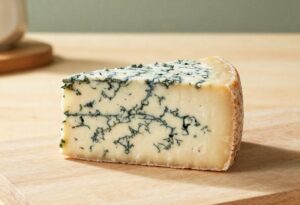
Gorgonzola

Gouda

Grana Padano

Greek yoghurt

Gruyère

Hard-boiled egg

Isigny cream

Kefir

Langres

Livarot

Low-fat fruit yoghurt

Low-fat fruit-on-the-bottom yoghurt

Low-fat plain yoghurt

Mare’s milk

Mascarpone

Mont d’Or

Morbier

Mozzarella

Munster

Neufchâtel

Parmesan

Pecorino

Pélardon

Petit-suisse
What dairy products give you
Beyond calcium, of which they are the most practical and best-absorbed source, dairy products concentrate several valuable nutrients: complete protein, vitamin B12, phosphorus, vitamins A and D (in fortified or non-skimmed versions), and probiotics in yoghurts and fermented milks.
They contribute to bone health, proper muscle function and the balance of the gut microbiome, provided you choose them well.
Milk, yoghurt, cheese: what to choose?
Milk
Semi-skimmed remains the benchmark for most adults: it keeps some of the fat-soluble vitamins while limiting saturated fat. Whole milk keeps more vitamins A and D, but provides more calories. Skimmed can suit low-calorie diets but loses its fat-soluble vitamins.
Yoghurts and fermented milks
Rich in probiotics that benefit the microbiome, and better tolerated by people sensitive to lactose (the bacteria have already consumed some of it). Choose plain yoghurts over flavoured versions, which are often loaded with sugar. Kefir and skyr are excellent modern options.
Cheese
Very concentrated in calcium and protein… but also in salt and saturated fat. A reasonable portion is 30 to 40 g a day. Vary your cheeses: hard cheeses (Comté, Parmesan) for calcium, fresh cheeses (faisselle, fresh goat’s cheese) for lightness, soft cheeses (Camembert, Brie) for the occasional treat.
Fromage blanc and skyr
The champions for athletes and dieters: very high in protein (10 g/100 g for fromage blanc, 13 g/100 g for skyr), low in fat, and filling. Ideal for post-workout snacks or high-protein breakfasts.
Lactose intolerance and alternatives
A large part of the French population tolerates lactose poorly in adulthood. If you feel bloated or uncomfortable after eating dairy, favour fermented milks and mature cheeses (almost lactose-free) over liquid milk. Plant-based drinks (almond, soya, oat) are alternatives, but they do not contain equivalent amounts of calcium or protein, unless they are fortified. Read the labels.
Not to be confused with gluten intolerance, which is completely different but which many people mistake for lactose intolerance.
Should you fear dairy products?
Several recent books have demonised them. The science is more nuanced: for most healthy adults, moderate consumption (2 portions a day) is beneficial. The controversies mainly concern highly processed, sweetened or reduced-fat dairy products, and excessive consumption. Be wary of extreme claims in either direction.
Which ones to choose
- Daily: plain yoghurt, fromage blanc, skyr, semi-skimmed milk
- In moderate portions: a variety of cheeses (30 to 40 g/day), butter (10 to 15 g/day)
- To limit: dessert creams, mousses, flavoured yoghurts, ultra-processed industrial cheeses (comparable to sugary foods)
- To avoid: heavily sweetened flavoured children’s « milks », industrial milk drinks
Going further
Dairy products fit in anywhere during the day: yoghurt at breakfast with fruit, fromage blanc as a post-workout snack, cheese at the end of a meal. The key is to balance them with the rest of your diet and to favour quality over quantity.
Guides to read

Vitamin D: role, deficiency and supplements

Bone health: preventing osteoporosis through diet

Gluten-free eating: a guide to flours and alternatives

Boosting your immunity through diet

Keto and low-carb diet: principles and foods

Low FODMAP Diet: Easing Irritable Bowel Syndrome

The food pyramid: a tool for a balanced diet
