Famille d'aliments · Vegetables
Les vegetables, la base d'une assiette équilibrée.
Vegetables are the foundation of a balanced diet, and for good reason: they provide vitamins, minerals, fibre and antioxidants for very few calories. The PNNS (the French national nutrition and health programme) recommends at least 5 portions of fruit and vegetables a day, and the majority should come from vegetables. Fresh, frozen, tinned, raw or cooked: each form has its advantages. What matters is to vary the colours and the seasons to enjoy the full range of nutrients.
Foods in the group

Kimchi
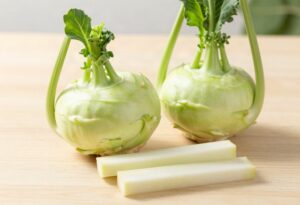
Kohlrabi

Kombu seaweed
Lamb’s lettuce

Leek

Lettuce (green salad)

Little Gem lettuce
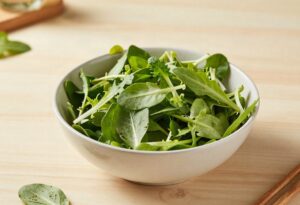
Mixed salad leaves (mesclun)
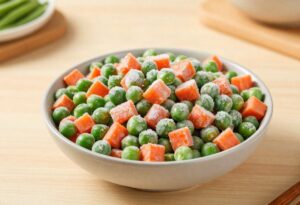
Mixed vegetables (frozen)

Mixed vegetables (tinned)

Molokhia (jute leaves)

Moringa

Muscat squash

Mushrooms

Nori seaweed

Okra

Onion

Oriental radish (daikon)

Pak choi

Parsnip

Patty pan squash

Pepper
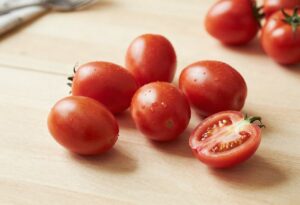
Plum tomato

Pumpkin
Why vegetables are essential every day
It is hard to find a single nutritionist who does not put vegetables at the heart of their recommendations. They combine exceptional nutritional density with a very low calorie content: exactly what you look for in a balanced diet, whether you want to maintain your weight, prevent chronic disease or simply have more energy.
In practical terms, vegetables give you:
- Fibre, which regulates digestion, feeds your gut microbiome and slows the absorption of sugars
- Essential vitamins, notably vitamin C, B vitamins and provitamin A (beta-carotene)
- Minerals such as potassium, magnesium, iron and calcium
- Antioxidants (polyphenols, flavonoids, lycopene…) that protect your cells from ageing
- Water, in large quantities, which contributes to your daily hydration
The health benefits of a diet rich in vegetables
Preventing chronic disease
Many studies agree: a high intake of vegetables is associated with a significantly lower risk of cardiovascular disease, type 2 diabetes and certain cancers. Fibre and antioxidants play a key role in this protective effect. The Cretan diet, of which vegetables are one of the pillars, is the most closely studied illustration.
Weight management
At an average of 20 to 50 kcal per 100 g, vegetables fill you up without weighing down your calorie balance. They are your best allies if you want to lose weight or simply avoid gaining it, without having to count every mouthful.
Digestive health
The fibre in vegetables, both soluble and insoluble, supports regular digestion and feeds the good bacteria in your gut. A varied microbiome means a stronger immune system and even a more stable mood.
How to eat them well
Raw or cooked, it is up to you. Raw, they keep all their vitamin C and some heat-sensitive antioxidants. Cooked, they release other compounds such as lycopene (tomato) or beta-carotene (carrot), which are better absorbed after cooking. Best of all: vary the two.
As for preparation, favour gentle cooking: steaming, boiling, braising in their own juices or stir-frying. Avoid long cooking in boiling water, which destroys some of the vitamins. Deep-frying adds a lot of fat and removes the nutritional benefit.
And do not forget: plain frozen vegetables are an excellent option. Picked ripe and frozen quickly, they often retain more nutrients than fresh vegetables that have travelled for several days.
What to choose
The ideal is to vary the colours: each pigment corresponds to different compounds. Aim for a rainbow over the week rather than always eating the same 3 or 4 vegetables.
- Dark greens (spinach, broccoli, kale): folate, plant-based iron, vitamin K
- Orange and yellow (carrot, pumpkin, yellow pepper): beta-carotene, antioxidants
- Reds (tomato, beetroot, red pepper): lycopene, anthocyanins
- Purples (aubergine, red cabbage): powerful polyphenols
- Whites (cauliflower, turnip, onion): protective sulphur compounds
Also think seasonal and local: a seasonal vegetable is picked ripe, so it is richer in nutrients and tastier. It is also kinder to the environment.
Pitfalls to avoid
Not all vegetables are equal in every form. Beware of ultra-processed products hiding behind a « vegetable » label: instant purées in sachets with additives, very salty tinned vegetables, or ready meals made with vegetables but loaded with salt, sugar and fat. Read the labels: a good tinned vegetable contains only the vegetable, water and perhaps a little salt.
Finally, if you can, choose organic for thin-skinned vegetables (peppers, courgettes, tomatoes, salad leaves) that are eaten with their skin. For vegetables that are always peeled (carrots, potatoes, onions), organic matters less.
Going further
Vegetables alone are not enough to make a complete plate. For optimal nutritional balance, complete them with fruit (the 5 portions a day include both), lean protein (fish, poultry or pulses) and wholegrain cereals. It is the combination that makes the difference.
Guides to read

Superfoods: the marketing term and its key foods

Bone health: preventing osteoporosis through diet

Liver Health: Friendly Foods and the Truth About Detox

Boosting your immunity through diet

Keto and low-carb diet: principles and foods

Low FODMAP Diet: Easing Irritable Bowel Syndrome

DASH Diet: Lower Your Blood Pressure Through Food
